Securities transaction tax on futures contracts will be raised from 0.02 percent to 0.05 percent, Union Finance Minister Nirmala Sitharaman said in her budget speech.
The increase in STT is expected to increase transaction costs for active and short-term trading strategies (PTIs).”Both STT on option premium and exercise of options are proposed to be increased to 0.15 per cent from the current rates of 0.1 per cent and 0.125 per cent respectively,” the finance minister said on Sunday.
Suggested increase Securities Transaction Tax On Derivatives (STT), active and short-term trading strategies are expected to increase transaction costs to check excessive speculation in the Futures and Options (F&O) segment, reported news agency PTI.
What is Securities Transaction Tax (STT)?STT is a tax levied on the value of recognized securities stock exchanges in India. Government taxes apply to market transactions, therefore increasing costs for direct traders, especially those who trade frequently and in large volumes.
Also Read | Union Budget 2026: Nirmala Sitharaman’s speech key figures to be taken into account
More Read

The tax is applicable to shares, equity mutual funds, futures and options and is collected at the time of transaction irrespective of investor profit or loss.
An STT option hike means that the government has increased the securities transaction tax on options trading, thereby increasing the cost of buying or selling options in the stock market. This increase affects option traders, especially frequent and short-term traders, by reducing their net profit per trade.
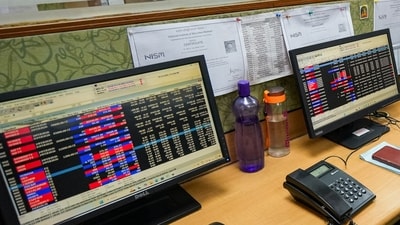
After increase in securities transaction tax on derivatives Union Budgetmarkets contracted, with the Nifty 50 down 1.94 percent at 24,832.1, and the BSE Sensex down 1.8 percent at 80,834.11 as of 12:35 pm.
More Read

While this increase may help curb short-term speculation and increase tax revenue, it will also reduce net profits for active futures traders.