The World Bank, the International Monetary Fund, and the International Energy Agency announced the formation of a coordination group aimed at “maximizing” the response to energy crises and economic shocks resulting from the West Asian war, especially in emerging countries.

The bank said in a statement on Thursday that the effects of the war are “significant” and affect energy importers and low-income countries more. The multi-agency group will provide recommendations to countries on measures to mitigate shocks, the statement said.
The statement added that the group will coordinate a response mechanism that “may include targeted policy advice, assessment of potential financing needs and related provision of financial support (including through concessional financing), and use of risk mitigation tools as appropriate.”
“that it [the impacts] This has already been transmitted through higher oil, gas and fertilizer prices, and raises concerns about food prices as well. Volatile markets, weak currencies in emerging economies, and concerns about the inflation outlook “increase the likelihood of tighter monetary stances and weaker growth.”
Analysts say that India, a net importer of oil and gas, is one of the Asian countries most vulnerable to the effects of the war. “The near-term outlook remains uncertain as rising input costs and supply constraints pose downside risks to the economic expansion,” the EU Finance Ministry said in its monthly economic review for March.
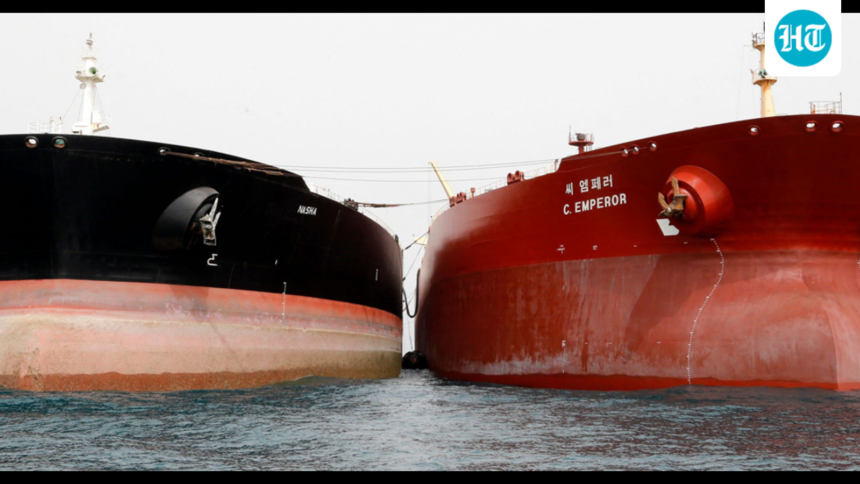
India imports nearly 90% of its crude oil, half of its liquefied natural gas needs, and two-thirds of its liquefied petroleum gas needs, most of which comes from West Asia through the Strait of Hormuz, where Iran’s crackdown on traffic has choked global supplies since the conflict began on February 28.
The price of benchmark Brent crude jumped 6.6% to nearly $108 a barrel on Thursday, as inflationary pressures spread across economies, especially India. Asia’s third-largest economy has raised prices of domestic cooking gas, commercial LPG and ATF.