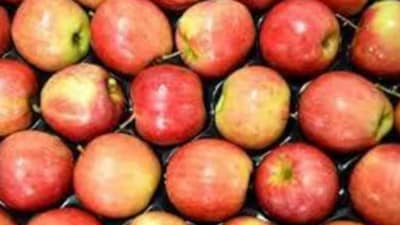
In the first week of February, Rati Ram Chauhan, an apple grower from Himachal Pradesh, was trying to sell his cold storage produce from October 2025 in the wholesale fruit market in Chandigarh. After four days of negotiations, he could not find a buyer willing to pay a reasonable price for his apples.
New Zealand will provide an “action plan” for apple growers.Chauhan, and other growers like him, say news of impending free trade deals with New Zealand and the United States has confused the pitch — buyers weren’t willing to pay even the price he was getting for his produce in October.
“I had no option but to repackage the product and transport it to Bihar. I don’t know if I will now recover the cost of cold storage, repacking and transport. It is a huge loss,” he said.
To be sure, cheap apples with low tariffs from New Zealand and the US are yet to reach the Indian market.
According to the agreement with New Zealand announced on December 22, 2025, an import duty of 25% will be imposed on the quota of apples imported between April 1 and August 31, against the prevailing rate of 50%.
More Read

New Zealand will provide an “action plan” for apple growers and open centers of excellence to improve plant quality. The agreement will be implemented after New Zealand’s approval and announcement of new tariffs by the Indian government.
New Delhi and Washington on January 7, 2026 issued a joint statement on the framework of the new trade agreement, which provides “zero tariffs on animal feed, tree nuts, fresh and processed fruits, soybean oil, wine and spirits, among other products.”
Commerce Minister Piyush Goyal says India imposes quota-based 25% import duty to protect domestic apple growers ₹80 per kg. The previous tariff was 50% with a minimum import value ₹50 per kilogram. There is no specific time frame as to when the agreement will be implemented.
More Read

But the initial announcement of the trade deal came at a time when apple growers in Himachal, Jammu and Kashmir and Uttarakhand started selling their stored apple products. Anticipation of imported apples hitting the market has already started to affect prices.
Farmers claim that the price being paid is 30-40% lower than the normal market rate at this time of the year.
The wholesale apple market operates on various dynamics, such as crop production in the apple-producing states of Himachal Pradesh, Jammu and Kashmir and Uttarakhand, demand for the crop and weather conditions during the harvesting season.
According to apple traders, the outlook for the 2026 apple season will depend on the estimated crop, fruit quality and size and whether more imported apples will reach the harvest season between August and November.
They added that the market price would also depend on the concessional import duty quotas granted to the US and New Zealand. India imports around 600,000 tonnes of apples every year and traders say any increase in imports will have an impact on prices.