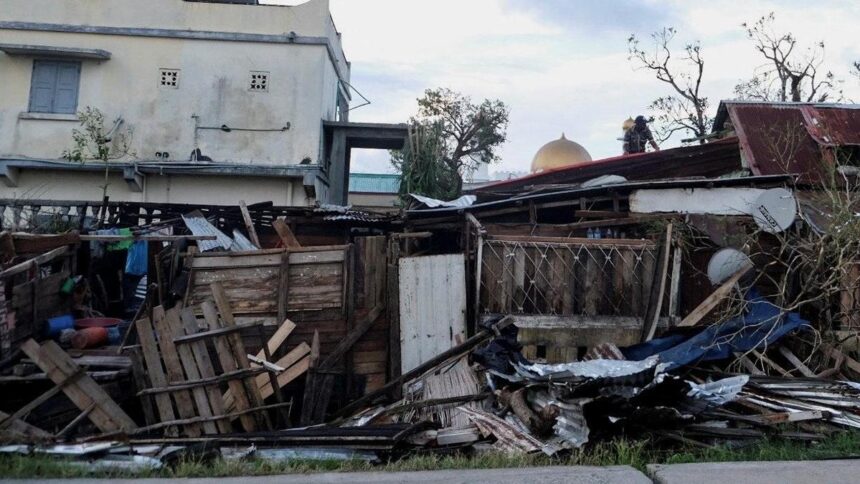

A general view shows damage after Cyclone Gezani tore through the port city of Tomasina, Madagascar, on February 11, 2026 | Image Credit: Reuters
At least 31 people were killed as Tropical Storm Gejani toppled houses in Madagascar’s main port city and crossed the Indian Ocean island with high winds and rain, officials said on Wednesday (Feb 11, 2026).
Madagascar’s meteorological service issued red alerts for several areas, warning of possible floods and landslides after the storm made landfall late Tuesday night with wind speeds of more than 195 kph (121 mph). It then roared across the large island of 31 million people, many of whom live in poverty and have inadequate shelter from the storms.
Madagascar is particularly vulnerable to storms in the Indian Ocean and was battered by another deadly storm two weeks ago.
The National Office for Risk and Disaster Management said a building collapse caused at least 31 deaths, and at least 36 people were seriously injured when a landslide hit the eastern city of Tomasina in Gezani. Four people are missing and more than 6,000 people have been displaced from their homes, the agency said.
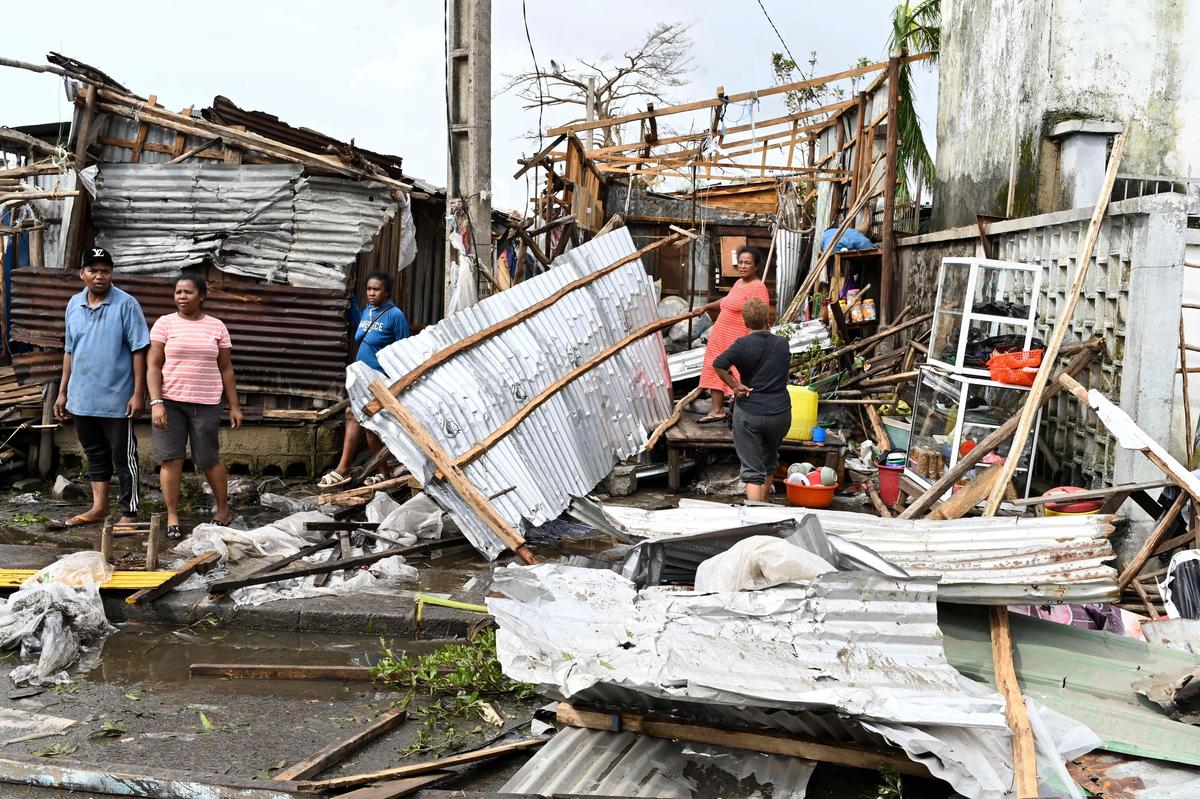
People survey the damage caused by Cyclone Gezina in Tomasina, Madagascar on February 11, 2026 | Image Credit: AP
Tomasina, home to about 300,000 residents, suffered severe damage, residents said Associated Press. Officials said most of the deaths were in the area.
President Michel Randrianirina, who took over in a military coup in October, visited Tomasina to survey the damage and meet with residents, according to videos posted on his office’s Facebook page. Videos show flooded neighborhoods, homes and shops with windows blown out and roofs blown off, and trees and other debris strewn across the streets.
Randrianirina’s office said about 75% of the city’s infrastructure was damaged or destroyed.
“It’s devastation. Roofs blown off, walls down, power poles down, trees down. It looks like a disaster landscape,” resident Michael, who gave only his first name, said by phone.
Since Tuesday (February 10), there has been a power cut in Tomasina.
Gejani moved west across Madagascar on Wednesday (Feb. 11), weakening as the tropical storm moved inland, according to the National Weather Service. The storm passed 100 kilometers (62 miles) north of the capital, Antananarivo, one of the areas under a red alert for possible flooding.
Forecasts showed Gezani was expected to move into the channel between Madagascar and the east coast of Africa on Thursday and warned that it could strengthen again into a tropical storm and turn towards Madagascar’s southwest coast next week.
Officials in Mozambique, where devastating floods last month affected more than 700,000 people, also issued weather warnings and warned that its three coastal provinces on the Indian Ocean could feel the effects if Gezani strengthened again.
Tropical Cyclone Faitia hit Madagascar on January 31, killing 14 people and displacing more than 85,000, the disaster management agency said.
The United Nations has released USD 3 million from its emergency response fund to help Madagascar prepare for the effects of Gezani, spokesman Stephane Dujarric said on Monday.
Cyclones in Madagascar last from November to March and bring repeated weather disasters to one of the world’s poorest countries, which does not have time to recover before another hits.
Madagascar, the world’s fourth largest island, has been affected by more than a dozen tropical storms or hurricanes since 2020. The United Nations Office for Disaster Risk Reduction says that damage to infrastructure worth an estimated $85 million each year hinders a nation’s development.
Published – February 12, 2026 at 08:22 am IST