Skip to main content
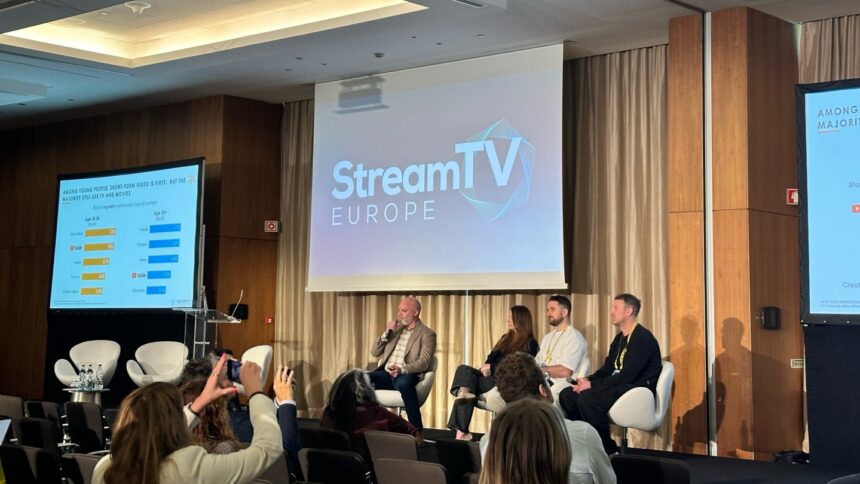
In a panel discussion titled “Creators vs. Hollywood” at StreamTV Europe in Lisbon, the Vice President of Content and Creatives at BBC Studios shared the kind of changes traditionally minded media companies need in the digital age.

“Five or six years ago, we might still have seen [YouTube] As a “marketing platform”, for example, as a place to release a trailer. Helen O’Donnell, vice president of content and creatives at BBC Studios, minced no words during a panel discussion on the final day of the inaugural StreamTV Europe event in Lisbon, Portugal.
Things have changed since then. “It really creates a front door to some of our offerings,” she shared about the Google-owned online video giant. O’Donnell explained in a panel discussion titled “Creators vs. Hollywood: How Can Mainstream Media Thrive in a Creator-Driven World?” “This means we have formed a truly integrated digital brand offering where we have channels that show not only clips but also original content to audiences depending on the platform it is being done on.”
Overall, YouTube and BBC Studios are happy to collaborate. “We’re less concerned about where our fans sit, as long as it’s a front door and a window to some of our great stars.” [content]“, concluded the executive.
In January, the BBC and YouTube unveiled a landmark deal under which the UK public broadcaster will produce original content for the online video powerhouse, which has disrupted traditional television and increasingly positioned itself as a partner to TV networks.
O’Donnell highlighted in Lisbon on Wednesday how the collaboration with YouTube requires traditional players in the sector to change the way they think and approach business.
“We are a qualitatively structured organisation, so we will have discussions about whether[[History of the chicken shop “Creator]Amelia Demoldenberg should talk to our factual entertainment team or our entertainment team,” she told the StreamTV Europe audience. “And this is a problem of our own making, not a problem of theirs. They’re great and they go out and make great content for the fans. That’s why we’re now looking at the structure of the fandom, using our own brands and content to reach the fandom, rather than thinking about it in the structure of the genre.”
THR Newsletters
Sign up to get THR news straight to your inbox every day
Subscribe subscription