The Chainsmokers are headlining the first-ever “bridge show” between the two upcoming Final Four games of the NCAA men’s national basketball tournament, a move that reflects the growing presence of music programs at the world’s biggest sporting events.
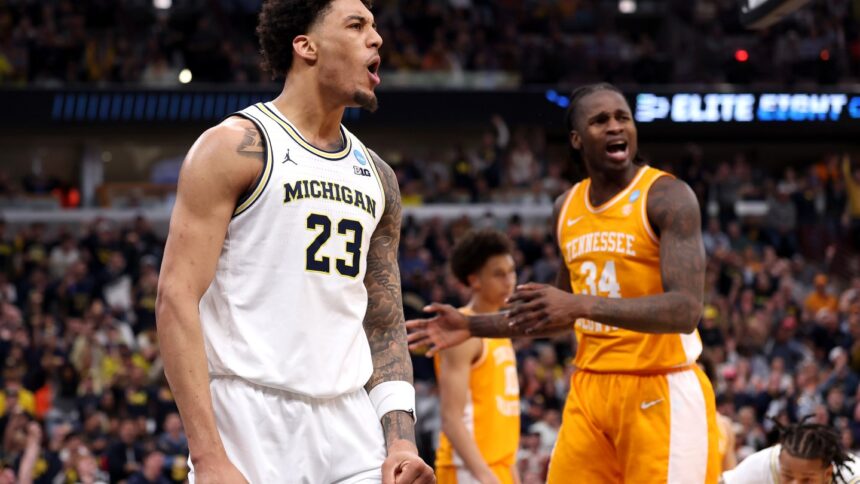
The Bridge Show will air on TBS and was first revealed during Elite Eight broadcasts over the weekend, with TNT hoping the performance will please more casual fans and add more flair to the kind of programming limbo between the two semifinal games scheduled to take place at Lucas Oil Stadium in Indianapolis on Saturday.
The Chainsmokers show isn’t the only music program to feature this year. There’s also TNT Sports’ annual March Madness festival, which dates back more than a decade. Despite this, this year’s lineup is among the strongest yet curated, with Post Malone, Twenty One Pilots and Zac Brown Band listed as frontrunners, while Megan Morrone, Raven Linney, Russell Dickerson and Dominic Fike are all on the bill as well.
CAA is the Chainsmokers’ agency as well as all three major festival acts at the festival this year. The agency did not provide a specific figure but said the upcoming weekend now represents “eight figures” in deals, with Dave Osenberg, a music sponsorship agent at CAA, calling it “a very profitable weekend for the music department.”
“It’s an event our customers are asking us to do now,” Osenberg says of his lineup with March Madness. “When the festival was first conceived, it was a great complement to a basketball weekend, but it’s growing a lot. March Madness is growing very quickly. It was set before the NFL started, before the NBA playoffs, before baseball was in full swing. There’s a broad audience of fans. People want entertainment, and they want to spend the weekend at an event like this. “There’s a big captive audience, you have a minimum hotel stay of four nights. What are those things? What are you supposed to do?
The three-day festival itself is free and is supported by corporate sponsorship. CAA works closely with TNT Sports, as well as with Solomon Group for March Madness music programming. In a statement, Craig Barry, executive vice president and chief content officer of TNT Sports US, described their joint effort as “a true convergence of sports, music and culture.”
“By bringing artists into the fabric of the tournament – not just as actors, but as creative partners – we are creating a cross-platform experience that resonates far beyond the games themselves,” Barry said.
Solomon Group’s Andre Pleasance also added: “The festival is an event that Final Four and music fans look forward to every year. By working creatively with CAA to line up the artists and with TNT Sports to integrate into broadcasts during Final Four weekend, TNT Sports and Solomon Group are producing a music experience that matches the energy of the games, turning the entire weekend into an experience you can’t find anywhere else.”
Music has become a more prominent vehicle for extra programming for major sporting events across the country. The Super Bowl Halftime Show has grown even larger in importance and footprint in recent years. Bad Bunny attracted 128.2 million viewers to its February run, more than the game itself, and Kendrick Lamar had 133.5 million viewers the year before.
Now FIFA is significantly increasing its music presence as well. The first-ever World Cup semifinal show will take place when the world’s most-watched sports tournament comes to the U.S. later this summer, and Coldplay is helping select the talent for the halftime show. Coldplay, along with Doja Cat, J Balvin and TMS, also played the FIFA Club World Cup halftime show last year.
Even outside of these large televised events, Live Nation has put a stake in the ground to capitalize on the influx of baseball fans heading to Arizona for spring training, having held the Innings Festival in Tempe, Arizona, since 2018. For musicians, playing these sporting events puts them in front of broader audiences that may come outside their core fan base. And in the case of March Madness, where the regional music festival scene has shrunk somewhat since Covid while larger festivals have become more dominant, it offers more multi-day music to audiences outside of those markets as well.
“These events attract a lot of fans in the different cities they are hosted in,” Osenberg says. “Including music is good for ratings and good for cities. It’s also good attraction for artists, everyone is there from die-hards to casual fans.”