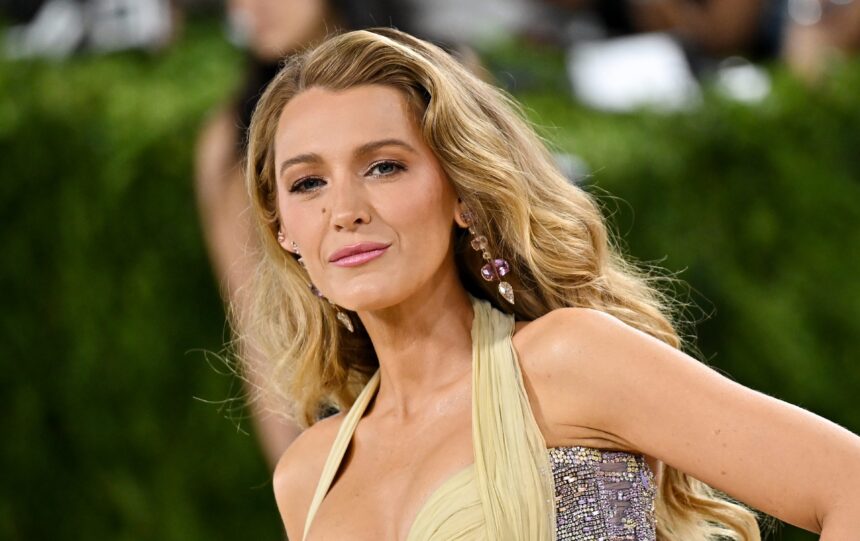

Blake Lively He went on a press trip. Entertainment reporter Kirsty does not She came out feeling like she couldn’t breathe. And then she sat on the story for years because she was afraid.
“I knew if I reacted, I would never get opportunities like this again,” Fla said. Page six this week. I froze. I smiled. She kept her job.
The Internet immediately wanted a villain. Toxic celebrities. Weak journalist. Pick a side, air your opinion, and move on.
I want to say something different. What happened in the hotel suite is the same thing I watch happen on my couch in San Francisco every week between two people who love each other and can’t for the life of them figure out why one of them remains silent.
The body knows before the brain knows
No decision was made to freeze. Her nervous system decided for her.
We are interconnected beings, from cradle to grave in need of connection, status, and belonging. When any of these three feels threatened by someone with more power, the body takes over. The thinking mind goes offline. The survival mind chooses the strategy. He fights. Flight. Freeze. appease.
Appeasement is not. She kept her face neutral because protesting in that room would mean exile from her career. The satisficer thinks, Maybe I deserved it anyway, I’m no good, don’t worry, it’s okay. This is not weakness. This is a brilliant biological strategy that works at the speed of instinct.
I see this constantly with the couples I work with. Founders, CEOs, high achievers. One powerful partner in the world. The other is walking on eggshells at home, terrified that the wrong sentence will end the marriage. They sit on my couch describing their wives as an unstoppable force that they must appease.
They have become so immersed in managing another person’s mood that they can no longer feel like themselves. They swallow their truth, session after session, because they believe the cost of speaking up is complete abandonment.
This is the freeze you are describing. It happened around the clock.
The goldfish bowl cuts in both directions
This is where I lose half my internet. Blake also makes sense.
Public figures live inside a goldfish bowl. Every move is monitored, judged, screenshotted, archived, and fed to an algorithm that rewards anger and deprives you of nuance. When your nervous system expects shame every time you open your mouth in public, you stop sending your true self into the room. You send in a polished actor whose sole job is to control the narrative.
The tragedy is that the precise armor a celebrity uses to survive this exposure falls on the person across the table as cold, dismissive, and punitive. Both nervous systems protect themselves. Both people miss the other’s humanity. This is the episode.
If you’re reading this and recognize the dynamic from your own relationship, where one of you acts hard and the other stays silent, you can take the Empathy Relationship Quiz and see what protection strategy is running the show.
Because the Internet wants you to diagnose Blake. I’m more interested in what runs you.
I will say the thing that loses me followers: there are no villains here. Your truth makes sense, their truth makes sense, your panic makes sense, and their shutting down makes sense. Two facts, one episode, no villains. People always misinterpret these strict and protective adaptations as character flaws. They are survival strategies. When someone looks at you and is angry with you, they are often very sad, longing to be taken care of, and too afraid to say so.
Mango on the sofa
So, what do you actually do with this if you’re the one freezing? Or the person whose partner keeps freezing around you?
You have to stop litigating the argument. You will not find a cognitive solution to the limbic problem. High achievers try to fix the breakup with logic and strategy, but it never works. I tell therapists in training, you can describe mango to a client all day long, the color, the texture, the origin, but that’s not the same thing as tasting a mango.
The partner who freezes is excellent at analyzing why he freezes. They are terrified to say out loud, I feel small, I feel panicky, I feel sad. This sentence is mango.
If you’re the person with the most power in the room, your job is harder than it seems. You have to allow yourself to just be a hurt person who doesn’t feel loved or understood, rather than the polished actor who takes control of every interaction. This is where I see the same pattern as in the science behind dismissive avoidant shutdown, where the shield goes on so quickly that the person wearing it doesn’t even notice that it has landed on someone else like a slap.
And if you are the one who appeases? You have to learn that it is possible to get hurt and share the pain without breaking down. You can say I’m affected, something moves inside me, something hurts, and the world doesn’t end. This is the rep you have to build. It’s the same skill that allows people to survive modern situations as ambiguous as the science behind the situation without losing themselves inside someone else’s mood.
What does Flaa’s story really tell us?
The reason Flaa’s interview went viral isn’t Blake. It’s freezing.
Millions of people have read this quote and felt their jaws clench, remembering their boss, their mother-in-law, their partner, the moment they smiled when they wanted to scream. The story of the other never leads to growth. But the story of your nervous system, which has been keeping you safe since you were a child, that’s where the door is.
You are not weak to freeze. You are not armor toxic. You are someone who has taught his body how to survive in a room. Work teaches him that not every room is that room anymore.
_______________________________________________________
Figs O’Sullivan, LMFT, and his wife, Till, are San Francisco-based couples therapists, relationship experts at Stars and Silicon Valley, and founders of Empathi, who built the platform Figlet, an AI-powered relationship coach trained in their clinical work.