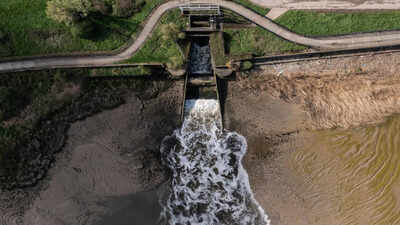
Government casts new doubts over Thames Water bailout deal / Image – File
Thames Water, Britain’s largest water supplier, has taken a significant step closer to government control after ministers formally raised concerns over a proposed £10bn rescue package aimed at keeping the struggling utility afloat.The UK government’s intervention has raised new doubts about the company’s future. The company serves around 16 million customers across London and the south of England, and is saddled with nearly £20 billion of debt. If regulators reject the bailout proposal, Thames Water could enter a special administration regime (SAR), a temporary form of nationalization.
The UK objected to the £10 billion bailout
The latest development came after Environment Minister Emma Reynolds wrote to water regulator Ofwat expressing concerns about the creditor-led rescue package.Reynolds reportedly warned that the proposal could place an “undue burden” on customers and questioned whether it provided sufficient protection for consumers and the environment. It also described aspects of the plan as weak, especially in light of what the ministers consider to be years of mismanagement in the company.The proposed rescue package was brought forward by a consortium of Thames Water’s major creditors, including investment firms such as Elliott Management, Invesco, Silver Point Capital and Apollo Global Management.
It is currently the only major rescue proposal on the table after previous attempts to secure foreign investment collapsed.Government concerns do not automatically kill the deal, but they increase the chances that regulators will reject the proposal or significantly modify it before approving it.
What’s in the rescue package?
The creditor-backed proposal is one of the largest corporate bailouts ever attempted in the UK water sector.Within the framework of the plan:
- Creditors will inject about 3.35 billion pounds in new shares.
- Thames Water will receive up to £6.55 billion of new debt financing.
- Investors have pledged around £20bn of long-term investment in infrastructure.
- Existing debts will be partially written off, helping to ease the company’s huge financial burden.
- Dividend payments will be restricted for years to come.
- Creditors will take control of the company by restructuring debt in exchange for equity.
Supporters say the package offers the best chance of keeping Thames Water in private ownership while providing funds to modernize infrastructure and improve environmental performance.However, critics point to the significant restructuring costs associated with the deal. Financial disclosures show Thames Water could face nearly £749 million in fees, interest and restructuring-related payments as part of the takeover, although creditors insist these costs will not be funded directly through customer bills.
Thames water collapse
The crisis has been years in the making.Thames Water has become a symbol of the wider problems facing England’s privatized water industry. The company has racked up a debt pile approaching £20bn while facing mounting criticism over sewage leaks, pollution incidents, aging infrastructure and failing services.Public frustration has intensified amid repeated reports of sewage being discharged into rivers and waterways, while regulators have imposed increasingly large penalties on water companies for environmental violations.The company’s financial situation deteriorated further after the collapse of the rescue plan planned by the American private equity giant KKR. KKR was chosen as the preferred bidder for Thames Water but withdrew from the process, forcing the company to return to its creditors for a solution. Withdrawal greatly increased the possibilities for state intervention.For more than two years, ministers have been preparing contingency plans in the event that Thames Water is unable to continue operating under private ownership.
What it means for taxpayers
If Offwat ultimately rejects the bailout proposal, Thames Water could enter the government’s special management system.Under this process, the facility will continue to operate and customers will continue to receive water and sewer services as usual. The main purpose of SAR is to ensure the continuation of essential public services while developing a long-term solution.However, such a move would shift a huge responsibility to the state.
Analysts have warned that placing Thames Water under government control could place part of its financial burden on the public sector and potentially affect investor confidence in UK infrastructure projects.Meanwhile, proponents of public ownership say nationalization could provide an opportunity to reset the company, improve environmental standards, and focus investment on infrastructure rather than shareholder returns.
The idea has gained increasing political support, with figures including Greater Manchester Mayor Andy Burnham publicly calling for water companies to return to public ownership.
Looking forward
Thames Water’s fate now rests largely with Offwat and other regulators.The oversight body must complete its assessment of the rescue package, conduct consultations and determine whether the proposal adequately protects customers, investors and the environment.
Court approval will also be required before any restructuring can be implemented.Time has become a crucial factor. Thames Water has warned it will need new funding within months to maintain financial stability, making a decision on a bailout increasingly urgent.For now, the government continues to state that it prefers a market-led solution. However, with ministers publicly questioning the only major rescue proposal available, the prospect of Thames Water entering temporary public ownership appears more realistic than at any time since the crisis began.