

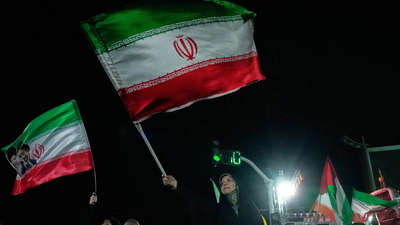
 Iranian official media reported that Washington conveyed its response to the Iranian proposal via Pakistan and that Tehran is now reviewing it. There was no immediate confirmation from Washington or Islamabad regarding the American response.Iranian Foreign Ministry spokesman Ismail Baghaei was quoted by state media as saying: “At this stage, we do not have nuclear negotiations,” in a clear reference to Iran’s proposal to set aside talks on nuclear issues until after the end of the war.
Officials say Iran’s 14-point proposal calls for the United States to lift sanctions, end the naval blockade of Iranian ports, withdraw forces from the region and cease all hostilities, including Israeli operations in Lebanon.
Earlier, US President Donald Trump said he was reviewing the proposal but doubted it could lead to an agreement, adding on social media, “They (Iran) have not yet paid a big enough price for what they have done to humanity and the world over the past 47 years” since the Islamic Revolution there.
Meanwhile, a cargo ship near the Strait of Hormuz was attacked by several small boats.
Iran proposes to end the war within 30 days
The latest Iranian proposal to the United States called for resolving issues between the two countries within 30 days and aims to end the war rather than extend the ceasefire, according to Iranian state-linked media. President Donald Trump said Saturday he was reviewing the proposal but expressed doubt it would lead to an agreement, adding on social media that they “have not yet paid a big enough price for what they have done to humanity and the world over the last 47 years.”Iran said on Sunday that it had received a US response to its offer of peace talks. Iranian official media reported that Washington had conveyed its response to the 14-point Iranian proposal via Pakistan, and that Tehran was now reviewing it. There was no immediate confirmation from Washington or Islamabad regarding the American response.Iranian Foreign Ministry spokesman Ismail Baghaei was quoted by state media as saying: “At this stage, we do not have nuclear negotiations,” in a clear reference to Iran’s proposal to leave talks on nuclear issues aside until after the war ends and the parties agree to lift the opposing blockade on shipping in the Gulf.Trump said on Saturday that he had not yet reviewed the exact wording of the Iran peace proposal, but that he would likely reject it.The United States and Israel suspended their air campaign against Iran four weeks ago, and American and Iranian officials held one round of talks. But attempts to hold other meetings have so far failed.Iran submitted its latest proposal on Thursday, and a senior Iranian official confirmed on Saturday that Tehran envisions ending the war and resolving the shipping crisis first, while leaving talks on Iran’s nuclear program for later.Although Trump initially said on Friday that he was not satisfied with the proposal, he said on Saturday that he was still considering it. “They told me the concept of the deal. They will give me the exact wording now,” he told reporters. When asked if it was possible to resume strikes on Iran, the US President replied: “I don’t want to say that. I mean, I can’t say that to a reporter. If they misbehave, if they do something bad, we’ll see now.”
But it could happen.”The proposal to postpone talks on nuclear issues until a later stage appears to conflict with Washington’s repeated demand that Iran accept strict restrictions on its nuclear program before the war ends.Washington wants Tehran to give up its stockpile of more than 400 kilograms of highly enriched uranium, which the United States says can be used to make a bomb. Iran says its nuclear program is peaceful, although it is willing to discuss some restrictions in exchange for the lifting of sanctions, as it accepted in the 2015 agreement from which Trump withdrew.Iranian media said the 14-point proposal includes withdrawing US forces from neighboring regions, lifting the blockade, releasing frozen assets, paying compensation, lifting sanctions, ending the war on all fronts including Lebanon, and establishing a new control mechanism over the Strait of Hormuz.