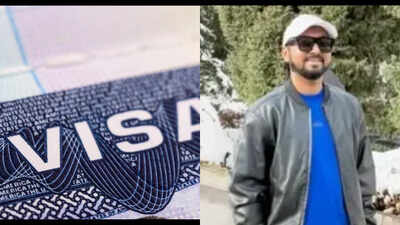
The Indian founder shares his experience of being rejected for a US visa.
Indian businessman Swapnil Srivastav, co-founder of a children’s clothing brand made from bamboo, shared his experience of obtaining a visa to the US for tourism purposes, but was rejected due to his inadequate ties with India.
“I have built a Series A company from scratch, employing over 100 people, getting backing from major investors and investors, and serving millions of Indian families through our brand. These are clearly not enough relationships,” Srivastav said.While he said he would apply for the visa again because founders are used to hearing “no,” this is not a rare occurrence. Recently, many Indian entrepreneurs faced US visa rejection due to the same issue.“I have a company to run here in India, and I have been giving it almost 24 hours a day for the past five years.
Moreover, I have my parents and family, with whom I love spending time. Trust me, I have a lot of reasons to come back home!” Swapnil explained his connections, adding that he draws a salary from his company and has evidence of sufficient funds.
Why are Indian founders denied their visa to the US?
These Indian founders run companies in the country, paying their employees’ salaries, but visa officials believe this can be done from the US as well. Therefore, there is no guarantee that an entrepreneur who goes to the United States on a B1/B2 visa will not change his mind and then try to settle in the United States.
Founders who are married with children in India are thought to have stronger connections to India than single founders with parents living in India.When Swapnil sought suggestions, someone advised him that he could book a ticket to attend an event in the US and tell the visa officer that he would attend the event. “This eliminates a number of questions and makes the process seamless. Because it ensures that once the event is over, you will return to your home country,” the user suggested.