

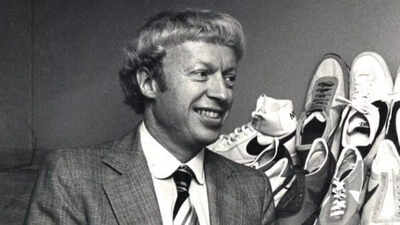
Phil and Penny Knight’s $2 billion donation to Ohio University’s Knight Cancer Institute exemplifies transformative philanthropy, going beyond spontaneous “bollocks.”
Philanthropy, especially the one we see on a large scale, is often seen as a slam dunk where a wealthy philanthropist throws an incredible amount of money at a problem somewhere far away, out of the blue.
Of course, this is noticeable, we are amazed by the group, and life returns to normal. However, heritage-changing philanthropy doesn’t always work that way. What happens when a philanthropist focuses on one area for ten years?In August 2025, OHSU surprised the world by setting a new standard in American philanthropy. Phil and Penny Knight donated $2 billion to the Knight Cancer Institute. This was the largest donation ever made to a US university or academic medical center.
The numbers make for an impressive story, but the heart of the story is about the strategy behind them.This was certainly not a spontaneous act of generosity from the Nike co-founder. Finally, this became another step in the long process that has been contemplated over the past several years. The Knights’ dedication to the organization they chose for this mission made them more than just “check writers.” Instead, they have become involved in a noble cause of revolutionizing the way we approach diagnosis and provide health care.
This is because such long-term dedication inspires trust, which government funding can never provide.The strength behind a decade of challengesIn order to understand the meaning behind such a huge donation, one needs to delve into what is now referred to as the “Culture of Challenge,” which the Ohio University Knights created in 2013. Their challenge was to donate $500 million, but only after they had managed to raise the same amount of money in 24 months.
Thus, a massive mobilization campaign began, with a thousand people raising a total of $1 billion.This is evident from the article titled The Lasting Legacy of the Knight Cancer Challenge: Celebrating a Decade of Cancer Research, Care and Prevention, This particular challenge has become a milestone in terms of organizational capabilities. The institute has proven its ability to implement large-scale initiatives without compromising any of the promises it made regarding early cancer detection.
In other words, the donation was received by an organization that has been successful for ten years and has all the necessary infrastructure. Rather than planting a seed in virgin land, the donation was directed toward a mature organization ready to turn investments into outcomes for patients.
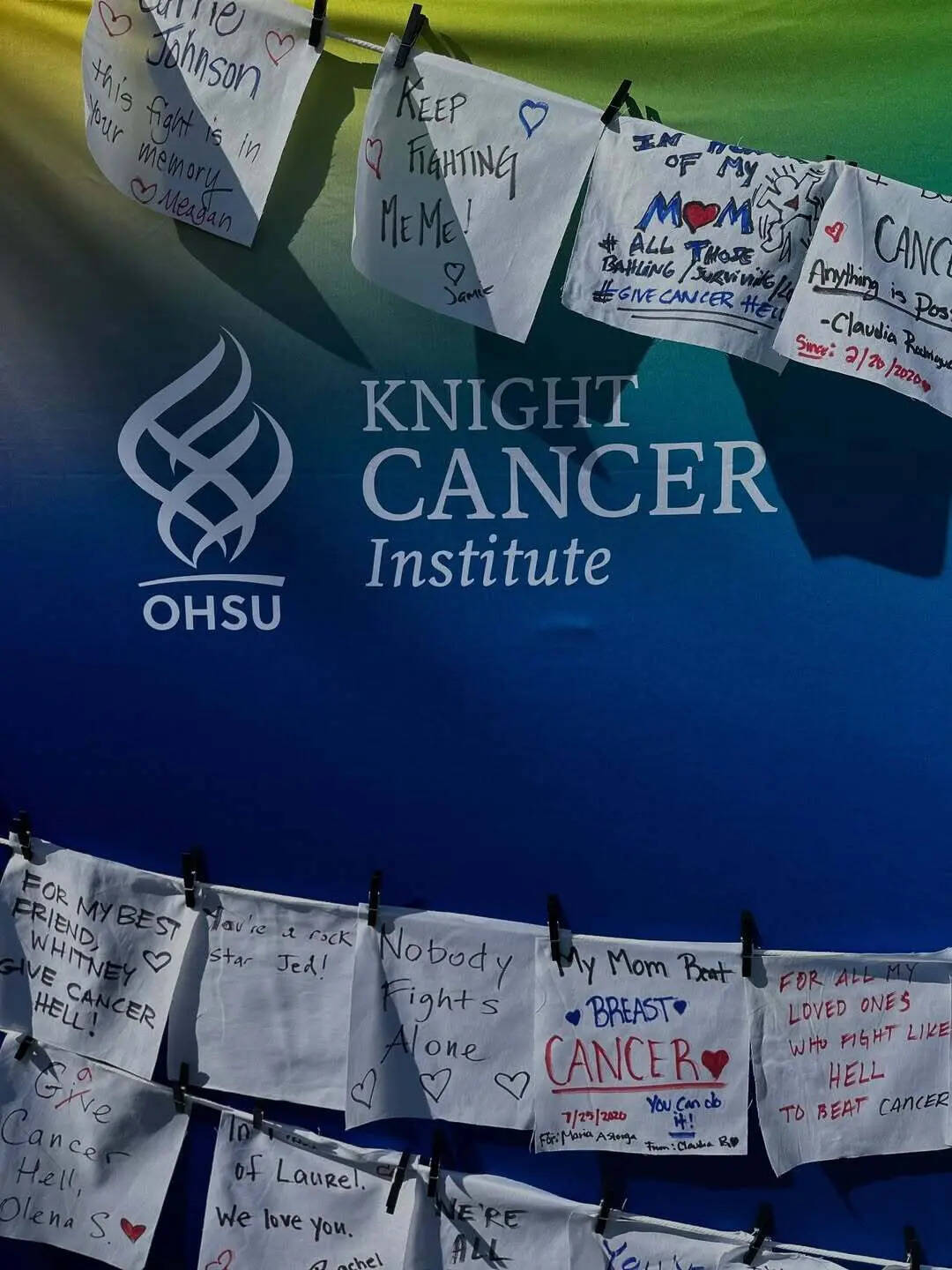
This significant gift, the largest to a U.S. academic medical center, is the culmination of a decade-long strategic commitment, demonstrating how sustained dedication and proven organizational capacity can revolutionize health care delivery and patient outcomes. Image credits: Instagram/@OHSU Knight Cancer Institute
A machine, not a monumentThe historical background described above is essential to understanding the essence of philanthropy. You don’t donate anything, you gain.
Knights did not invest in marketing, but in decades of work, data and achievements. As a result, the Institute is able to ensure high-quality services and efficient management, allowing the existing system to be expanded rather than investing in an idea that has not yet been proven.Rather than focusing on the concept of aspirations, this partnership focuses on the patient’s lived experience. Instead of being used to support long-term endowment funds, which is often the case with traditional medical gifts, these funds will seek to make changes through architecture immediately.
This gives the hospital the ability to think boldly and become more than just a place that treats illness.Ultimately, the Knight Foundation’s legacy at OHSU is a testament to the importance of having roots in one’s location. Having firmly planted themselves in their home state of Oregon, they prove the value of committing to intermittent philanthropy any day. A commitment that lasts long enough to realize the dream creates more than just an improved hospital; It creates a legacy of life itself.