

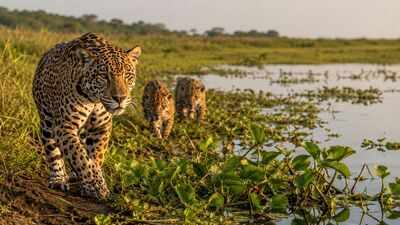
For most of the 20th century, jaguars disappeared from large parts of Argentina’s landscape. Hunting pressure and ongoing habitat loss have pushed the country’s top predator out of places where it once played a major role in the ecosystem.
In the Ibera wetlands of northeastern Argentina, this absence lasted about 70 years. A conservation project has now succeeded in bringing the species back to the area, marking the first time tigers have been reintroduced to an area where they have completely disappeared. The return is part of the broader rewilding movement that aims to restore animals, habitats and ecological processes altered by human activity.
The return of the Argentine jaguar begins with a pioneering rewilding project
According to the United Nations Environment Programme, the comeback began in January 2021, when an adult female jaguar named Marioa and her two cubs were released into Gran Ibera Park in Argentina’s Corrientes province.
Marioa was rescued as an orphan in Brazil before being raised in a protected environment. Its cubs were born in captivity as part of efforts to rebuild the species’ population.The protected area reportedly covers 687,966 hectares and provides suitable conditions for jaguars, including large numbers of wild prey. Conservationists hope that releasing the Marioa and other carefully selected animals will create a self-sustaining jaguar population in a region where the species has disappeared.
There are currently only an estimated 200 jaguars remaining in Argentina, with most of the surviving populations in isolated areas. The loss of contact between these groups has created concerns about genetic diversity and long-term survival.The IBERA project is a big step because it is not just about protecting existing animals.
Jaguars play a key role in restoring healthy ecosystems and wildlife networks
Rewilding focuses on allowing damaged ecosystems to recover by bringing back species that have been removed through human activity.
The idea goes beyond just saving individual animals. Large predators affect how entire landscapes function.Jaguars help maintain a balance between prey species by controlling animal numbers. Their presence can affect vegetation patterns, water regimes, and the broader relationship between different species living in the same environment.“Carefully reintroducing predators like tigers can help restore ecosystems.
“Without these species, biodiversity suffers and the services nature provides – from disease mitigation and soil protection to water system regulation – can collapse,” says Doreen Robinson, Chief of the Wildlife Section at the United Nations Environment Program (UNEP).In Iberia, the return of jaguars is taking place alongside efforts to recover other native species. Giant river otters, peccaries and parrots are among the animals being reintroduced or protected as part of a broader attempt to rebuild the wetland’s ecological network.
Reconstructing landscapes shaped by human activity
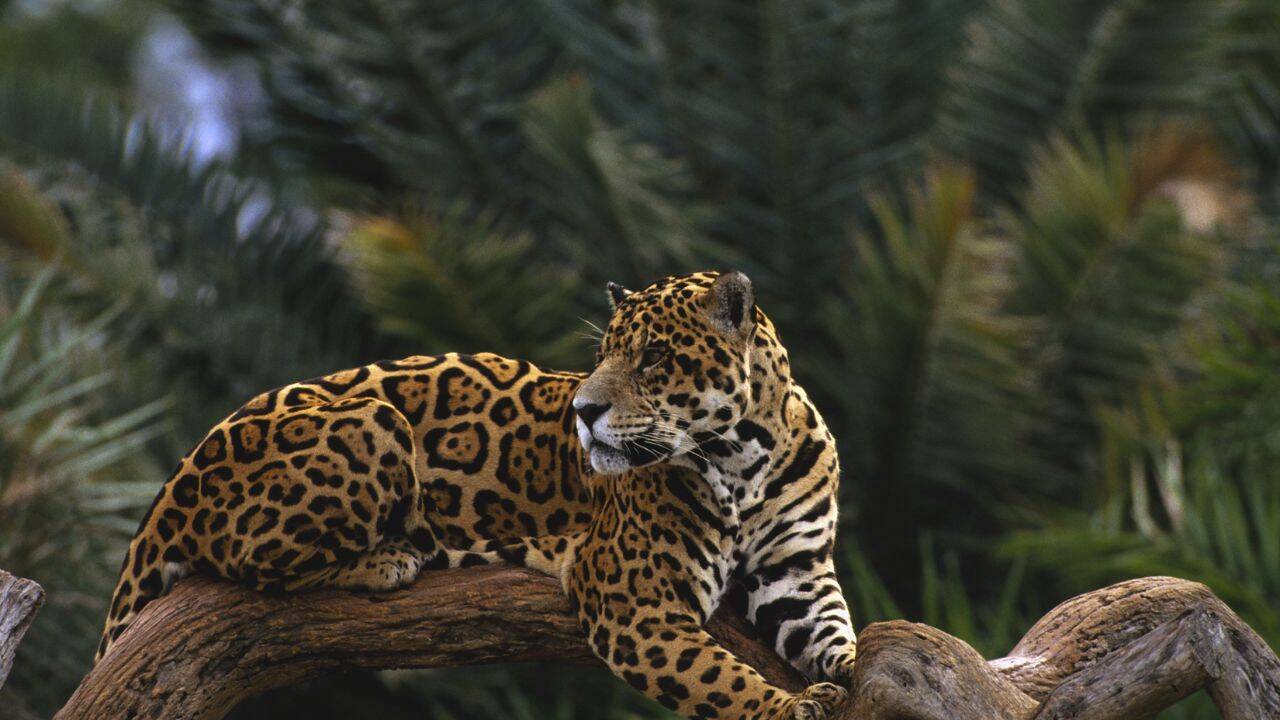
Ibera wetlands have been affected by decades of hunting, ranching, and changes in land use. Over time, these activities have changed habitats that previously supported a wide range of wildlife.Conservation groups working in the region believe that restoring lost species could help reverse some of these changes. Jaguars are at the top of the food chain, which means their recovery could affect many parts of the ecosystem below them.The return of predators and other important wildlife is helping wetlands recover from years of pressure caused by human activity, said Sebastian Di Martino, conservation director for Rewilding Argentina.The project is led by Rewilding Argentina in partnership with Tompkins Conservation and with support from national and regional authorities. It forms part of broader global efforts to restore ecosystems damaged by biodiversity loss.
Protection of culturally important species
The jaguar is more than just a symbol of South American wildlife. For the Guarani people of northeastern Argentina, the animal holds deep cultural meaning and represents strength and identity.Across their historical range, jaguars have lost more than half their habitat. Populations have become separated from each other, making it difficult for animals to find mates and maintain healthy genetic diversity.This species is classified as globally vulnerable, and conservation programs have focused on protecting remaining habitat while reducing threats such as poaching and wildlife trafficking.Through initiatives including UNEP’s Wildlife Campaign, organizations work with governments and local communities to raise awareness about the threats facing endangered species.
A broader international effort to save tigers
Protecting tigers has become a cross-border conservation effort. In 2018, several international organizations and Jaguar countries launched the 2030 Jaguar Conservation Roadmap in the Americas.The plan brought together countries where tigers still live, creating a framework for transnational cooperation. The initiative focuses on protecting habitats, improving connections between populations, and addressing threats to species.Groups, including the United Nations Development Programme, the World Wildlife Fund, the Wildlife Conservation Society and Panthera, have supported efforts to promote jaguar conservation across the continent.The jaguar was also recognized as a priority species by the International Union for Conservation of Nature during the 2020 World Conservation Congress. Its inclusion in the Convention on the Conservation of Migratory Species of Wild Animals further highlights the need for international action.
The next stage of the Jaguars’ comeback
The release of Marioa and her cubs is only the beginning of the Ibera restoration programme. More tigers are expected to join the population as conservationists continue carefully planned releases.The long-term goal is not only to increase jaguar numbers, but also to allow the species to function naturally again within the wetland ecosystem.The return of a predator that has been absent for generations shows how conservation efforts are shifting from simply protecting what remains to rebuilding what was lost. In the Ibera wetlands of Argentina, a landscape that was missing one of its most important animals is beginning to regain part of its original wildlife community.