

5 everyday things parents can use to protect their children from the evil eye
Parents have long held the belief that certain practices can shield their children from negative influences, often referred to as the “evil eye.” A common sight is a black thread tied around a child’s ankle, waist, or wrist, which many parents believe serves as a protective charm. This tradition stems from the idea that excessive praise, jealousy, or intense gazes can adversely impact a child’s well-being, mood, and overall comfort. Regardless of whether one interprets these beliefs as cultural, emotional, or energetic, the underlying sentiment remains: families seek simple and gentle ways to safeguard their children. These protective measures are not meant to be alarming or dramatic; rather, they are small, everyday items that children can wear comfortably. Below are five commonly used items that parents incorporate into their daily routines to protect their children from the evil eye, along with guidance on their thoughtful and intentional use.

The Protective Tradition of Black Thread
In many cultures, a simple black thread tied around a child’s ankle, waist, or wrist is more than just a decorative accessory; it is a symbol of protection steeped in tradition. This practice is rooted in the belief that the color black has the power to absorb negative energy, preventing it from affecting the child. The underlying sentiment is clear: “Let any heavy energy stop here, and not reach my baby.”
Black thread is commonly seen on:
– Newborns and young children
– Children who frequently fall ill
– Children embarking on new experiences, such as starting school, participating in theater performances, or taking exams
Families often prefer to have the thread tied by a respected elder or at a place of worship, ensuring that it carries a genuine blessing for the child. When using this protective charm, it is important to keep it:
– Soft and comfortable, ensuring it is not too tight
– Clean and dry to maintain its integrity
– Replaced gently when it shows signs of wear or age
As part of this ritual, parents may also choose to recite a personal prayer while binding the thread, such as: “May my child be safe, happy, and protected.” This practice reflects a deep-rooted desire among families to safeguard their children from negative influences in a simple yet meaningful way.

Pendant
A small pendant featuring a deity is a widely embraced method for parents seeking to ensure their child’s protection. These pendants need not be elaborate; even a simple, lightweight design suffices. The emphasis lies more on the faith it represents rather than its material or aesthetic appeal.
Families often select specific deities based on their attributes:
– Hanuman, symbolizing strength, courage, and protection
– Ganesha, known for removing obstacles in education and new beginnings
– Krishna, representing love, joy, and playfulness
For children, it is advisable to keep the chain light and comfortably fitted around the neck. Parents can convey its significance in straightforward terms:
“This is your special pendant. It stays with you and keeps you safe.”
It is essential to instill a sense of respect for the pendant—avoid discarding it or placing it on the floor. If removed for bathing or sleeping, it should be stored in a clean and secure location.

Kajal (kohl) point
The application of a small dot of kajal, often placed behind the ear, under the foot, or on the side of the forehead, is a traditional practice known as ‘nazar pattu’ among children. This custom is rooted in the belief that if a child appears too perfect, introducing a minor imperfection can divert excessive attention and protect them from negative influences.That little black dot of kajal behind the ear, under the foot, or on the side of the forehead is the classic ‘nazar pattu’ for kids. The logic is nice and clever: if a child seems too perfect, you add a little “flaw” so that the intense interest is distracted and doesn’t hit him completely.
This practice is commonly observed among older generations, particularly during significant events such as stage performances, family gatherings, school photo days, and other special occasions.
When using kajal, it is essential to adhere to the following guidelines:
- Ensure the product is clean, safe for the skin, sourced from a reputable brand, or prepared at home using safe methods.
- Apply it as a small dot rather than a large smear near the eyes.
- If any irritation occurs on the child’s skin, it should be removed gently.
The primary intention behind this practice is to provide protection without causing discomfort. If the child expresses dislike or has a negative reaction, it is perfectly acceptable to forgo this tradition.

Evil eye jewelry or amulets
For children, these protective charms can be quite simple:
– A soft bracelet featuring an evil eye bead
– A small amulet securely fastened inside a bag or jacket
– A small amulet tied near a cradle or study desk
Parents often choose to use these charms on special occasions when their child is likely to receive a lot of attention, such as birthdays, anniversaries, competitions, dance performances, or starting a new school. If a charm unexpectedly breaks or goes missing, many view this as a sign that it has fulfilled its purpose and replace it quietly.
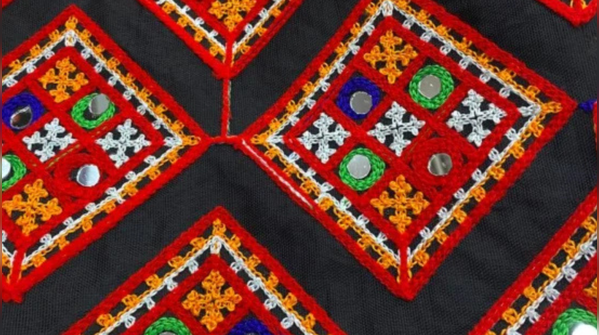
Reflective or shiny elements
For parents looking to incorporate these protective features into their children’s attire, options can be straightforward and accessible:
– A small mirror-like patch on a scarf, dress, or kurta
– A glittery hair clip or hair tie
– A small metal bracelet, anklet, or locket that catches the light
Before attending significant events, parents can set a positive intention, mentally affirming: “I hope anything heavy or negative bounces back. Only good wishes and love reach my child.” This practice serves as a gentle reminder that parents wish to shield their children from the jealousy or pressure that may arise from others.
These simple yet meaningful additions to children’s clothing not only enhance their appearance but also provide a sense of security for parents, reinforcing the age-old belief in the protective power of reflective surfaces.