

Why is everyone talking about fibremaxxing?
Chris, By email
TikTok trends rarely go hand-in-hand with sage health advice, but that doesn’t mean increasing our fiber — an often forgotten part of our diets — is a bad idea. “Fiber needs a moment, so that’s a good thing,” the nutritionist says. Priya Teo. Indigestible carbohydrates have two main functions: “There’s insoluble fiber, which is found in things like whole grains or brown rice or vegetable peels, and I think of it like a broom,” Teo says, “in that it cleans out the system.” Then there’s soluble fiber (oats, beans, lentils), which she likens to a sponge: “It turns into this gel in your gut, helps with digestion and keeps us regular.” But that’s only part of the story, because fiber can also help lower cholesterol and stabilize blood sugar.
So, are you getting enough? “The goal is to eat 25-30 grams of fiber a day, but in reality most of us probably get 15-18 grams,” says Teo, so we still have a long way to go. However, some people on the #fibremaxxing train have set their sights higher, which is where things can get problematic. “If you’re eating too much fiber, you may end up feeling bloated, constipated, or have abdominal pain,” she says. This can happen when you increase your fiber intake too quickly: “The body needs time to get used to what’s happening.”
As with most things in life, it’s much better to take things one step (or one meal) at a time. “Consider adding a little fiber to your breakfast, lunch and dinner,” Teo advises, whether it’s sprinkling chia seeds or flaxseeds on your porridge, adding some fruit (“bananas, for example, or berries, which have a lot of fibre”), plus that ever-important spoonful of nut butter.
The same sprinkling strategy also applies to soup, and you can boost the fiber content even further by adding some lentils (“instead of carrots and cilantro, try carrots and lentils”) and serve with whole grain or rye bread. “Carrots and hummus are our gold standard for a good snack, as are apples [keep the skin on, mind] Paired with almond butter.” Fortunately, popcorn also falls on the list of snacks with “good fiber content,” as do roasted chickpeas, which you can (quite literally) season with smoked paprika, ground cumin, and coriander, plus a pinch of cayenne pepper.
Come to Dinner, Niall Kirkland, author A good bite is easy: high protein, high fiber, delicious mealsit’s all about one creamy bean and lentil spread: “Sauté onions and garlic, add a little miso, add some butter beans, lentils, broth, and blended silken tofu.” [which also adds a hit of protein]”And simmer until thickened.” Garnish with soft cheese and chili oil, then scoop with toasted sourdough: “You’ll be in heaven.”
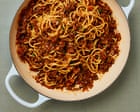
Teo also uses legumes, stir-frying lentils into chicken curries and pasta sauces, or adding beans to chili—just be sure to serve the latter with basmati or brown rice, because they “have better fiber content,” she says. “Think: Where can I add that trick bit of fiber without overdoing it? Otherwise, it’ll end up feeling like garbage.” This is definitely something that should be minimized.
Got a cooking dilemma? Email feast@theguardian.com




![root-vegetable-hash-with-avocado-cream-[vegetarian]-–-one-green-planet](https://globalindiabroadcastnews.com/wp-content/uploads/2026/02/19793-root-vegetable-hash-with-avocado-cream-vegetarian-one-green-planet-300x200.jpg "root-vegetable-hash-with-avocado-cream-vegetarian--one-green-planet | GIBN")