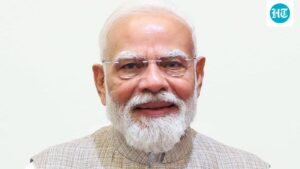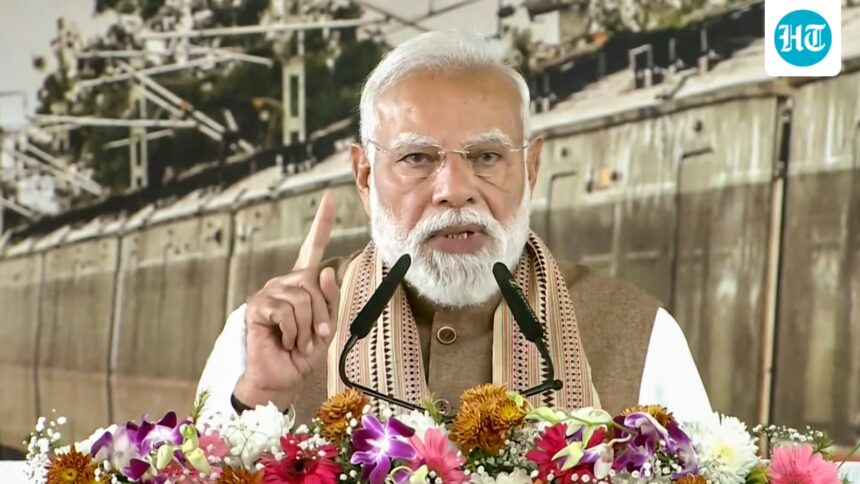
Prime Minister Narendra Modi on Saturday congratulated the people and government of Nepal on the successful holding of elections in the Himalayan country and said that this historic event marks a proud moment in Nepal’s democratic journey.

Read also | Nepal’s first female prime minister, Sushila Karke, heads back to the polls after the Gen Z revolution: from discord to discord, and beyond
Modi also said that India, as a close friend and neighbour, remains steadfast in its commitment to work closely with the people of Nepal and its new government to rise to new heights of common peace, progress and prosperity. “I warmly congratulate the people and government of Nepal on the successful and peaceful conduct of the elections. It is encouraging to see my Nepali sisters and brothers vigorously exercising their democratic rights. This historic milestone is a proud moment in Nepal’s democratic journey,” Modi said in a post on X.
Read also | Rapper, politician and Gen Z favorite: Who is Balin Shah, the front-runner for the position of Prime Minister of Nepal?
The rapper-turned-politician’s Rastriya Swatantra Party (RSP) on Saturday cruised to a landslide victory in Nepal’s first general election since last year’s violent Generation Z protests, shattering the dominance of established political parties.
The RSP, formed by Rabi Lamichhane in 2022, has won 39 of the 50 seats declared so far, including a clean sweep in the 10 constituencies in Kathmandu district, and is leading in 80 others, according to the Election Commission of Nepal.
The RSP, which had projected Balindra Shah as its chief ministerial candidate and campaigned for its first election in Madhesh’s Janakpur, is heading for a clean sweep of the district.
Read also | Nepal Elections 2026: Why are there two types of polls in Nepal and what is the mixed electoral system?
Thursday’s high-stakes election came six months after bloody protests that toppled the Oli-led government, left at least 77 people dead.
Youth-led demonstrations in September 2025, under a loose Gen Z banner, began with a brief social media ban, but quickly tapped into broader grievances over corruption and the faltering economy.