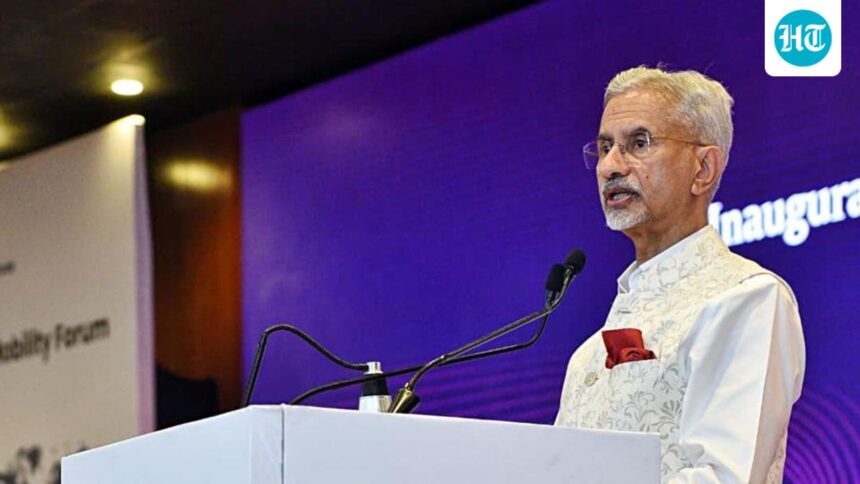
India must prepare its workforce to meet global needs in emerging sectors affected by artificial intelligence and automation and traditional fields such as healthcare, and authorities must work with industry to anticipate future requirements, External Affairs Minister S Jaishankar said on Tuesday.

Jaishankar made the remarks at the launch of the HR Mobility Forum, a two-day event aimed at highlighting legal pathways to immigration and facilitating communication between foreign employers and Indians seeking jobs abroad. Denmark, Germany, Italy, Japan and Russia are the countries this event focuses on.
Jaishankar said advances in artificial intelligence and automation would transform labor markets, leading to significant changes in some occupations and the emergence of entirely new categories of jobs, while a green economy would create demand for new skills. Demands will continue in traditional areas, as healthcare services and care delivery become important in countries with aging populations.
“These developments require that governments, industry, educational institutions and international organizations work together much more closely than they have done before. We must develop mechanisms that anticipate future workforce requirements,” he said.
Jaishankar said steps should be taken for continuous learning and adaptation of skills, as well as increased recognition of qualifications and competencies across countries, and workers must be “prepared not only for today’s opportunities, but also for tomorrow’s demands.”
He said human resources have become a critical factor for economic development, and access to skilled and adaptable talent is essential to sustain growth and foster innovation. He said talent mobility is not just about the movement of people, but also about connecting workers to demand and creating pathways through which individuals can contribute to economic growth and social well-being.
India has already concluded 28 migration and mobility partnership agreements with 26 countries to ensure safe and legal migration, and more are currently being negotiated. “The collective responsibility of states is equally important to combat illegal migration, exploitative practices, fraudulent intermediaries and human trafficking,” Jaishankar said.
He stressed the use of digital tools to manage migration, and said that more than five million immigration permits have been issued since the establishment of the eMigrate platform.
Jaishankar said the HR Mobility Forum is an important platform as it brings together policy makers, industry leaders and employers and creates opportunities to learn from experiences and explore new approaches towards mobility.
Human resource mobility has emerged as a hallmark of an interconnected world by linking talent with opportunities and addressing workforce challenges, said Sripriya Ranganathan, Secretary who heads the Consulate, Passports and Visas Section of the Ministry of External Affairs.
She said that India is a reliable partner in meeting the global demand for talent. “As many countries face demographic shifts and skills shortages, we see an opportunity to build demand-driven mobility partnerships that benefit workers, employers and economies alike,” Ranganathan said.