Indian and Pakistani strategists, parliamentarians and former diplomats have participated in at least four back-channel meetings since the dispute between the two sides in May 2025, with the first such engagement taking place two months later. Operation Sindoor, people familiar with the matter said.

While two of the engagements were Track 1.5 meetings, which included a mix of current and retired officials, and were facilitated by the London-based International Institute for Strategic Studies (IISS), the other two were Track 2 meetings, the people said on condition of anonymity.
The Doha meeting is the latest in the series
The last participation was the second track meeting held in the Qatari capital The sources said that the meeting was held in Doha last February, and was facilitated by a UK-based research institution. Indian officials did not respond to a request for comment on this development.
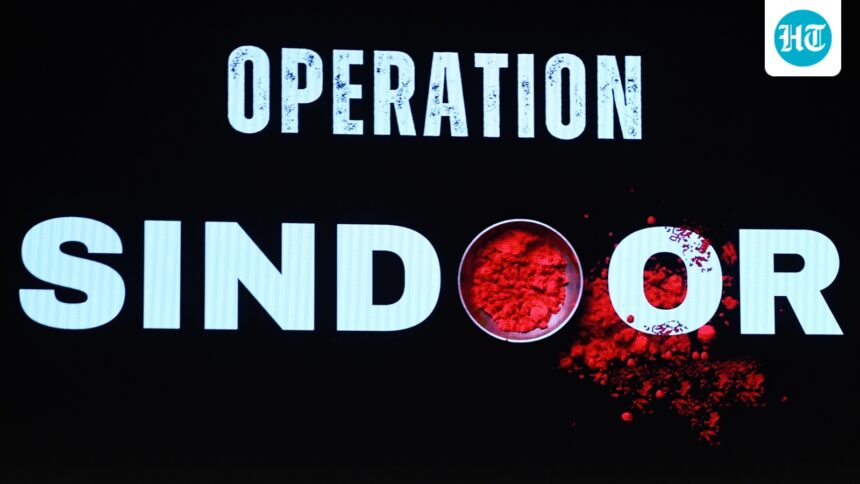
Official communications between India and Pakistan are virtually powerless, especially after a violent four-day conflict from May 7 to 10, 2025, when the two sides targeted each other with drones and missiles before agreeing to cease hostilities. India launched Operation Sindoor in response to the terrorist attack carried out by the Resistance Front (TRF), a proxy of the Lashkar-e-Taiba based in Pakistan.
London meeting
About two months later, political leaders, experts and former diplomats from both sides gathered for a Track 1.5 meeting in London in July facilitated by the International Institute for Strategic Studies. The sources said that the Pakistani delegation included serving military officials, although India did not send any serving officials.
Follow-up talks in Muscat
This was followed by another Track 1.5 meeting, again facilitated by the International Institute for Strategic Studies, in Muscat, Oman in October 2025, the people said.
The International Institute for Strategic Studies, in collaboration with the Center for the Near East and South Asia of the US National Defense University in Washington, has organized the South Asia Security Conference – an informal Track 1.5 event featuring current and retired officials – in Bahrain and Oman for several years now.
In the past, India had sent the Joint Secretary heading the Pakistan, Afghanistan and Iran desk in the Ministry of External Affairs to participate in the editions of the South Asia Security Conference.
Thailand Dialogue
Experts, academics, political leaders and former senior officials from India and Pakistan also participated in the Chao Track – a Track II meeting formerly known as the Chao Phraya Dialogue and organized by two think tanks based in New Delhi and Islamabad – in Thailand last December, the sources said. This was followed by a Track II meeting in Doha that included a similar mix of participants, the people said.
There are also reports of a Canadian think tank facilitating another Track II engagement. Although there have been around 20 separate Track 2 connections between India and Pakistan, sources said only around 12 are currently active.
Two people familiar with the clashes described interactions at the first Track 1.5 meeting in London, a few weeks after Operation Sindor, as intense. However, they said the interactions were more moderate and measured in subsequent engagements.
The two sources said that all engagements were kept secret in light of the severe tensions in bilateral relations. India responded to the Pahalgam terror attack by suspending the Indus Waters Treaty and a host of punitive economic and diplomatic measures, bringing relations to their lowest levels in decades.
“These communications help keep the communication channel open and also help measure the temperature between the two sides, which serves an essential purpose,” a third person said.