Climate change is giving us unprecedented temperature patterns this year. Large parts of India can expect an early ‘summer’ – with high temperatures lasting much longer and much warmer nights. During this crisis, those who can will rely on ice: to cool drinks, bring down fevers, and store items that need to be kept at low temperatures.

Ice has a long history in India. At first, natural ice helped. The Mughals carried ice sheets from Kashmir to the plains. During the 19th century, ice was imported from New England in the United States. It was cut from frozen lakes and shipped to India, and thus the ice reached Chennai and Kolkata. Being able to eat ice cream was a luxury at the time. Experiments with making ice in straw-lined pits were only partially successful.
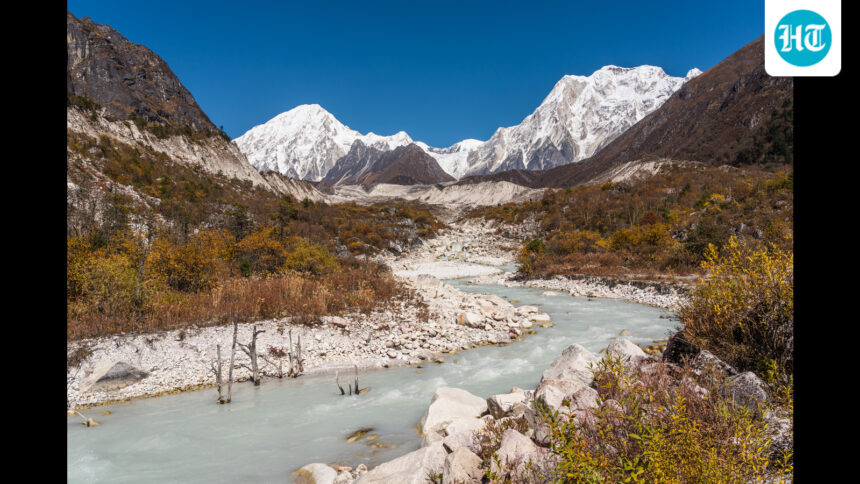
Think about this fact today, in the heat, and with the widespread use of readily available man-made ice. Naturally, natural ice would not be enough for today’s needs. Even more worrying is that the ice essential to many ecosystems is melting rapidly. The Himalayan region witnessed a snow drought in the first half of winter, which is a worrying phenomenon. According to the BBC, between 2000 and 2023, glaciers outside the main ice sheets of Greenland and Antarctica will lose about 270 billion tons of ice per year on average. It may be impossible to reverse this trend, but it is possible to slow the pace of global warming if this issue becomes more serious globally. The ice we take for granted today carries a history that also serves as a cautionary tale.
(The writer is founder and director of Shintan Environmental Research and Action Groups)