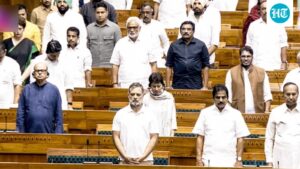
When Rahul Gandhi met outgoing Karnataka Chief Minister Siddaramaiah on Tuesday to deliver the bad news that his time was up, it was done with sensitivity and attention to detail. It was a one-on-one meeting in which no one else attended, not even party president Mallikarjun Kharg. Since it was just the two of them, no word emerged about what happened inside, until Siddaramaiah himself shared it with his close aides. He told them that Gandhi had trusted him and told him: “Come and join me to fight in 2029. We will benefit greatly from you joining our fight at the Centre.”

Siddaramaiah found it difficult to say no to Gandhi.
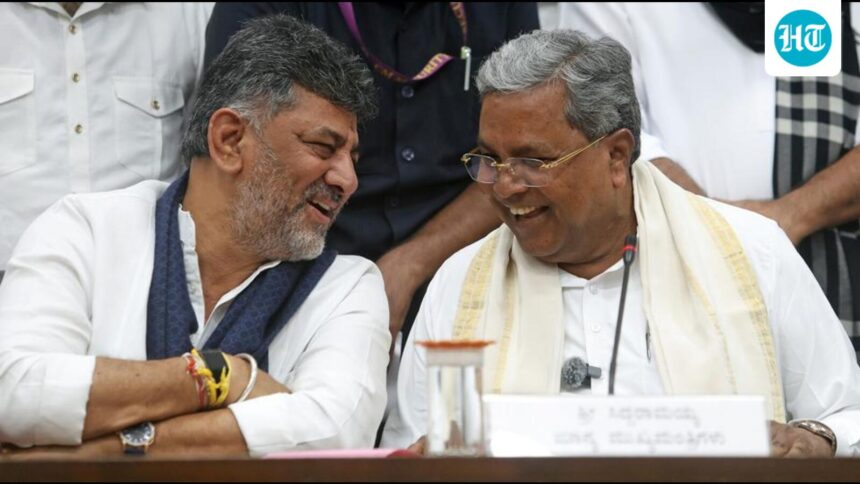
There have been other subtle changes in Congress’ handling of the mid-term change in prime ministers. The last time this happened was in 2021 when the party removed Punjab Chief Minister Captain Amarinder Singh and then forced him to resign. He publicly protested his “humiliation” and then quickly resigned and fell into the arms of the BJP. Contrast that with the pictures that emerged from Bengaluru on Thursday afternoon: a smiling Siddaramaiah, accompanied by his proposed successor DK Shivakumar. The time and place of his exit has been left to him – the first confirmation of his exit came from Siddaramaiah, not KC Venugopal or Randeep Surjewala – along with offers of welcome, including a ministerial position for his son or accommodation of his supporters. The man himself said no to the Rajya Sabha seat.
As Karnataka’s longest-serving chief minister stepped down, he expressed his indebtedness to senior party leaders Sonia Gandhi, Rahul Gandhi and AICC chief Mallikarjun Kharge “who gave me the opportunity”. This came as a huge relief to the party high command which knows the strength of Siddaramaiah, who has not only spent 50 years in public life, but also enjoys a great deal of goodwill with legislators and the public. This peaceful transition was almost similar to what happened in the BJP states, where Vijay Rupani made way for Bhupendra Patel in Gujarat in 2021, and Basavaraj Bommai took over from BS Yeddyurappa in Karnataka in 2021. In all these moves, the BJP has managed to orchestrate the transitions without much fuss by remaining calm. While Congress is yet to meet, Karnataka may be a sign that it is improving. “This is not an imitation of the BJP’s playbook, it is what Congress has always been,” protested party Rajya Sabha MP Jairam Ramesh.
But changing cabinet members ahead of elections is not the only aspect that the Congress seems to be borrowing from the BJP’s playbook. There is also flexibility in decision making that was not there before, which is more associated with the BJP. For example, the party, known for procrastinating on decisions, took the decision to dump DMK in favor of TVK, on the results day itself. “Rahulji made up his mind that very day to support them. He feels Vijay will be a more popular ally before 2029 and if he campaigns for Congress, it will really benefit us. Not only this, they will also give us much more seats than the DMK has ever given us,” said a Congress functionary, requesting anonymity.
The fact that the party flirted with TVK before the elections, and decided to stick with its old ally, the DMK, certainly made the post-results move seem opportunistic, but in post-2014 Indian politics, such opportunism is often the difference between being on the winning side and on the losing side.
There are other things that seem inspired by the BJP’s playbook, including, over the past year, their supporters (and also trolls) taking on critics and counter-narratives. This is something the BJP has excelled at.
Some analysts even see the selection of V D Sathisan as Kerala Chief Minister as another indication of the party’s new approach. He is a popular leader, and while there is some merit in the argument that he may have forced the party’s hand – Delhi initially favored KC Venugopal – the fact is that the Congress respected the choice of the party majority rather than imposing theirs (something the party did with disastrous consequences in Punjab in 2021).