Streaming services with more than 500,000 users in the UK, including Netflix, Amazon Prime Video, Disney+, ITV’s ITVX and Channel 4 services, will be covered by enhanced regulation by UK media regulator Ofcom “designed to protect audiences and improve access,” the UK government said on Tuesday.
The government unveiled “secondary legislation to implement the Media Act 2024, bringing the UK’s largest and most popular video on demand services under enhanced regulation by Ofcom”. “Platforms such as Netflix, Amazon Prime Video and Disney+, and public service VOD streaming services such as ITVX and Channel 4, will be required to follow Ofcom content rules similar to those currently in place for traditional broadcasters.”
With the most popular streaming platforms designated as “Tier 1” services, they will have to adhere to the new VOD Standards Code. “Similar to the Broadcasting Act, this will ensure news is reported accurately and fairly and the public is protected from harmful or offensive material,” the government said. “The public will be able to complain to Ofcom if they see something of concern, and Ofcom will have powers to investigate and take action, where they consider there has been a breach of the law.”
Under the new Accessibility Code covering the Services, you will be subject to minimum requirements for accessibility features. For example, streamers will need to ensure that at least 80 percent of their total catalog is translated, 10 percent is audio described, and 5 percent is signed.
The Labor government said the regulations were designed to “reflect the significant shift in how the public chooses to watch television”. After all, around two-thirds of UK households subscribe to at least one Netflix, Amazon Prime Video or Disney+ service, with 85% of people using the on-demand service each month, compared to 67% of those who watch live TV.
“Although licensed TV channels must comply with Ofcom’s broadcasting rules and accessibility requirements, such as subtitles, many of the UK’s most popular video-on-demand services are not regulated to the same standard,” the government stressed. “Some are not regulated in the UK at all. This poses a risk to audiences and a lack of consistency across TV and similar services.”
As a result, the UK government described the move as an attempt to “create a more level regulatory playing field and ensure that UK audiences – particularly children and parents – can be confident that protection from harmful material is in place, whether they are listening via traditional channels or a mainstream on-demand service.”
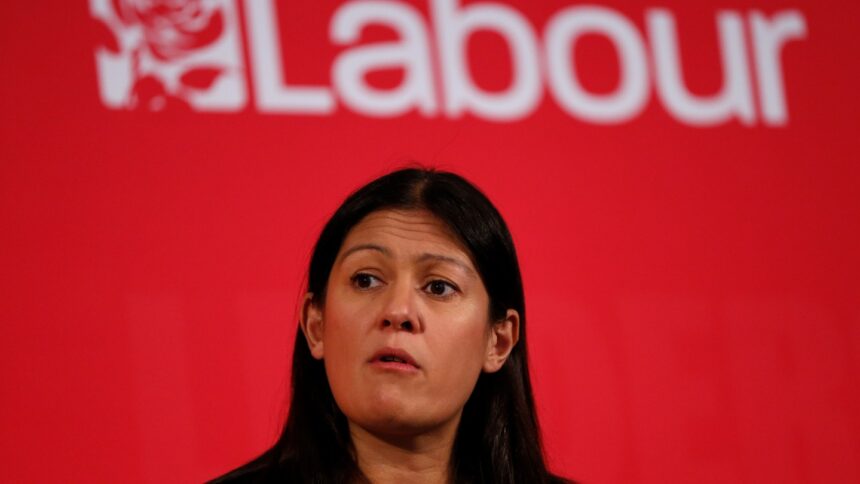
Secretary of State for Culture, Media and Sport Lisa Nandy said: “We know that the way audiences watch television has fundamentally changed. Millions now choose to watch content on video on demand platforms alongside or, in the case of many young people, instead of traditional television. The Media Act has provided vital updates to our regulatory framework, which this government is committed to implementing. By bringing the most popular video on demand services under enhanced regulation by Ofcom, we are strengthening the protection of audiences, creating a level playing field for the industry and supporting our vibrant media sector which It continues to innovate and drive growth across the UK.
Ofcom will soon begin a public consultation on the new standards and accessibility codes to give the public and service providers the opportunity to offer their views on the rules.