A new startup, MUS Immersive (short for Modern Uprising Studio), has launched as an independent company aiming to promote “a new category of entertainment: immersive event cinema” using spatial computing technologies.
This type of technology merges the physical and digital worlds, allowing users to interact with 3D digital content installed in their real-life environments.
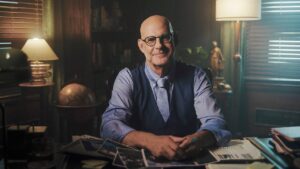
Former Miramax Films senior vice president of international marketing and sales Joel Rudman is co-founder and CEO of immersive MUS. He emphasized that the company’s goal was to “realize the full potential of the immersive theatrical window” and “create a new cinematic language and form, one that completely surrounds audiences and elevates the ways stories are shared and experienced.” During his time at Miramax, he helped produce films such as Pulp Fiction, Goodwill hunting and Shakespeare in love For a global audience, according to the company.
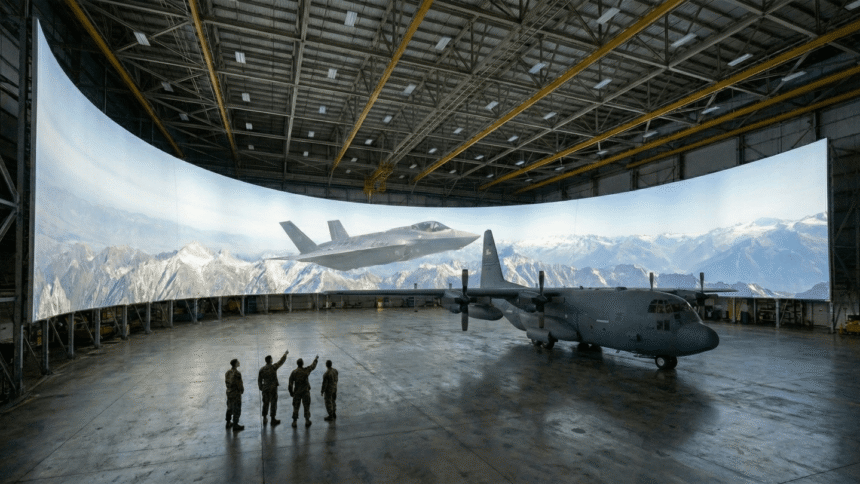
MUS Immersive is looking to bring spatial computing technology to an “immersive production, distribution and display platform, redefining the future of cinematic experiences,” the companies said. “At the heart of this launch is the Celeste Immersive Engine, a proprietary spatial computing platform developed in-house by [venture platform] Toro Science [that focuses on developing “breakthrough” technologies and then creating independent companies around them] It is validated in challenging real-world environments, including defense training, simulation and operational settings. Therefore, MUS is an immersive company that promotes its technology as “military grade.”
Toro Sciences was founded by CEO Joe Nolan, a US Air Force veteran, who has built and sold several technology companies, including Perspective Studios, a CG animation studio specializing in performance capture.
The Celeste Immersive Engine transforms traditional video into what the company describes as “immersive environments with a full field of view, without headphones.” MUS plans to deploy this technology through a growing network of immersive cinematic venues and an “exclusive library of immersive media rights across film, sports entertainment, sponsor activations and hybrid premium content,” among other strategies. “Immersive company MUS is scheduled to establish the company’s flagship Celeste Immersive Screening Lounge in New York in 2026, with an expanded network of venues expected in 2027. Together, these efforts signal the emergence of a new media category at the intersection of cinema, technology and the live experience.”
The company sees itself as a partner for intellectual property owners to “extend the lifecycle, audience reach and monetization” of their content through immersive releases and adaptations.
“MUS’s immersive software embodies our approach to project creation,” said Nolan, founder and CEO of Toro Science. “MUS is now poised to lead the commercialization of spatial computing in entertainment.”
says Rodman Hollywood Reporter: “Immersive MUS was developed within the Toro Science project ecosystem to unleash the full potential of the immersive theatrical window. It came from the idea that today’s technology has opened the door to a new kind of creative outlet, one that transcends traditional formats and expectations. Looking to the future, the most successful filmmakers won’t just be directors. They will be world builders, creating expansive story worlds, engaging communities, and immersive experiences that audiences can return to again and again.”
“For creators, this means a more open and expansive future, with new opportunities to tell stories in ways that connect with people,” adds the MUS president. “The next era of Hollywood will not be defined by who produces the most content, but by who creates the most compelling and sustainable worlds, and we are proud to be part of that story.”
MUS recently made headlines when news leaked online that the winner of an AI-powered short film competition it co-organized would begin screening before screenings at AMC theaters, and the cinema chain decided not to run it after online uproar. The inaugural Frame Forward AI Animation Film Festival has unveiled Igor Alferov’s short film Thanksgiving Day As the winner.
“The national theatrical screening, though truncated, is only a preview of the award for the winning film,” Rodman said in response. “The film will be adapted for Celeste’s massive immersive theater venues, the first of which will be built in New York within the year. Shared theatrical experiences are an important cultural connection. Traditional theater chains are vital to our cohesion as a community, and are duly careful [about AI]. However, the media landscape is changing and evolving rapidly. They may be cautious, but it is important for the immersive MUS that new and exciting films, filmmakers, cinematic language, and the spaces of these shared experiences continue to evolve. We will bring new content and important existing content to our growing network of places, starting in New York. We will not see the theater window wither before our eyes.”