An independent review of the BAFTA Film Awards found “a number of structural weaknesses” in planning, escalation procedures and crisis coordination prior to John Davidson’s Tourette’s outburst.
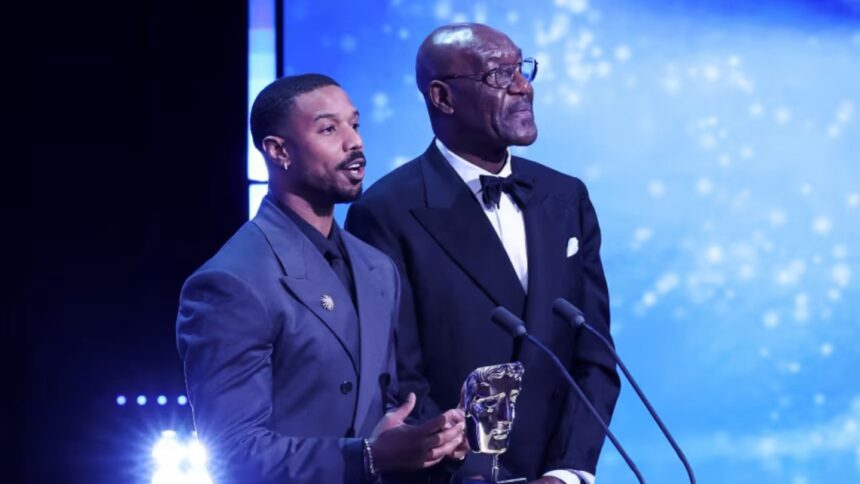
Davidson, BAFTA Award-winning executive producer I sweardominated the headlines for weeks after involuntarily shouting the “n” word when Michael B. Jordan and Delroy Lindo presented the award for Best Visual Effects at the 79th British Academy Film Awards on February 22.
The BBC had questions of its own to answer after the slur was broadcast despite a two-hour tape delay, and this week also ruled the incident a breach of the broadcaster’s editorial standards. Chief content officer Kate Phillips confirmed the breach was “not intentional”, although former director general Tim Davie was unable to say why the concert was still available to stream on BBC iPlayer 15 hours after the event.
On Friday, a review commissioned by the BAFTA board and carried out by RISE Associates reached its conclusions about what has happened and what needs to change. Sent to Hollywood ReporterThe review identified “a number of structural weaknesses” in planning and crisis management at the British Academy.
A BAFTA board note said: “However, no evidence of malicious intent on the part of those involved in organizing the event was found. We accept its conclusions in full.”
The council continued: “We apologize unreservedly to the black community, for whom the racist language used carries real pain, brutality, and trauma; to the disability community, including people with Tourette’s syndrome, for whom this incident has resulted in unfair judgment, stigma, and distress; and to all of our members, guests at the ceremony and those watching at home. What was supposed to be a moment of celebration was diminished and overshadowed.”
The statement added: “We have written to those directly affected overnight to apologise.”
The review is clear that while this is “not a failure of intent”, BAFTA’s planning and operations “have not kept pace with its diversity and inclusion objectives”. The board also admits that they “did not anticipate or adequately prepare for the impact of such an incident in a live event environment and as a result our duty of care to everyone at the concert and watching at home fell short.”
Work is already underway to address the identified areas of improvement recommended in the review to reduce the risk of this happening again. This includes improving the escalation process and information exchange chain around BAFTA’s awards ceremonies, enhancing how they plan and provide access, inclusion and support at their events, and addressing any internal cultural gaps or lack of knowledge that “may prevent BAFTA from delivering on its commitment to diversity, equality and inclusion across our work”.
The BBC also pledged to learn from its mistakes and prevent history from repeating itself. The company has put in place procedures to improve event planning, live production, and iPlayer takedowns.
The backlash from the incident continued for weeks. Davidson claimed he would have been “absolutely terrified” if anyone thought the tics were “intentional.” It has become a topic of discussion at the NAACP Image Awards, as well as a topic of bad taste SNL Draw who was Hollywood Reporter Asks: Is there a gap between the US and the UK regarding Tourette’s education?