
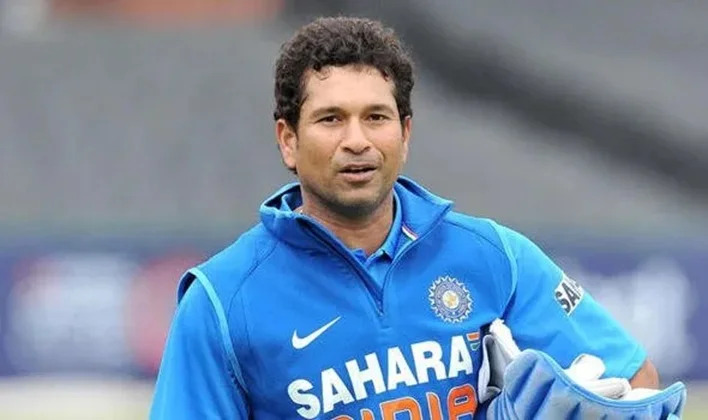
Sachin Tendulkar is not just a name in Indian cricket—it is an emotion felt by millions. Known as the “God of Cricket,” his journey to greatness was built on years of sacrifice, struggle, and relentless discipline, long before records and centuries followed him.
Early Life: A Boy With a Dream
Sachin Ramesh Tendulkar was born on April 24, 1973, in Mumbai. As a child growing up in a middle-class family, life was far from luxurious. His elder brother, Ajit Tendulkar, noticed his natural talent and introduced him to cricket. This single decision changed Indian cricket forever.
At the age of 11, Sachin was enrolled at Sharadashram Vidyamandir School, where legendary coach Ramakant Achrekar became his mentor. Training sessions were intense—often lasting the entire day. Achrekar placed a coin on the stumps and promised Sachin that he could keep it if he remained unbeaten. Sachin rarely lost that coin, but every session tested his mental and physical limits.
Sacrifices and Struggles in Childhood
Sachin lived away from his family for long periods to focus solely on cricket. He missed birthdays, festivals, and a normal childhood. Traveling in crowded Mumbai local trains with heavy kit bags, practicing on rough pitches, and facing bowlers much older than him became routine.
Despite his talent, recognition did not come easily. Competing with hundreds of young cricketers, Sachin had to prove himself every single day. Failures hurt deeply, but quitting was never an option.
International Debut: Thrown Into the Fire
At just 16 years old, Sachin made his international debut against Pakistan in 1989. Facing one of the most fearsome bowling attacks in the world without a helmet was a brutal introduction. A bouncer from Waqar Younis left him bleeding, but Sachin refused to leave the field—an early sign of the fearless fighter he would become.
The world soon realized that India had found something extraordinary.
Carrying the Weight of a Nation
Through the 1990s, Indian cricket relied heavily on Sachin. Match after match, hope rested on his bat. This pressure was enormous. There were times when India lost early wickets, and Sachin knew that one mistake from him could mean defeat.
Injuries, form slumps, and constant expectations tested his mental strength. Critics questioned him when centuries dried up, but Sachin responded the only way he knew—through hard work and humility.
Breaking Records, Facing Setbacks
Sachin became the first player to score:
- 100 international centuries
- A double century in ODIs
- Most runs in international cricket
Yet behind these achievements were painful moments—World Cup heartbreaks, injuries to his back and elbow, and years of waiting for India’s biggest dream to come true.
2011 World Cup: The Ultimate Reward
After six World Cup attempts, Sachin finally lifted the trophy in 2011. As his teammates carried him on their shoulders, it symbolized more than victory—it was the reward for decades of sacrifice, pressure, and perseverance.
Retirement and Legacy
Sachin retired in 2013, leaving behind records that may never be broken. More importantly, he left a legacy of discipline, respect for the game, and quiet excellence.
He taught generations that greatness is not built overnight—it is earned through patience, struggle, and unwavering dedication.
Sachin Tendulkar’s life proves that talent alone is not enough. His success came from enduring pain, handling pressure, and staying humble at the peak of fame. He is not called the “God of Cricket” just because of his records—but because of the values he carried throughout his journey.
Sachin Tendulkar will forever remain the heartbeat of Indian cricket and a global symbol of sporting greatness.
Get the Latest News Headlines, Top Stories on Politics, Business, Technology, Sports from India News andWorld News at Global India Broadcast News (GIBNNetwork).