

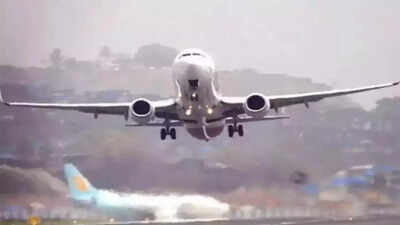
The global aviation industry is expected to see a sharp decline in profitability in 2026, with profits nearly halving compared to previous forecasts, as ongoing conflict in the Middle East drives up fuel prices, disrupts key flight routes and strains airline operations around the world.The International Air Transport Association said on Sunday that it now expects the industry to post combined net profits of $23 billion in 2026, down sharply from a previous estimate of about $41 billion and down from profits of $45 billion in 2025.The aviation body, which represents more than 370 airlines representing about 85% of global air traffic, said the reduction reflects a combination of geopolitical shocks and higher fuel costs, even as passenger demand remains strong.
High fuel and airspace turbulence have hit airlines
According to Reuters, the Director-General of the International Air Transport Association, Willie Walsh, said that expectations have worsened due to two main pressures.“There are two main factors: one is the huge increase in jet fuel prices, which have gone much higher than anyone expected, and then the disruption to airlines in the Gulf region,” Walsh said.This combination has led to a sharp decline in earnings expectations across the industry, he added.
Walsh also warned that rising costs could force weaker airlines out of the market, with consolidation likely to increase.“I expect some of the smaller airlines will go bankrupt or be taken over by larger airlines,” he said.
Airlines face rising costs despite strong demand
Despite the financial pressures, IATA said global demand for air travel remains resilient, with full flights expected and revenues rising.The organization expects industry revenue to exceed $1.1 trillion, driven by strong passenger traffic and additional income from premium services such as on-board promotions and offers.However, profitability per passenger declined sharply. The International Air Transport Association (IATA) estimates that airlines will earn about $4.50 per passenger in 2026, roughly half of last year’s level.According to Agence France-Presse, the International Air Transport Association said that global airlines are expected to carry about 5.1 billion passengers in 2026, up from about 4.98 billion in 2025, reflecting continued growth in demand despite rising prices.
Conflict in the Middle East is reshaping aviation expectations
The reduction comes amid continued instability in the Middle East following the US and Israeli strikes on Iran, which caused widespread airspace disruptions and forced airlines to reroute their flights.These diversions have increased journey times, fuel consumption and operational costs, while tightening capacity across major international routes.Gulf carriers such as Emirates, Qatar Airways and Etihad Airways are expected to face the most pressure, with the International Air Transport Association warning that airlines in the Middle East may slide into losses due to conflict-related disruptions and weak demand conditions.
Fuel costs emerge as the biggest burden
The International Air Transport Association (IATA) estimates that the global airline fuel bill will rise to about $350 billion in 2026, up from about $252 billion in 2025, making fuel nearly a third of total operating costs.Walsh said rising jet fuel prices are wiping out gains from higher passenger revenues and forcing airlines to rethink route networks.Airlines are also expected to cut unprofitable routes, while prices are likely to remain high due to limited capacity and stable demand.“Air travel prices are rising, and airlines are still absorbing part of the rise in their bottom lines,” IATA noted.
Expectations: Growth in the number of passengers, pressure on profits
While the industry continues to recover in terms of passenger numbers, profitability is expected to remain under pressure due to geopolitical uncertainty, fuel volatility and aircraft delivery delays from manufacturers such as Boeing and Airbus.The imbalance between growing demand and limited capacity will continue to support higher prices, even as airline margins shrink, Walsh said.Despite the pressures, the International Air Transport Association described the outlook as resilient, even if profits fell sharply and regional performance varied widely across global markets.