When South Korea descended into one of the worst financial crises in its modern history, the government turned to the International Monetary Fund for the largest rescue package ever approved.
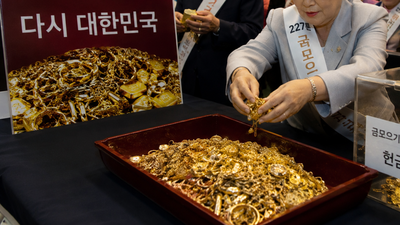
However, one of the country’s most notable responses did not come from financial markets or political leaders; It came from ordinary citizens. In an extraordinary show of national solidarity, millions of people voluntarily donated their wedding rings, gold jewelry, family heirlooms and even Olympic medals to help the country reduce its foreign debt. In just four months, the campaign raised approximately 227 tons of gold, becoming one of the largest voluntary public fundraising efforts in economic history.
Nearly three decades later, South Korea’s gold-raising movement remains a powerful example of how collective sacrifice can help restore confidence during a national financial emergency.
Why did South Korea need the largest IMF bailout in history?
According to the Asian Regional Integration Center, in late 1997, the Asian financial crisis spread rapidly across East and Southeast Asia, exposing vulnerabilities in South Korea’s corporate sector and highly leveraged financial system.
Foreign investors lost confidence, international lenders withdrew short-term loans, and the value of the Korean won fell sharply against the US dollar. As foreign currency reserves dwindled, South Korea faced the risk of defaulting on its international obligations.To prevent financial collapse, the country secured a US$58.4 billion emergency rescue package from the International Monetary Fund, World Bank, Asian Development Bank and several bilateral lenders.
At the time, this was the largest IMF-led bailout ever.According to the International Monetary Fund, the program requires comprehensive economic reforms aimed at restoring financial stability, restructuring banks and improving corporate governance.“The Korean authorities have embarked on a bold economic reform program with support from the International Monetary Fund.”
How millions of South Koreans donated their gold to pay off the national debt
According to PCNC, in the midst of the financial crisis, a national campaign known as the Gold Collective Movement was launched in January 1998.
The campaign, organized by civic groups, financial institutions and broadcasters, encouraged citizens to donate personal gold to help the country obtain much-needed foreign currency.The audience response exceeded all expectations. More than 3.5 million people, about a quarter of South Korea’s population at the time, voluntarily handed over wedding rings, necklaces, bracelets, family heirlooms, handicrafts and commemorative gold medals. Some Olympic athletes have even donated the gold medals they won to represent their country.As the Bank of Korea reported, the donated gold was melted down, refined, turned into bullion and sold on international markets. The campaign collected approximately 227 tons of gold, and collected about 2.2 billion US dollars, which contributed to alleviating the country’s external debt burden and restoring international confidence in the economy.Although the amount represents only a small portion of the overall rescue package, the campaign is widely viewed by economists as an extraordinary demonstration of public confidence and national unity during a period of extreme economic uncertainty.
How the gold collecting movement became a symbol of national steadfastness
Although South Korea’s economic recovery was ultimately driven by structural reforms, export growth, and international financial aid, the gold collecting movement became an enduring symbol of civic responsibility.
The campaign boosted public morale at a time when unemployment rates were rising, businesses were failing, and confidence in the economy had reached historic lows.The International Monetary Fund later noted that South Korea recovered more quickly than many economists had expected, with economic growth returning strongly within a few years as reforms took effect. Today, the gold rush is often cited in economics, public policy, and history as a rare example of millions of citizens voluntarily contributing their personal wealth to support a national economic recovery.The story still resonates because it demonstrated that public solidarity, along with institutional reforms and international aid, can play an important psychological role in rebuilding confidence during a financial crisis.