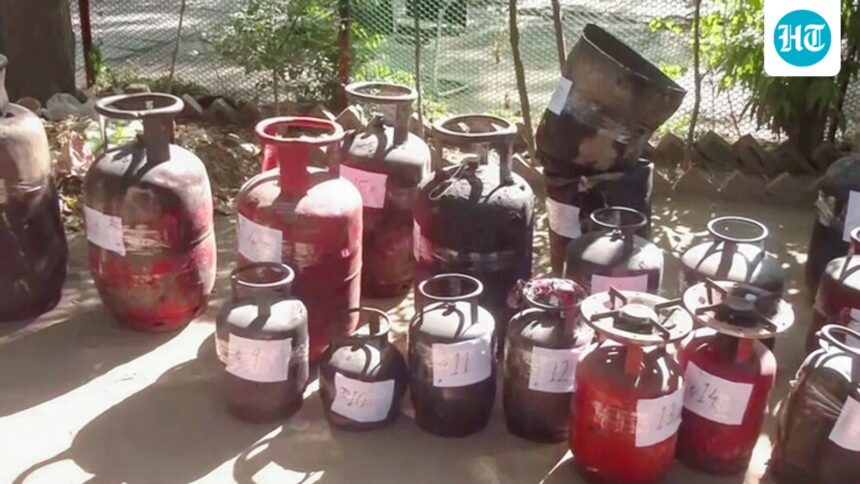
The Center has directed state-run fuel retailers to significantly enhance liquefied petroleum gas (LPG) storage infrastructure and maintain sufficient reserves to meet demand for at least 30 days, amid concerns over supply disruptions caused by the recent conflict in West Asia.

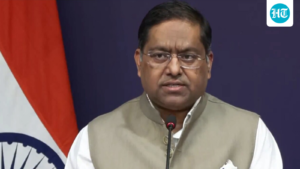
“We are working on strategic reserves. Oil marketing companies have been asked to come up with (a plan) to retain LPG reserves for at least 30 days, and they are working on it,” Petroleum Ministry Joint Secretary Sujata Sharma said on Friday, quoted by the news agency. PTI.
The government has asked the state-owned oil marketing companies – Indian Oil Corporation (IOC), Bharat Petroleum Corporation Limited (BPCL) and Hindustan Petroleum Corporation Limited (HPCL) – to prepare plans to create additional LPG storage capacity in addition to their regular commercial stocks.
Read also | Government relaxes LPG surrender rule, allows reconnection
What is happening?
The move comes after the three-month-long conflict in West Asia disrupted global energy supply chains, affecting India’s energy imports from the Gulf region.
About 40 percent of India’s crude oil imports, 65 percent of its natural gas supplies, and 90 percent of its liquefied petroleum gas imports come from the Gulf countries.
While India has been able to secure alternative supplies of crude oil and natural gas, disruptions in LPG imports have forced authorities to regulate supplies to commercial consumers.
Sharma also said that the government is working to expand the country’s crude oil storage capacity, though she did not share further details.
The government emphasized that India currently has sufficient stocks of petrol, diesel, LPG, crude oil and natural gas. She added that local refineries are operating at ideal levels and that LPG production has reached an all-time high of about 52,000 tons per day.
Read also | Chandigarh: INLD demands reduction in fuel and LPG prices by May 31
Why the huge increase in fuel sales?
“No drought has been reported at any LPG distributor,” Sharma said, adding that “abnormal selling was observed at several petrol pumps.”
According to Sharma, the increase in fuel sales is driven by agricultural demand and a shift in consumer purchases from wholesale buyers and fuel retailers to state-run outlets, largely due to price differentials.
More than 150 regions across the country recorded more than 30 percent growth in gasoline sales, while 14 regions saw sales more than double. Diesel sales increased by more than 30 percent in 156 regions, with six regions recording growth of more than 100 percent.
It also said sales by private fuel retailers fell by 38 percent for diesel, while wholesale diesel sales by state-run oil marketing companies fell by 29 percent.
Although gasoline and diesel sold through SOE retail outlets are still priced below cost, wholesale consumers such as telecom towers are charged market-linked prices. Private sector fuel retailers also increased petrol and diesel prices more sharply than their public sector counterparts.
IOCs, BPCL and HPCL, which together account for nearly 90 per cent of India’s fuel retail market, have hiked petrol and diesel prices by about $7.50 per liter since May 15.
The government said it was closely monitoring the situation and advised states and union territories to form special enforcement teams to prevent hoarding and black marketing. Consumers have also been urged not to indulge in panic buying and to buy fuel only through approved channels.