In his address to Indian ambassadors, heads of Indian missions abroad and diplomats on April 30, Prime Minister Narendra Modi urged them to confront false narratives against India instead of waiting for New Delhi’s approval or directions every time false information is spread against their country.

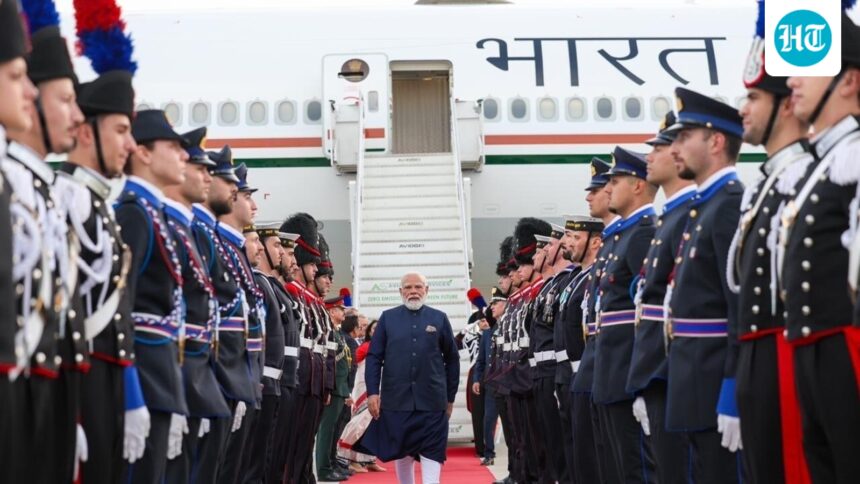
On the front end, Prime Minister Modi himself on May 15 fact-checked a news story on X and rejected claims that his government was considering imposing a levy or taxes on foreign travel. He stated that the report was completely false and did not contain an iota of truth during his ongoing trip to the UAE, Sweden, Norway and Italy.
In a world where perception is greater than reality, the Modi government is aware of how major powers are using social media to coordinate rhetoric against a rival nation. This month, Israeli Prime Minister Benjamin Netanyahu accused Pakistan of running “bot farms” on social media to distort online discourse, and spoke of information warfare on social media. Information warfare is a vital part of the People’s Liberation Army’s military warfare, but Western powers take the cake when it comes to setting narratives against rivals in the name of democracy, human rights, freedom of expression and liberal thought. It is not surprising that the Nordic countries, especially Norway, are keen to promote dialogue on Kashmir even though they do not have the right to appear before the court.
The current raging global conflicts – Ukraine and Russia, Israel and Gaza, the United States and Iran – are as much about military victory as they are about winning the narrative on social media. Not surprisingly, the winner is the militarily weaker side, as the public favors the underdog, regardless of who started or instigated the bloody fighting in the first place.
The Modi government had realized the importance of narrative construction during Operation Sindoor last year when the public discourse on the brutal massacre of Hindus in Pahalgam on April 22 was quickly forgotten, but India’s just retaliation against Pakistani terrorists and terror camps was seen as military aggression. Apart from this, Pakistani supporters promoted on social media as if Pakistani-Chinese weapons and missiles had overpowered India, despite 11 Pakistani air bases being damaged, several aircraft destroyed, and a number of air defenses neutralized by precise Indian strikes.
While it is normal for the Indian opposition to target the Modi government using social media or promote anti-government rhetoric on X, the onus is on the appointed government machinery to fact-check false narratives and accusations. That the Prime Minister himself had to report a wrong report does not speak well of the particular mechanism, which likes to play the role of ignoring responsibility. Staying silent or ignoring false narratives is no longer an option in the world ruled by artificial intelligence.