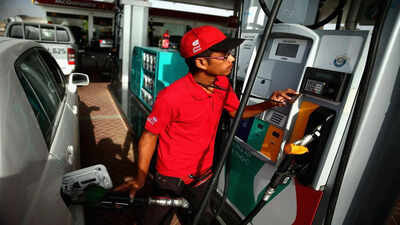
UAE motorists brace for higher fuel costs as petrol and diesel prices rise in May 2026 to 10% / Image: File
Motorists across the UAE are set to pay more at the pump again in May 2026 after authorities announced another increase in petrol prices, extending a months-long upward trend driven by global oil market instability, geopolitical tensions and supply concerns.
The latest adjustment follows sharp increases already seen in April, with fuel prices now reaching some of the highest levels recorded in recent years.The UAE Fuel Price Committee revised prices of all major petrol grades, while diesel prices remained high. As of May 1, the price of Super 98 gasoline will be 3.66 dirhams per liter, compared to 3.39 dirhams in April. The price of Special 95 rose to 3.55 dirhams from 3.28 dirhams, while the price of E-Plus 91 rose to 3.48 dirhams per litre.
The price of diesel remains at 4.69 dirhams per litre.This increase means that motorists will spend significantly more every time they refuel. The cost of filling a compact car with Super 98 is about AED 186.66, while SUV owners can pay more than AED 270 for a full tank, depending on the size of the car and the type of fuel.
Fuel prices in the UAE for May 2026
The May adjustment represents the third consecutive increase in fuel prices this year, following previous increases in March and April.
| Fuel grade | April 2026 price (per litre) | May 2026 price (per liter) | Change (per litre) |
| Super 98 | 3.39 dirhams | 3.66 dirhams | +0.27 dirhams |
| Special 95 | 3.28 dirhams | 3.55 dirhams | +0.27 dirhams |
| E-Plus 91 | 3.20 dirhams | 3.48 dirhams | +0.28 dirhams |
| diesel | 4.69 dirhams | 4.69 dirhams | No change |
Just weeks ago, April prices had already risen significantly after global crude oil prices surged during escalating regional tensions involving Iran, Israel and the United States.
In April, Super 98 jumped from Dh2.59 to Dh3.39 per liter in one of the largest monthly increases in recent memory.Prior to this, March prices had already reversed two months of declines, signaling the beginning of a renewed upward trend in fuel costs in the UAE.
How much would you pay for a full tank?
The latest increase will immediately impact daily commuting costs for residents and businesses alike.According to estimates published after the announcement:
- Small cars will cost approximately AED 13 to 20 to fill compared to April.
- Sedan owners will see their fuel bills rise by about 17 dirhams on average
- SUVs can cost around 20 dirhams more per tank depending on fuel class
Businesses that rely on transportation and logistics may also feel the pressure if high fuel prices persist over the coming months.
Delivery services, freight operators and passenger transportation sectors are expected to face increasing operating costs as fuel expenses continue to rise.However, despite the increases, fuel prices in the UAE remain lower than in many global markets due to relatively low taxes and the country’s strong domestic energy infrastructure.
Why are fuel prices rising in the UAE?
The recent increases are closely linked to movements in global crude oil markets. Since the UAE liberalized gasoline prices in 2015, monthly retail fuel prices have been directly linked to global oil standards, refining costs and supply and demand conditions.Oil markets remained volatile throughout 2026 due to continued geopolitical instability in the Middle East. Analysts point to tensions related to Iran, concerns surrounding the Strait of Hormuz, and disruption to regional energy infrastructure as the main reasons behind the rise in crude oil prices.At one point during March, Brent crude was reported to have approached $115 a barrel as concerns grew about supply disruptions across key oil shipping routes.
About a fifth of global oil trade passes through the Strait of Hormuz, making any instability in the region a major concern for energy markets around the world.Analysts also say strong demand from Asian markets and tighter global supply conditions have kept upward pressure on prices. Although the UAE announced its exit from OPEC and OPEC+ as of May 1, experts believe that local fuel prices will still largely follow global crude trends rather than local production decisions alone.