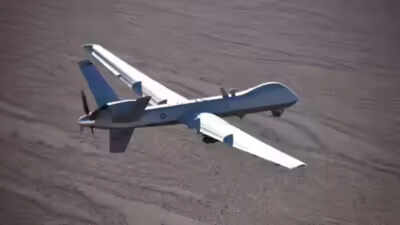
MQ 9 Reaper drone (Photo/Air Force website)
The US Air Force is seeking to acquire unused MQ-9 Reaper drones from manufacturer General Atomics after suffering significant losses during operations against Iran and Iranian-backed groups in the Middle East.With aircraft production halted and a limited number of them available, the service faces increasing challenges in replenishing its drone fleet.The Air Force is looking for available harvestersThe Air Force confirmed that it plans to purchase several unused drones currently owned by General Atomics.“The USAF intends to purchase several unused MQ-9A Block 5 aircraft from GA-ASI [General Atomics Aeronautical Systems, Inc.]A spokesperson for the service told TWZ.According to the service, the aircraft was originally built for prospective customers but was never delivered and remains available for purchase.Funding has already been secured to begin the procurement process as part of a short-term effort to replace aircraft lost in recent combat operations, Air Force officials said.The losses raise questions about the fleet’s readinessAccording to Air Force officials, the MQ-9 fleet has shrunk significantly, down to about 135 aircraft from 165 at the start of fiscal year 2026.
The reported losses have intensified concerns about the Air Force’s ability to maintain operational capability while continuing missions that rely heavily on long-term surveillance and drones.Meanwhile, the Air Force is turning to alternative measures, including salvaging parts of MQ-1 Predator drones, to keep its remaining Reaper fleet operational while it searches for additional aircraft.What we know about the MQ-9 ReaperThe MQ-9 Reaper is one of the most advanced remotely piloted aircraft systems in the US military, designed primarily for intelligence gathering, surveillance, reconnaissance and precision strikes. Developed as a successor to the MQ-1 Predator, the Reaper is larger, faster and more heavily armed.It is capable of flying long-duration missions against high-value, time-sensitive targets while keeping aircrews away from combat zones. The drone can carry a wide range of weapons, including AGM-114 Hellfire missiles, precision-guided bombs such as the GBU-12 Paveway II, and Joint Direct Attack Munitions (JDAMs).They are also equipped with advanced sensors, including infrared cameras, daytime television cameras, laser designators and synthetic aperture radar systems. The standard MQ-9 system consists of the aircraft, ground control stations, satellite communications links and operations crews. The drone is operated remotely by a two-person crew that includes a pilot and a sensor operator.