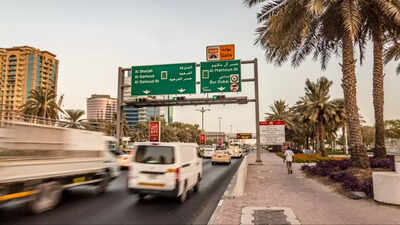
Fasting and driving in Sharjah or Dubai, UAE in Ramadan 2026? Here’s what doctors want you to know
As the holy month of Ramadan 2026 continues across the UAE, medical experts and authorities are raising new safety alerts for drivers, especially those traveling long distances during fasting hours between emirates such as Dubai and Sharjah.
With many drivers fasting from dawn to sunset, concerns about fatigue, dehydration and decreased alertness behind the wheel have emerged as real hazards on the road that could increase the risk of traffic accidents during the holy month.This issue has drawn attention as passengers on busy roads, especially the Sharjah-Dubai-Sharjah corridor, encounter heavy traffic flows and feel sleepy in the late afternoon.
Local medical professionals and transportation safety advocates urge drivers to be aware of how fasting-induced changes in energy levels and hydration affect driving performance and overall road safety.
How does fasting in Ramadan 2026 affect driving performance?
According to Dr. Adel El-Sisi, medical director and head of the intensive care unit at Prime Hospital in Dubai, physiological changes during fasting, such as low blood sugar levels and mild dehydration, can have measurable effects on reaction times, alertness and concentration.
He told Gulf News that these changes often become more noticeable in the mid-to-late afternoon, when energy levels naturally decline and dehydration takes its toll.
As a result, drivers may be more at risk for delayed reaction times, fatigue and poor concentration, especially when combined with poor sleep or long hours without food and water.
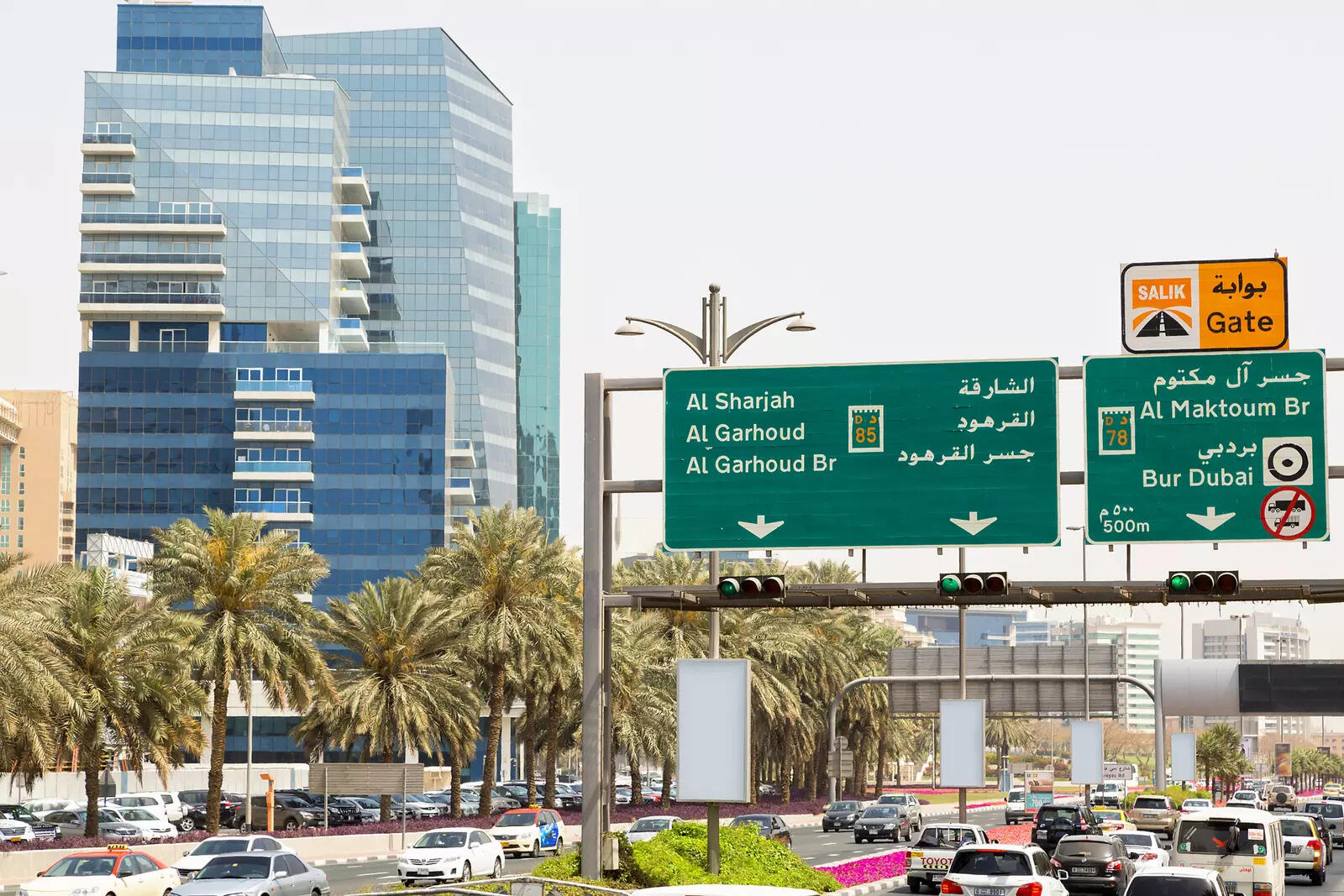
Fasting behind the wheel in Dubai or Sharjah, UAE during Ramadan 2026? Read this first
Dr. Al-Sisi noted that the period immediately before iftar (the sunset meal for breakfast) is particularly dangerous because many drivers feel rushed or upset to get home on time, a mindset that can lead to more risky driving behaviors. The same time frame appeared in accident data to coincide with a sharp rise in road accidents, particularly between 12pm and 6pm, with the 2pm to 4pm window being particularly vulnerable to collisions.Local social media reactions confirm these concerns, with commuters commenting on a noticeably different driving mood during Ramadan, including impatience, fatigue and frustration on the road that can exacerbate dangers on already congested highways.
United Arab Emirates Traffic patterns and peak hours at risk during Ramadan 2026
It’s not just medical opinion that highlights the risks, as separate analyzes of accident patterns across the UAE have shown that road accidents tend to rise in the hours before iftar.
Insurance claims data from previous years indicate that drivers aged 36 to 40 are among those most affected, with a clear trend of increasing accidents as fasting drivers feel physically exhausted and under time pressure.
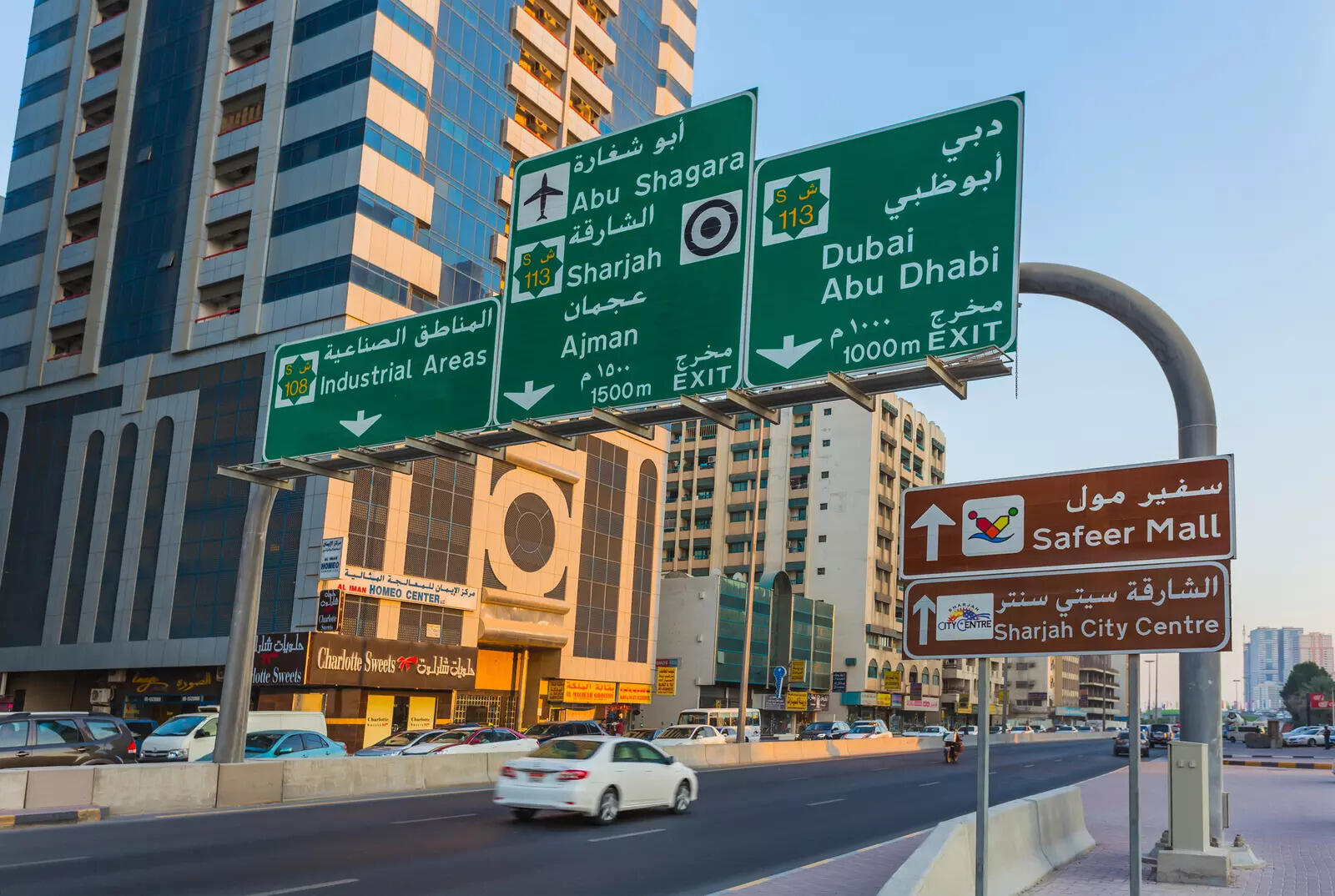
Ramadan fatigue on UAE roads: Doctors and safety officials warn against driving while fasting
Authorities also noted that road safety challenges during Ramadan go beyond fasting factors. Early work finish times, heavy mid-afternoon traffic, and the stress of arriving at destinations before sunset all combine to create a uniquely dangerous period for drivers.
Official road safety advice for fasting drivers in the UAE
To mitigate these increased risks, both medical experts and police departments across the UAE offer practical, multi-layered advice:
- Prioritize comfort – Ensuring 6-7 hours of sleep can help reduce daytime fatigue. Sleep deprivation combined with fasting increases the likelihood of dangerous lapses in concentration behind the wheel.
- Plan travel times strategically – Leaving early in the day, especially to avoid peak hours in the afternoon and before breakfast, can reduce stress and exposure to periods when driver performance typically declines.
- Take breaks and stay calm – Short mental breaks during heavy traffic and calm driving habits, such as avoiding aggressive acceleration, maintaining safe distances, and breathing exercises to control irritability, are encouraged.
- Suhoor and hydration options – A balanced suhoor meal that contains complex carbohydrates (whole grains, oats), protein (eggs, yoghurt, nuts) and adequate water helps maintain stable energy levels during fasting. Doctors recommend avoiding heavy, sugary, salty or fatty foods that lead to energy collapse.
- If you feel dizzy or extremely tired, stop driving – The medical advice is clear: if you feel dizzy, extremely tired or lose concentration while driving, the safest option is to stop and rest rather than continue.
Besides individual medical guidance, road safety initiatives across the UAE, including traffic awareness campaigns conducted by Sharjah Police and other emirate forces, urge motorists to adopt more cautious driving behaviours, especially in residential areas and before breakfast time.
The police explicitly called on drivers to slow down, reduce speed in common areas, and resist the urge to rush, stressing that arriving safely is more important than arriving quickly.These campaigns coincide with road safety measures during the month of Ramadan, which highlight the risks associated with irregular meal and sleep schedules, as well as the psychological pressures that can affect driving habits while fasting. While fasting drivers face unique challenges during Ramadan, authorities stress that everyone on the road, whether fasting or not, needs to be extra careful.
Defensive driving, patience and planning are essential in all areas, especially when traffic volumes increase and environmental conditions change due to changes in work hours and social routines during the Holy Month.Road safety during Ramadan is not just a matter of individual skill; It is about understanding how human physiology and social patterns change during this period and modifying behavior accordingly to protect all road users. While medical and traffic experts repeat their warnings, the overarching message is clear: safe driving requires awareness, preparedness and, above all, patience.