More than four centuries after the Spanish treasure ship Nuestra Señora de Atocha disappeared under the waters off the Florida Keys, the legendary shipwreck has led to another remarkable discovery.
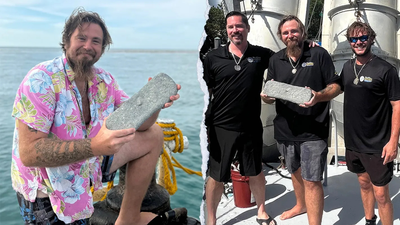
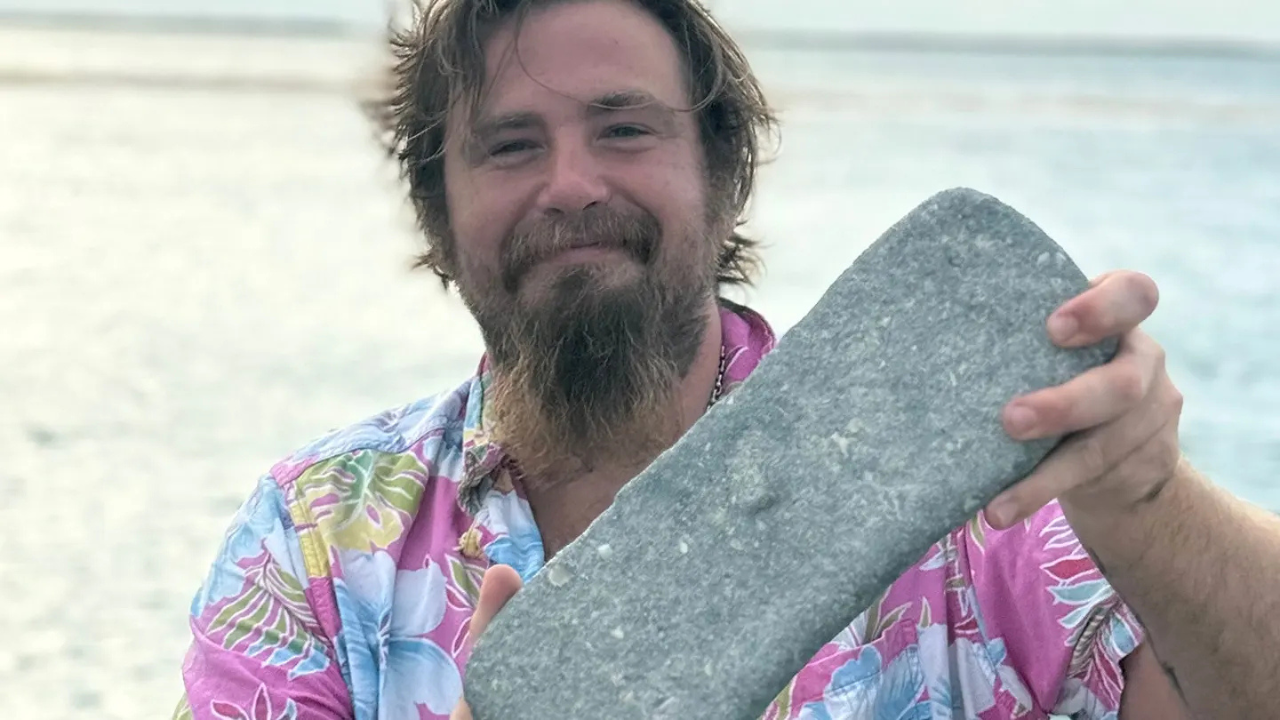
Divers with the Mel Fisher Shipwreck Expedition have recovered a 22.5-pound silver bar from about 50 feet underwater near Key West, marking the first silver bar recovered from the Atocha site since 1999. Estimated at between $50,000 and $100,000, the artifact is considered far more valuable for its historical significance. This discovery has reignited excitement around one of the world’s most famous treasure hunts, as historians believe that hundreds of valuable artifacts may still be buried under quicksand in the Florida Keys.
How Florida treasure hunters discovered a centuries-old silver bullion
The discovery was made by Captain Drake Nicholas and crew aboard the rescue ship DARE while surveying the seafloor around the Atocha wreck site. During the search, divers detected an unusually strong signal using an underwater metal detector, indicating the presence of a large metal object buried beneath layers of sand and marine sediment.To safely expose the object, the team used an air bridge, a specialized underwater excavation system that removes sand through suction while leaving the fragile artifacts undisturbed.
As the sediment was gradually removed, a large silver bar emerged from the sea floor. After spending more than 400 years underwater, the 22.5-pound rod was carefully brought to the surface.Although heavily covered in marine growth, the silver alloy remained remarkably intact. Restoration experts also identified a small notch on its upper deck, an incision made by Spanish officials in the early 17th century to test the purity of silver before loading it aboard the ship.
The artefact is now undergoing a careful conservation process to remove marine sediments and reveal any historical stamps or inspection marks that could identify the source of the silver.
The legendary shipwreck that still amazes historians
The Nuestra Señora de Atocha was the flagship of the Spanish Tierra Firme fleet, transporting vast amounts of wealth from the Spanish colonies in the Americas to Europe. Its cargo included silver bullion, gold, emeralds, coins, jewelry, copper, and other valuable goods destined for Spain.Shortly after leaving Havana in September 1622, the fleet encountered a devastating hurricane off the Florida Keys. The Atocha sank along with several other ships, claiming the lives of more than 260 people. The wreck remained lost for more than three centuries until American treasure hunter Mel Fisher located its legendary location “Mother lode” In 1985 after a 16-year search.The discovery became one of the richest underwater treasures in history, yielding hundreds of silver bars, thousands of gold and silver coins, emeralds and countless artefacts that provided an unprecedented glimpse into Spain’s colonial maritime empire.
Why is this silver ribbon of historical importance?
The newly recovered bullion is the first silver bullion recovered from the Atocha wreck site in nearly three decades, making it one of the mission’s most important discoveries in recent years. In addition to its estimated market value of $50,000 to $100,000, this artifact provides historians with a direct link to the Spanish Empire’s transatlantic trade network.Once the preservation process is complete, researchers hope the piece will reveal official stamps, mint marks, or examiner inscriptions that can identify the mine where the silver was extracted and the colonial foundry where it was refined.
Such details help historians reconstruct trade routes, mining operations, and merchandise management practices from the early 17th century.Each documented artifact recovered from Atocha contributes another to the historical record, helping researchers better understand one of the most valuable treasure fleets ever assembled.
Experts believe there are still more treasures under the Florida Keys
Despite decades of exploration, historians and expedition leaders believe that Atocha only delivered part of its cargo.
Historical shipping data indicates that hundreds of silver bars, thousands of silver coins, emeralds, and many other artifacts may still be scattered across the nearby Atocha and Santa Margarita wreck sites.The seafloor in the Florida Keys is constantly being reshaped by hurricanes, ocean currents, and shifting sands. Objects buried beneath the seafloor can remain hidden for decades before storms uncover them again, allowing modern research equipment to uncover previously inaccessible treasures.The expedition recently recovered several silver coins from the wreck site, reinforcing the belief that the area still contains significant undiscovered artifacts more than 400 years after the ship sank.More than 400 years after Nuestra Señora de Atocha disappeared beneath the waves, the latest discovery is a reminder that history is still hidden beneath the Florida Keys. For historians, archaeologists and treasure hunters alike, each artifact recovered from the legendary shipwreck offers a new insight into Spain’s colonial past and the vast treasure fleets that once crossed the Atlantic. With historical records indicating that hundreds of silver bars, thousands of coins and countless other valuables remain undiscovered, Atocha continues to prove that one of the greatest treasure hunts in history is far from over.