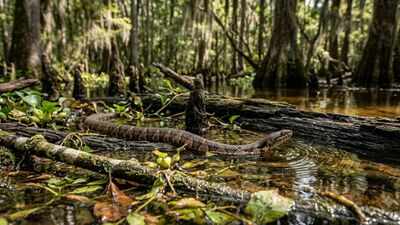
South Carolina is a state built around water. From its coastal lowlands with beaches and wetlands to the rivers and lakes scattered throughout the forested landscape, the state abounds with bodies of water that offer opportunities such as fishing, boating, swimming and camping.
But along with the wildlife that most visitors welcome, these waters also attract something more divisive.South Carolina holds many species of snakes, from harmless non-venomous snakes like the common water snake to the dangerous eastern copperhead snake.
The most eel-filled waters in South Carolina
| Rank | river | Types of snakes |
| 1. | Savannah River | Timber snake, green water snake |
| 2. | Great Pee Dee River | Banded water snake |
| 3. | Congaree River | Black rat snake, green rough snake, red-bellied water snake, black racer, northern brown snake, and eastern mouth snake. |
| 4. | Lake Murray | Eastern king snake, scarlet king snake, southern black racer, scarlet snake, eastern whip snake, green rough snake, eastern corn snake, eastern ribbon snake, and eastern garter snake. |
| 5. | Lake Hartwell | Water Snake, Rat Snake, Brown Dickies Snake, and Ring-necked Snake |
| 6. | Ice Basin | Cottontail snake, red-bellied water snake, banded water snake, and brown water snake |
Snake-filled rivers and lakes in South Carolina
1. Savannah River
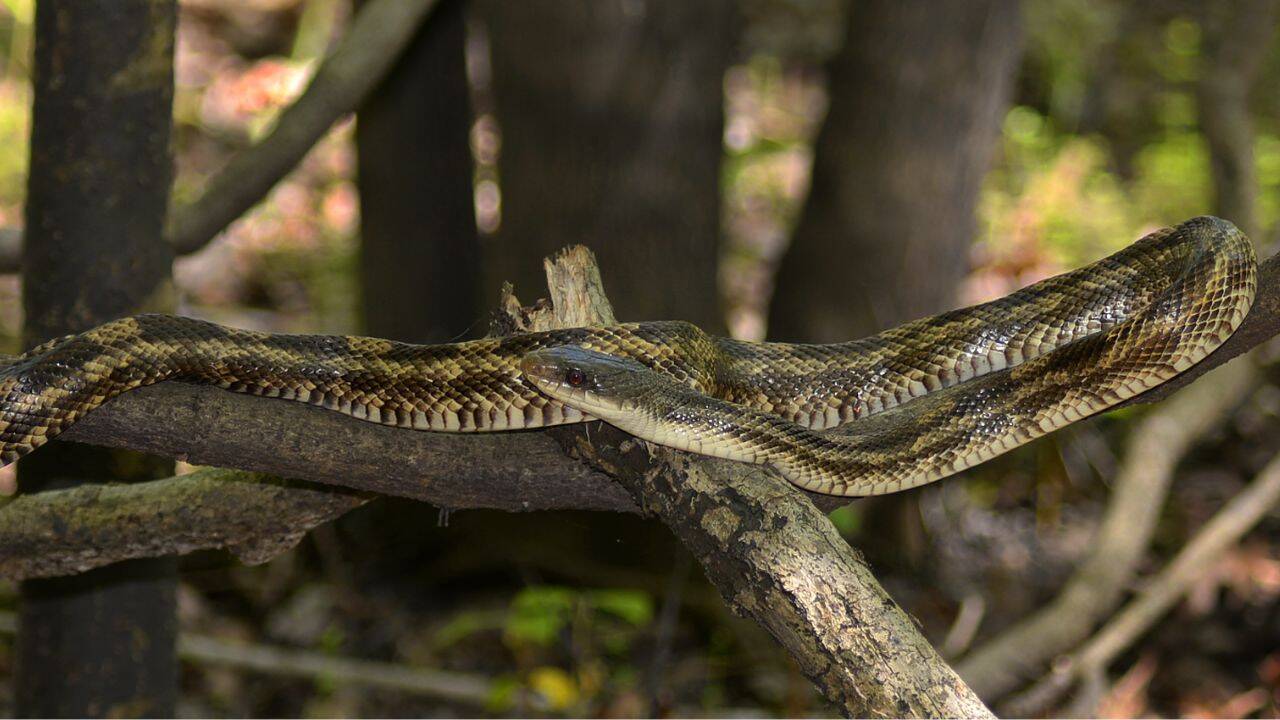
The Savannah River is one of the major rivers in South Carolina, flowing from the Blue Ridge Mountains all the way to the Atlantic Ocean. It extends about 300 miles through South Carolina and Georgia, with multiple tributaries including the Seneca River.Among all the wild animals, snakes are found in abundance. The most common species in the nearby Savannah National Wildlife Refuge are the wood snake and green water snake.
2. The Great Pee Dee River
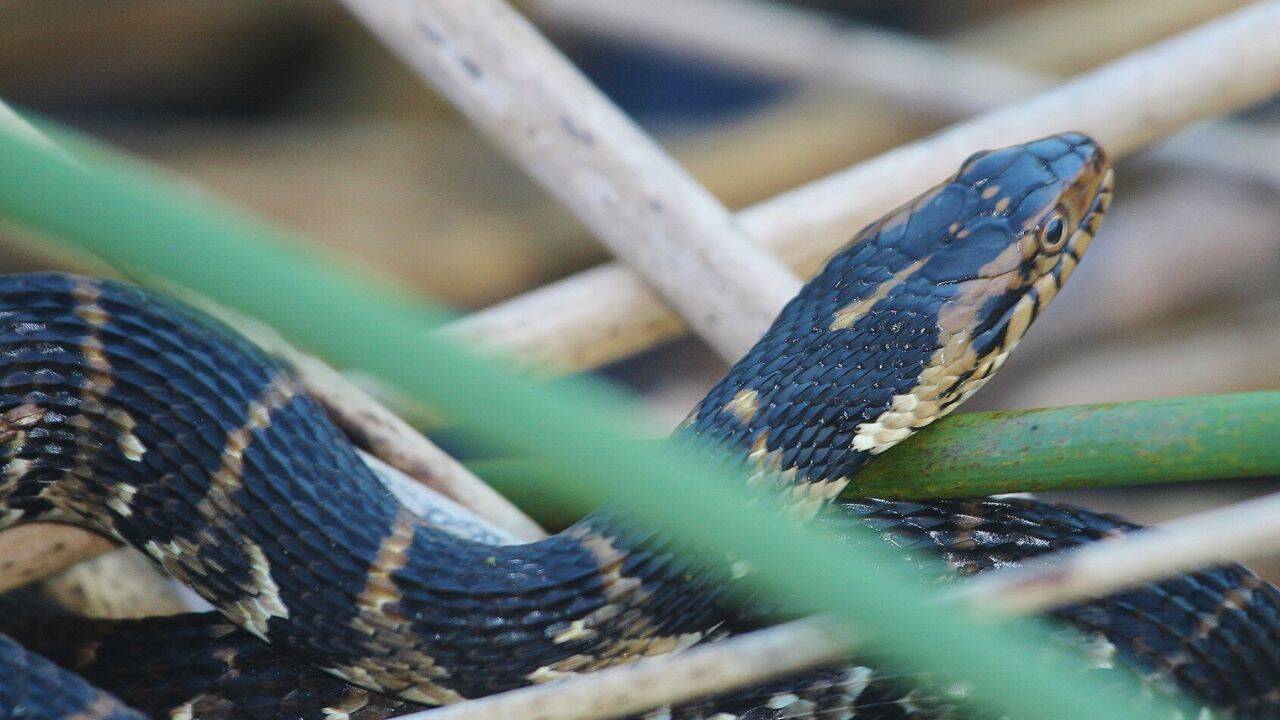
The Great Pee Dee River flows through South Carolina. Stretching through forested wetlands and farmland, it has long been an essential waterway for commerce, recreation and wildlife.The banded water snake is one of the most popular species along the Pee Dee River.
The banded water snake is active during the day and night in aquatic habitats. However, they mostly rely on fish as their primary food source, and dive into the water to hunt.
3. Congaree River
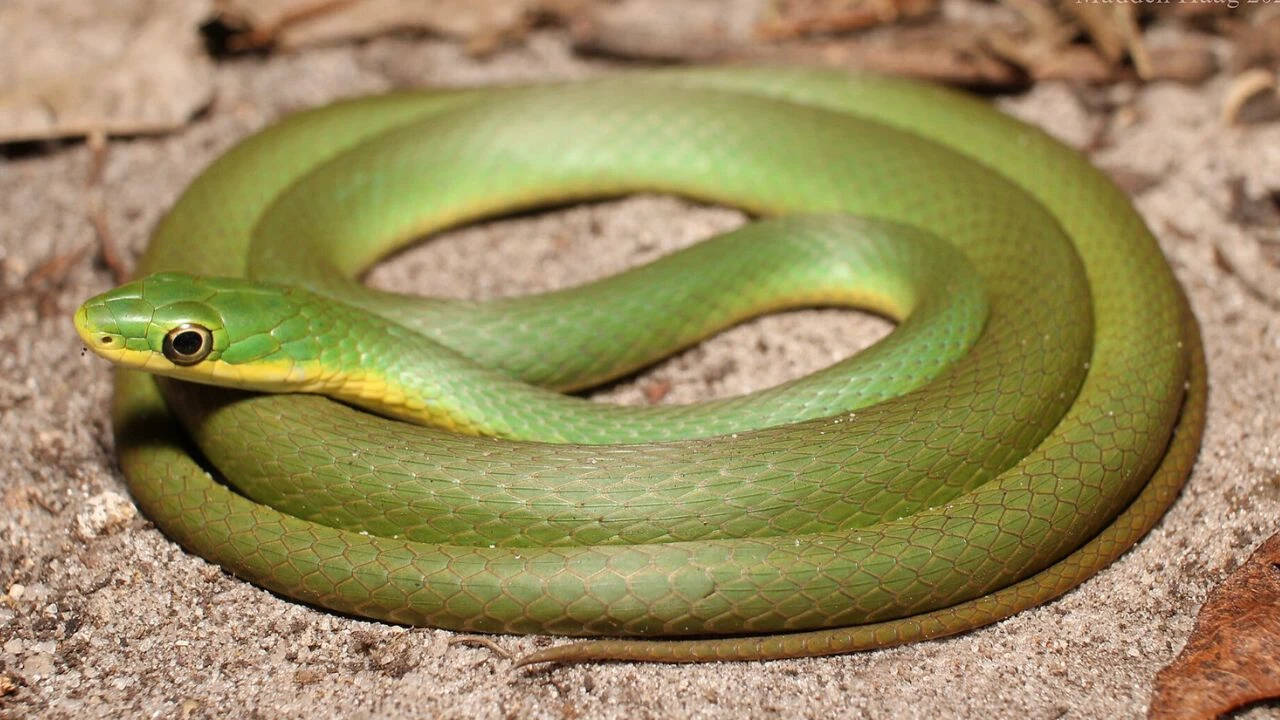
The Congaree River flows through the heart of the Congaree River and is the designated waterway of Congaree National Park. The park protects the largest intact area of ancient bottomland hardwood forest remaining in the southeastern United States.The swampy floodplain formed by the Congaree and Wateree Rivers creates saturated soils, lakes and swamps that support high concentrations of water snakes. The snake species found are: black rat snake, green rough snake, red-bellied water snake, black racer snake, northern brown snake, and eastern cottonmouth snake.
4. Lake Murray
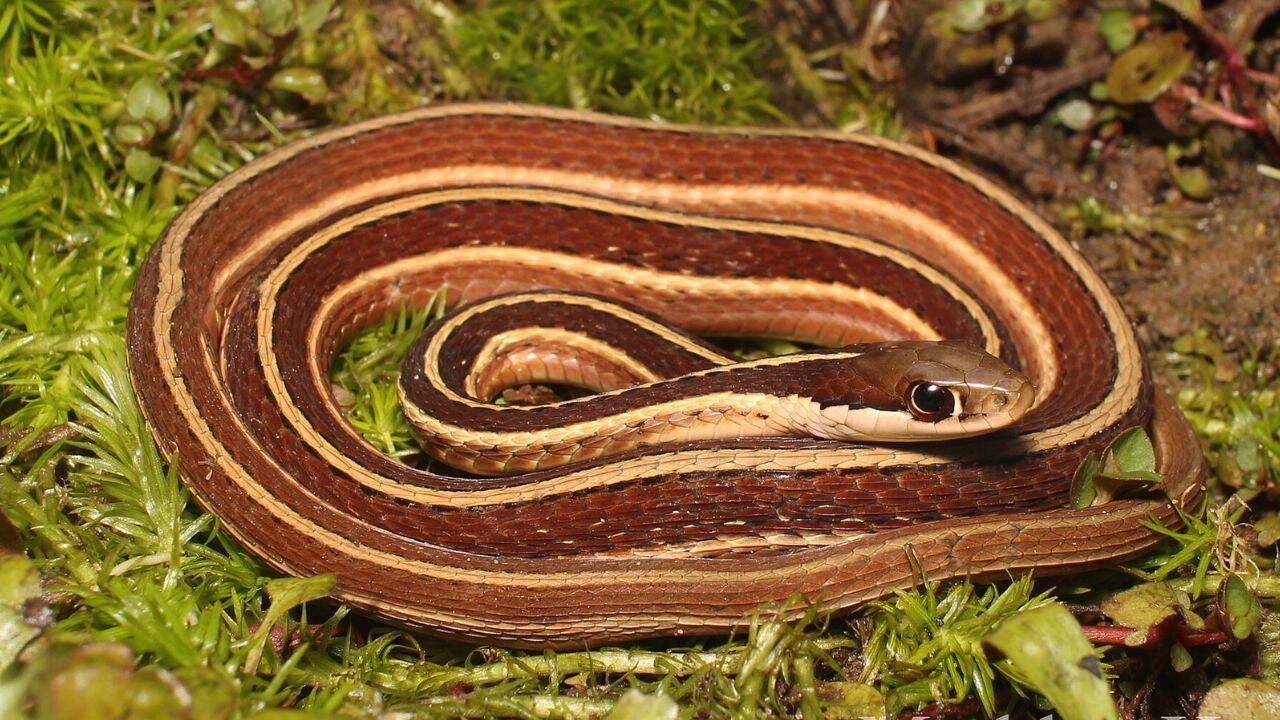
Lake Murray is located in central South Carolina making it one of the largest reservoirs in the region. The lake is also home to several islands, which provide undisturbed nesting sites, fewer predators, and an abundance of birds and their eggs for the snakes to feed on. Non-venomous species here include the eastern king snake, vermilion king snake, southern black racer, vermilion snake, eastern whip, green rough snake, eastern corn snake, eastern ribbon snake, and eastern garter snake.Venomous snakes have also been found around Lake Murray, including the pygmy rattlesnake, timber rattlesnake, northern copperhead rattlesnake, and eastern cottonmouth.
5. Lake Hartwell
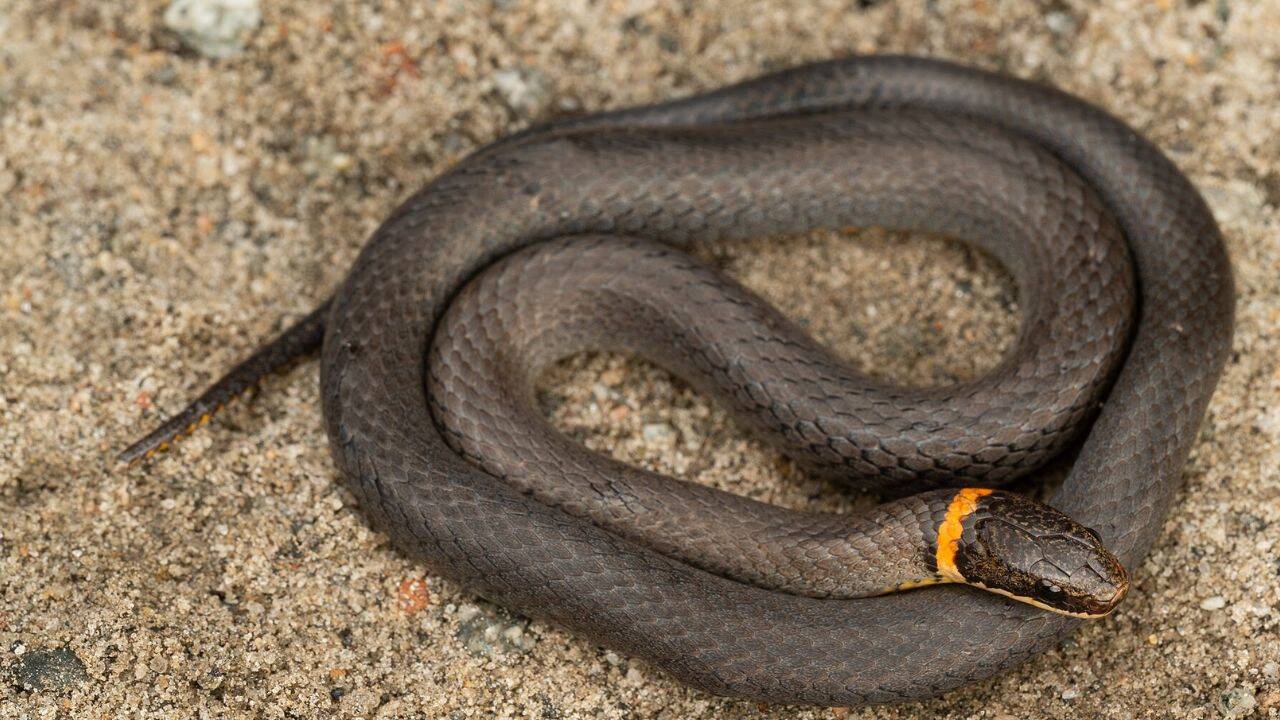
Lake Hartwell is located on the border between South Carolina and Georgia. It is one of the most popular recreational lakes in the area. Most species here are poisonous. Brown water snakes and northern water snakes are the most abundant. The water snake, rat snake, brown dick snake, and ring-necked snake are also commonly seen.
6. ACE Basin
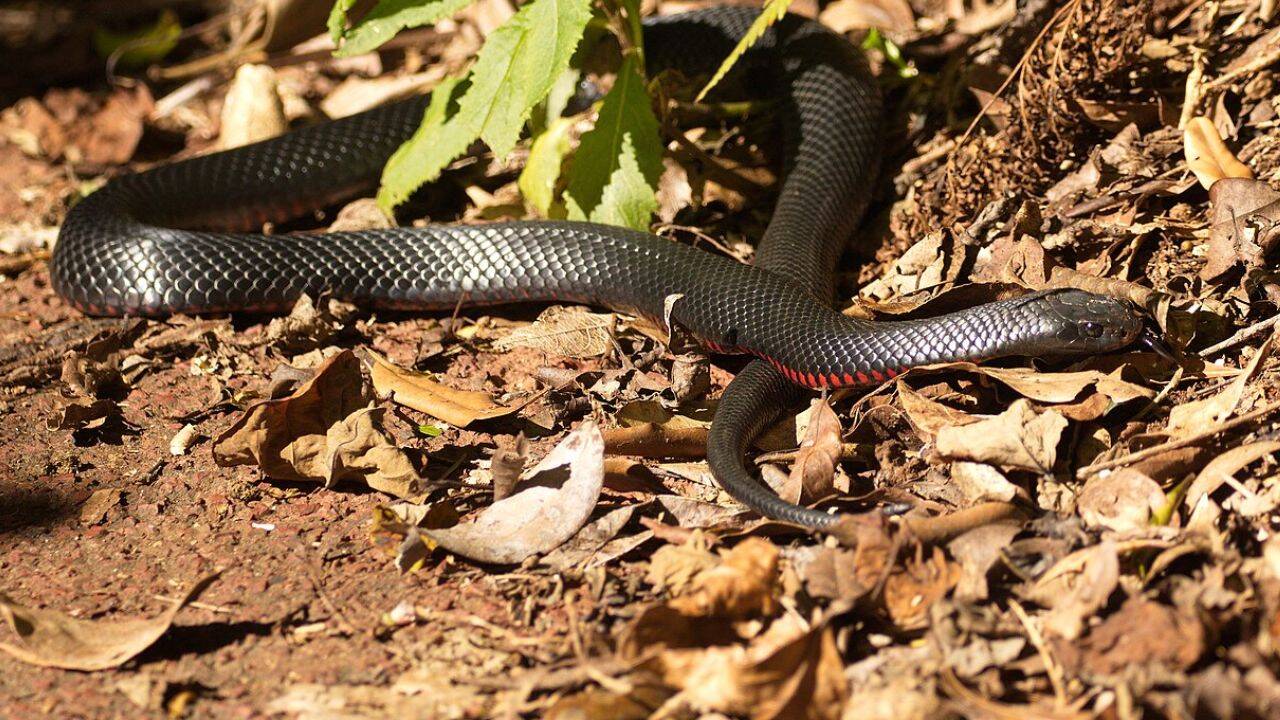
It is located near the Atlantic coast. These include the cottonmouth snake, red-bellied water snake, banded water snake, and brown water snake.
Eastern Diamondbacks are strong swimmers in this area and have also been known to enter salt water to navigate barrier islands alongside marshes.
Why are South Carolina’s waters so attractive to snakes?
Snakes are cold-blooded animals and thrive in warm environments. South Carolina’s combination of warm rivers, expansive wetlands, protected beaches, and abundant prey makes it one of the most snake-friendly states in the country. Most of the state’s native snake species are mostly harmless and truly beneficial to the ecosystems in which they live.They serve as prey for birds while also being skilled predators. Snakes also help limit the spread of disease to humans by managing these same populations. The species that require real caution are the venomous ones: primarily the cottonmouth, copperhead, and rattlesnake, all of which can cause serious harm if disturbed.