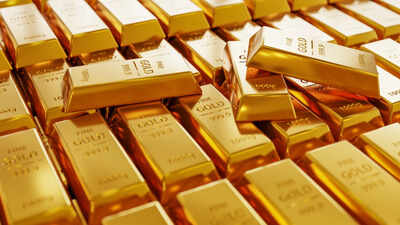
Why gold never loses its luster has finally been explained
For thousands of years, humans have valued pure gold because it remains bright and shiny without becoming dull. Now, scientists have discovered that gold has a little self-protection system that prevents oxygen from damaging its surface.The breakthrough comes from researchers at Tulane University, who found that atoms on the surface of gold spontaneously rearrange themselves into patterns that prevent chemical reactions. This natural shield slows the oxidation process by up to a trillion times, solving the long-standing mystery of why the precious metal has resisted tarnish for generations.The research team published their findings in Physical Review Letters, showing that gold’s famous durability comes from the physical arrangement of its atoms, not just its chemistry.
This discovery could change how manufacturers design gold-based catalysts, potentially creating new opportunities for industrial manufacturing and green energy.
Microscopic shield of noble metal
Scientists have long believed that gold does not lose its luster because it is a noble metal. Gold is at the bottom of the reactivity chain, and is one of the least reactive elements known. Their unique electronic configuration gives them an extremely stable outer shell, meaning they do not easily lose electrons or react with oxygen, water, or common pollutants.
The Tulane University team wanted to understand this stability at the atomic level. The metal plays an active role in keeping it clean, said Matthew Montemore, an associate professor of chemical engineering at Tulane University.“People generally believe that gold does not tarnish because it simply does not react strongly with oxygen,” Montemor said. “What we show is that for two of the most common types of gold surface, the surface atoms rearrange themselves in a way that makes the gold more resistant to oxidation.”To study this behavior, Montemor and co-author Santo Biswas, a postdoctoral fellow, used advanced computer simulations to track how electrons and atoms behave when exposed to oxygen molecules. They focused on two common structures found on gold surfaces.The models revealed a dynamic process. Without this atomic rearrangement, oxygen molecules would easily split on the metal surface and cause it to oxidize.
By transforming into these protective geometric patterns, the surface atoms create a barrier that completely prevents oxygen from binding to the gold. This rearrangement slows the tarnish process by a billion to a trillion, allowing objects made of pure gold to maintain their original luster for a very long time in everyday conditions.
How do industrialists trick gold so that it does not spoil?
While this atomic shield explains why ancient gold coins and modern jewelry remain bright, it also creates a challenge for industrial chemistry.Gold-based catalysts are appreciated because they speed up chemical reactions, especially in manufacturing and environmental technology. However, the same mechanism that prevents gold from reacting with oxygen also makes it less effective in some chemical processes.Industries currently use gold and palladium catalysts to manufacture vinyl acetate, a major chemical used in plastics. Researchers are also testing gold catalysts to remove toxic carbon monoxide from automobile exhaust systems and produce propylene oxide for industrial use.“If you can trick gold into separating oxygen, it can actually become a very effective catalyst for certain reactions,” Montemor said. “Our work suggests a new strategy to do this by preventing or reversing surface rearrangement.”Traditional methods for improving gold catalysts include mixing gold with other metals or using small gold nanoparticles on oxide surfaces. The Tulane study suggests a different approach.
By learning how to control the shape of gold’s surface, chemical engineers may be able to prevent atoms from forming their own protective shield, making the metal more reactive when needed for clean energy technologies.
Why does gold still change color every day?
The discovery that pure 24-karat gold never tarnishes also explains why many jewelry owners notice black spots or green marks on their favorite pieces.Pure gold is highly resistant to pool chlorine, air pollution, cosmetics, and sweat, but it is also very soft.
Because 24-karat gold bends and scratches easily during daily wear, jewelers rarely use it in its pure form. Instead, they mix it with harder base metals to make stronger alloys.
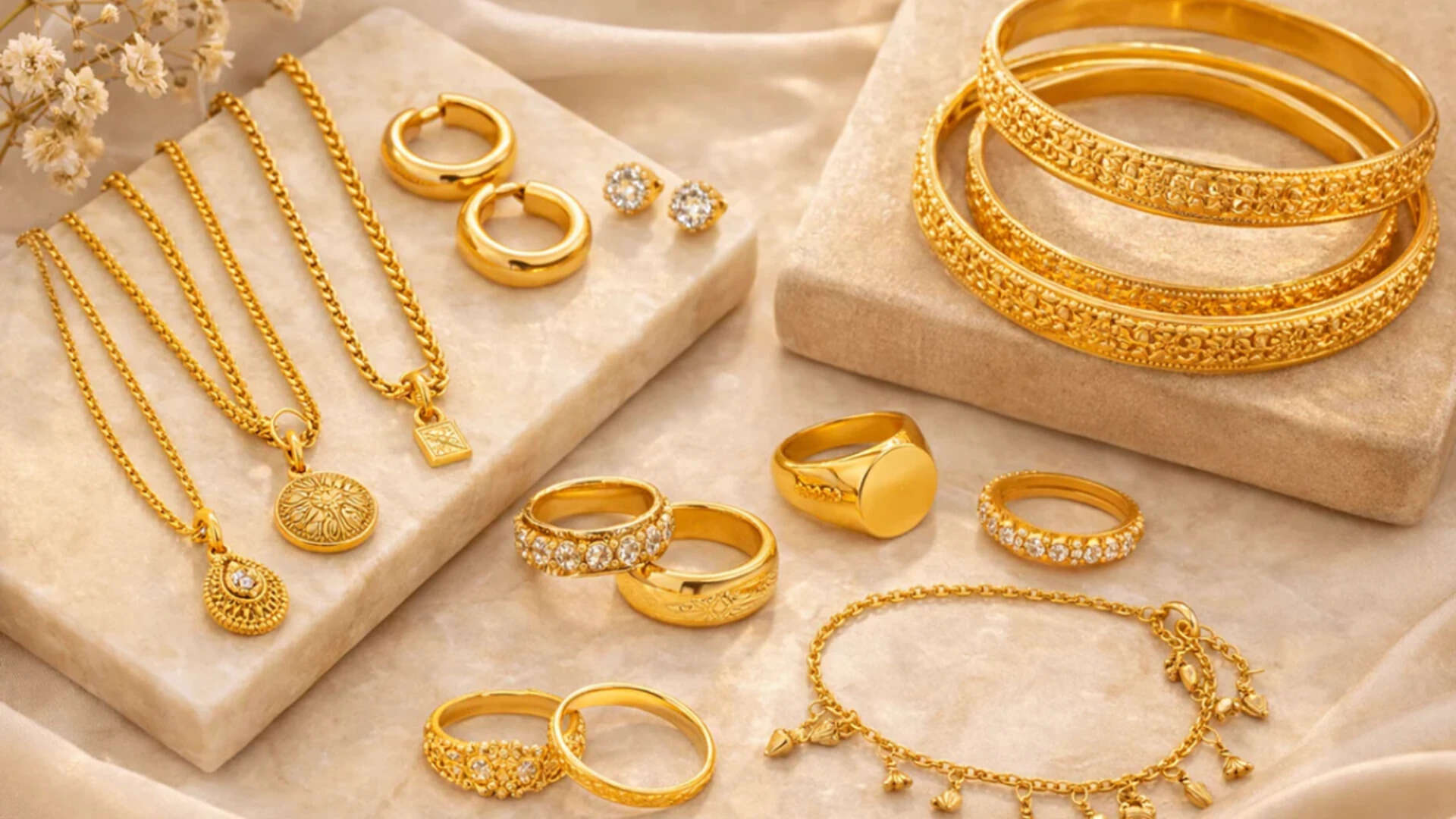
Gold jewelry
These added metals change how jewelry interacts with the environment:
copper: Used to create the warm color of rose gold, copper darkens and turns brown or green when exposed to sulfur and sweat.silver: When added to balance yellow tones, silver reacts easily with sulfur compounds in the air, creating a dark gray or black layer.Zinc and Nickel: These metals are used in white gold and yellow gold to increase hardness, and can oxidize over time and leave green marks on highly acidic leather.The chance of jewelry becoming discolored depends on its karat rating, which shows how much pure gold it contains. An 18-karat piece is made up of 75% pure gold, leaving only 25% for the alloy metals. In comparison, 14-karat gold contains 58.3 percent gold, while 10-karat gold contains only 41.7 percent.Because low-carat jewelry contains more copper, silver, or zinc, it tarnishes faster when exposed to moisture, household cleaners, and everyday air.
Alloy management and chemistry
A person’s body chemistry also affects how quickly these metal alloys react. Human sweat contains different levels of salts and acids. People with more acidic skin often notice that their rings and bracelets tarnish within months because their natural oils combine with sweat to create a more corrosive environment for the copper and silver.Regular exposure to household products speeds up this process. Ammonia-containing cleaners, heavy lotions, perfumes, and hairspray leave a chemical residue that reacts with the alloy metals on the surface.Swimming pools and hot tubs pose a greater risk. Heat and chlorine weaken the molecular bonds in low-karat gold, gradually reducing the strength of jewelry over time.White gold faces a different problem. Goldsmiths coat white gold with a shiny metal called rhodium to give it a silvery finish.
As the jewelry is worn, this coating slowly rubs off, revealing the slightly yellow gold alloy underneath. This patchy color is caused by corrosion rather than chemical tarnishing.
How can one make gold last longer?
Knowing the difference between surface dirt and chemical tarnish helps people properly care for their jewelry. Daily dirt, cosmetics and oils create a dull layer on the surface without changing the metal itself. True tarnishing causes a chemical change, resulting in dark spots or discoloration around prongs, engraved details, and edges.If gentle washing with warm water and a few drops of mild dish soap removed the dark layer, the problem was simply dirt. If discolouration remains, the alloy metal has been tarnished.
Jewelry experts recommend some simple ways to protect low-karat gold pieces:
Separation: Store gold jewelry in separate soft cloth bags or in padded compartments to prevent scratches from hard gemstones such as diamonds.environment: Keep jewelry boxes in cool, dry places. Avoid bathrooms because… High humidity causes low-gauge alloys to oxidize more quickly.Chemical barriersApply skin care products, perfumes, and hairspray before putting on jewelry to reduce direct contact with chemicals.Absorbent materials: Use tarnish-resistant tapes or special storage bags that absorb moisture and harmful gases inside jewelry boxes.For deep or stubborn tarnish on 10-karat or 14-karat gold, a specialized gold polishing cloth or a short soak in a solution of six parts water to one part ammonia can help remove the discoloration. Abrasive kitchen cleaners, baking soda pastes, and paper towels should be avoided as they leave permanent micro-scratches on smooth gold surfaces.