
In a strange development in the world of ride-hailing services, a group of Chinese drivers have resorted to using terrifying selfies to scare passengers into canceling their trips, allowing them to collect cancellation fees. Furthermore, some drivers may begin their trips only to leave without passengers or simply miss work, resulting in additional penalties.
In 2016, a strange and disturbing scam began appearing on ride-hailing apps in China. Riders booking their rides through Uber are starting to notice something strange. Driver profiles intended for capture often showed disturbing, distorted, or zombie-like faces.What initially seemed like a glitch or prank quickly turned out to be a calculated scam.The so-called “ghost drivers” were not supernatural, but real drivers exploiting a loophole in the system. Their goal was simple. They wanted passengers to cancel their flights out of fear, allowing them to collect cancellation fees without ever showing up.The scam was reported in several major Chinese cities, including Tianjin, Qingdao, Chengdu, Beijing, Shanghai and Suzhou.
According to local media and international reports at the time, the method relied heavily on psychology.When a passenger books a ride, the app displays the driver’s profile photo, as well as details such as the vehicle and number plate. In many cases, the images used by these drivers were deliberately disturbing. Some of them looked heavily edited, distorted, or even horror-themed. Due to current safety concerns regarding ridesharing, many users have chosen to cancel the trip immediately.
This decision came at a cost.
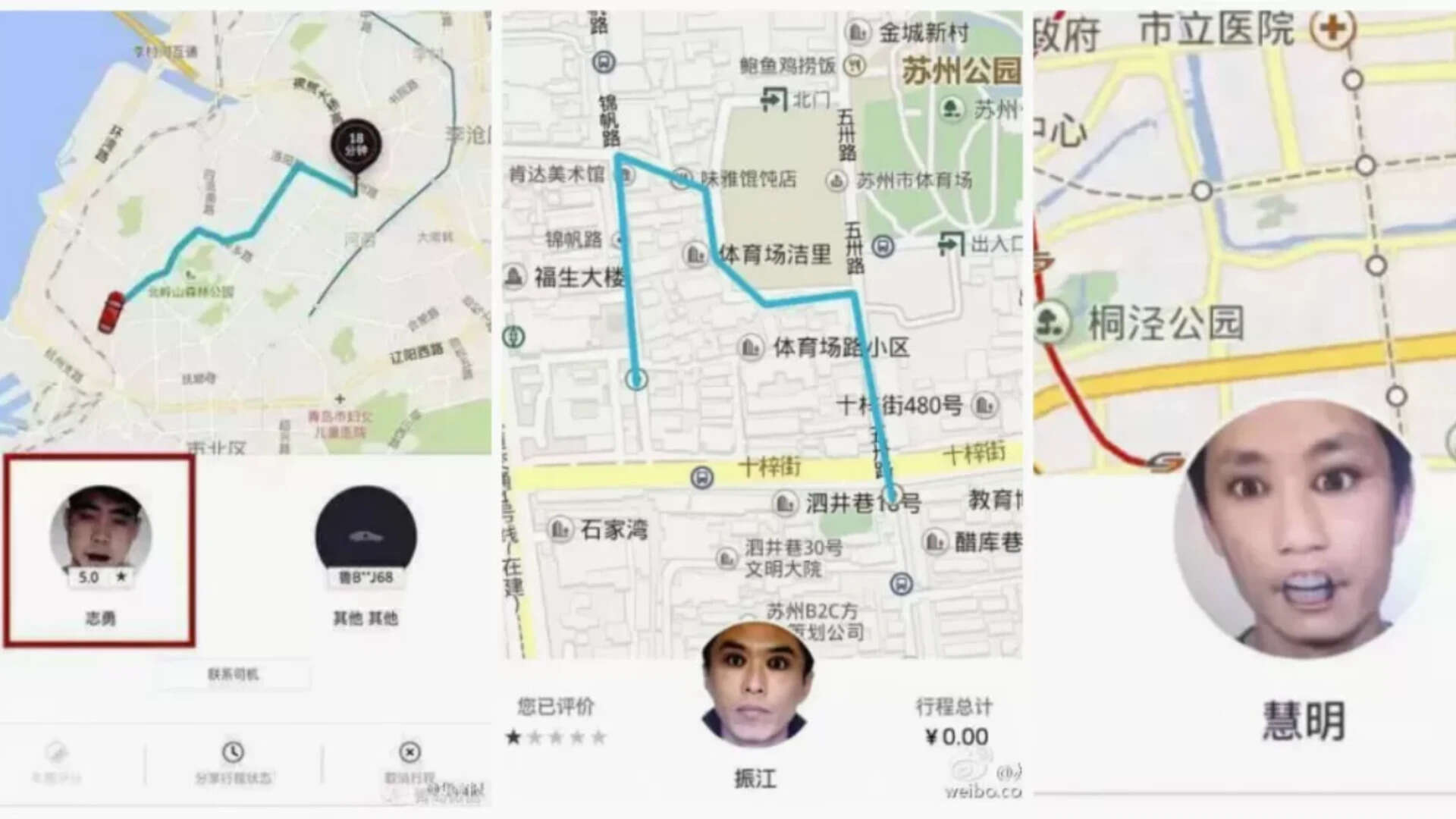
Canceling a flight before pick-up will usually incur a small fee, often just a few RMB (Chinese currency). Although the amount was small, the scale of the scam made it profitable. If this happens multiple times a day, drivers can earn money without completing a single trip.The plan did not stop there. Drivers used additional tactics if passengers did not cancel the trip out of fear.One method involves starting the trip without the passenger getting into the car.
These “ghost tours” allowed the driver to record a completed trip and collect the fare. Another tactic is to accept a ride request and then simply not show up. The passenger, left waiting, will eventually cancel and pay the fee again.In some reported cases, users described situations in which the app showed the driver’s vehicle approaching or even passing their location, even though no vehicle was seen. A passenger from Shandong Province told the Financial Times: “It was night, and from the driver’s position I was expecting the driver to arrive very soon.
The map showed that the driver had just passed me, but there was no car around me. The road was very narrow and no car could pass me without seeing it.
“This issue has received attention at a sensitive time for Uber in China. The company has been struggling financially in the country, reportedly losing about $1 billion a year. In August 2016, Uber merged its China operations with local rival Didi Chuxing, effectively ending its independent operations in the market.Even during the merger, the ghost driver issue highlighted the challenges of managing a large, decentralized driver network.Uber has publicly acknowledged the problem. The company stated that it has “zero tolerance for fraudulent behavior” and said it is actively investigating the issue. It also confirmed that it has begun blocking accounts linked to fraudulent activity.“We took immediate action and blocked individual reported fraudulent accounts while continuing to investigate and crack down on any fraudulent behavior to protect the interests of riders and drivers,” an Uber spokesperson said at the time.To prevent such frauds, Uber has already introduced a facial recognition system for drivers in China. This system is designed to ensure that the person driving the vehicle matches the registered account holder. However, the ghost driver scam showed that identity verification alone was not enough to stop platform manipulation.The company also said it is refunding customers who reported being affected and is collecting evidence to better understand the extent of the problem.Reports indicated that the scam may not have been isolated incidents but part of a broader pattern. The use of similar tactics in multiple cities raised concerns that drivers were sharing methods or coordinating behavior.The episode also highlighted a broader issue in the passenger transportation industry. Digital platforms rely heavily on trust, both in the driver and the system itself. When this trust is undermined, even small frauds can have a significant impact on user trust.While the financial loss to individual passengers was usually minimal, the experience itself was troubling. The combination of scary images, missing drivers, and unexplained fees has created a feeling of unease among users.In the years since, passenger carriers have tightened their regulations and provided stronger guarantees. However, China’s “delusional motives” remain one of the more bizarre examples of how technology platforms can be exploited in unexpected ways.What made the scam stand out was not just the fraud, but the method. Using fear and confusion, drivers have turned a simple cancellation feature into a profit-making tool. It was a reminder that even in highly controlled digital environments, human behavior can find vulnerabilities that can be exploited.