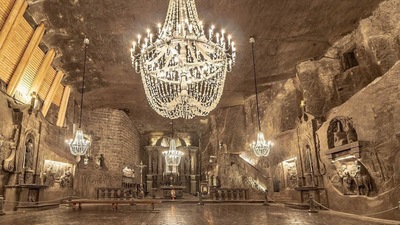
St. Kinga Church – the famous underground mine church carved from rock salt.
Beneath the city of Wieliczka in southern Poland lies one of the most extraordinary underground monuments in the world. The Wieliczka Salt Mine, in operation for more than 700 years, is a vast maze of tunnels, chambers, underground lakes and magnificent works of art carved from rock salt.
Together with the nearby Royal Bochnia Salt Mine and Wieliczka Saltworks Castle, it forms a UNESCO World Heritage Site documenting the development of European mining techniques from the 13th to the 20th centuries. Wieliczka is more than just a former mine, it is an underground world where history, engineering, religion and art come together beneath the surface of the earth.
Inside a salt mine in Poland that dates back more than seven centuries
Saltpeter mining in Wieliczka began in the 13th century and continued until commercial extraction ended in 1996.
During the Middle Ages, salt was one of the most valuable commodities in Europe because it was essential for preserving food before refrigeration. The mine became a major source of wealth for the Polish Crown, earning it the title of Royal Salt Mine and helping to finance the kingdom for centuries.Wieliczka’s importance extended far beyond salt deposits. It became one of the largest and most prosperous industrial enterprises in medieval Europe, employing generations of miners, engineers and craftsmen.
Over the centuries, continuous improvements in excavation, ventilation, drainage and transportation have transformed the mine into a remarkable record of Europe’s mining heritage.
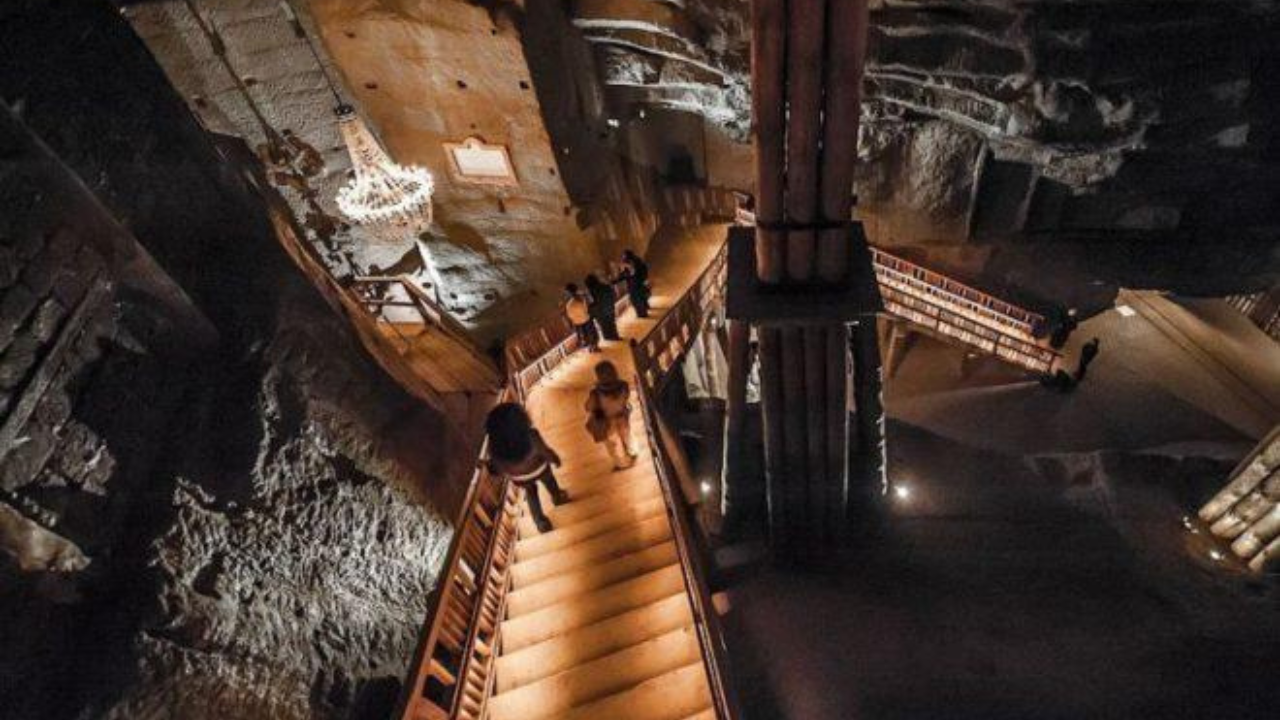
An underground city carved out of rock salt
Spread across multiple underground levels, the mine contains hundreds of kilometers of galleries, although only a small portion is available to visitors. Its spacious rooms, winding corridors, wooden supports, stairs and subterranean lakes create the impression of a hidden underground city rather than a traditional mine.
Exploring the complex reveals how generations of miners gradually expanded it into one of the world’s most fascinating underground landscapes.
Chapels carved entirely from salt
The most famous attraction inside the mine is the Church of St. Kinga, a massive underground church carved almost entirely from saltpeter. Its altar, floor, statues, intricate wall carvings and even many of its chandeliers are made of salt crystals. The church is still used for religious services, weddings and concerts, and displays the fine craftsmanship of the miners who transformed a working mine into a place of beauty and worship.
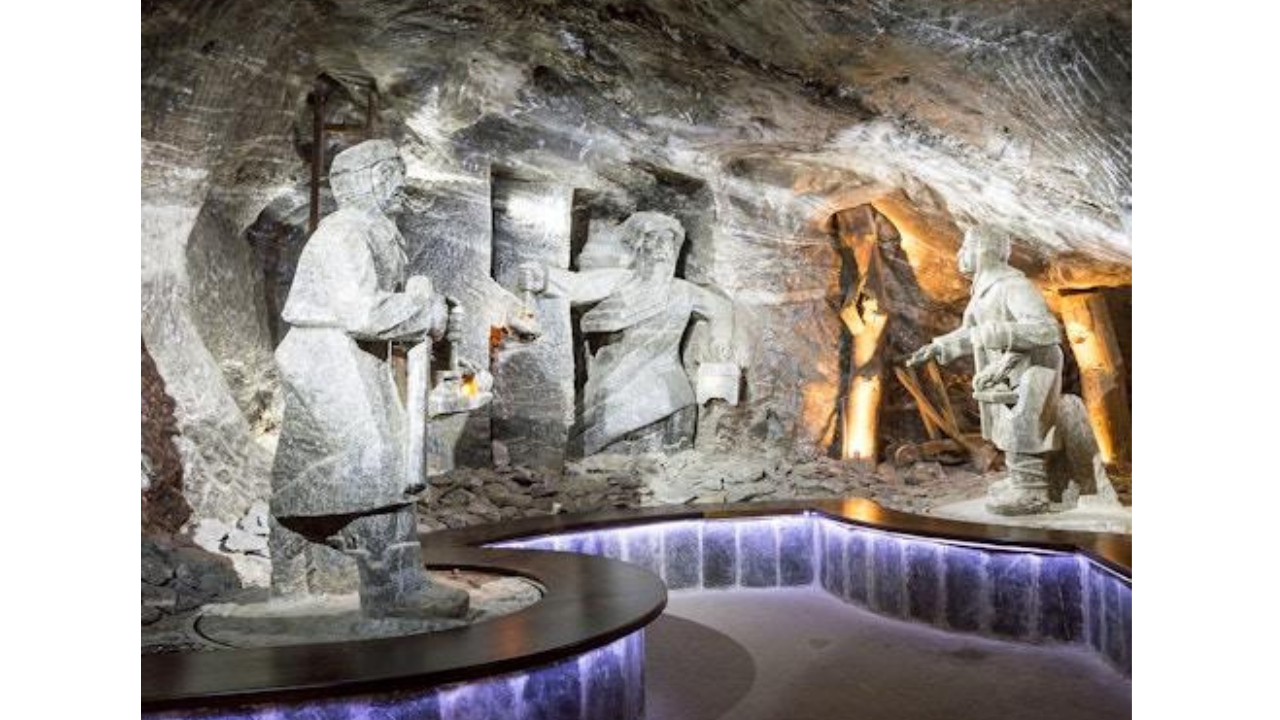
Sculptures created by generations of miners
Outside the church, the mine is filled with sculptures created by miners over hundreds of years. They carved saints, historical figures, and scenes from the Bible directly onto the salt walls, often during their spare time. These artworks not only display exceptional artistic skills, but also reflect the miners’ faith, traditions and daily lives, adding a rich cultural dimension to the underground complex.
Underground lakes and fantastic engineering
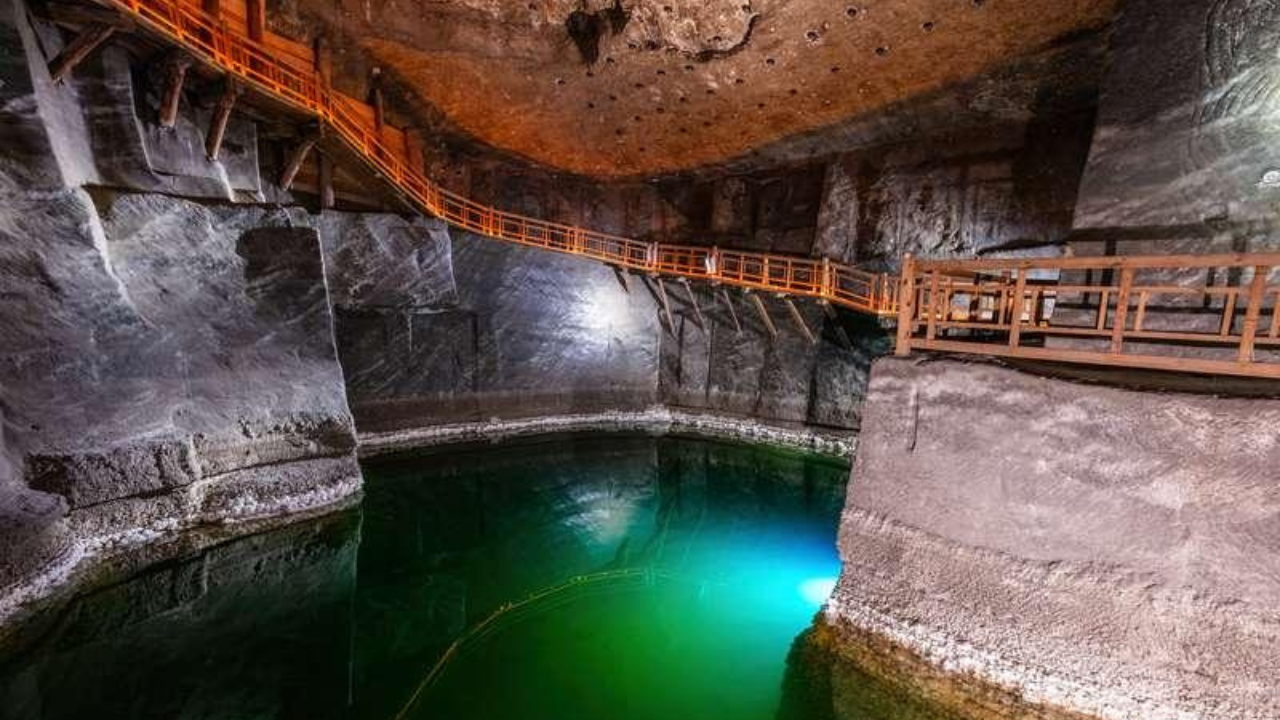
The mine is also home to several underground saltwater lakes, whose still waters add to the otherworldly atmosphere.
Visitors can also see centuries-old wooden reinforcements, ventilation shafts, sewer systems, and lifting equipment that demonstrates how miners safely extract salt from deep within the earth. Together, these preserved engineering features reveal the ingenuity that has kept the mine operating continuously for more than seven centuries.
UNESCO recognizes Wieliczka and Bochnia
Wieliczka Salt Mine was among the first 12 sites inscribed on the UNESCO World Heritage List in 1978.
In 2013, the list was expanded to include the Bochnia Royal Salt Mine and Wieliczka Saltworks Castle as one cultural property. UNESCO recognizes the complex because it provides an exceptional record of the development of European mining techniques from the 13th to the 20th centuries through its extensive tunnels, chambers, shafts and historic mining infrastructure.
The role of the Royal Bochnia Salt Mine
The Bochnia Royal Salt Mine, located about 40 kilometers from Wieliczka, is even older, as saltpeter was first discovered there in 1248.
Although small in size, it preserves different stages of mining technology and completes the history of Wieliczka. Together the two mines provide one of the world’s most complete records of continuous salt extraction and technological innovation spanning more than 700 years.
From working in a mine to world-famous attractions
Commercial salt extraction in Wieliczka ended in 1996, but the mine has since become one of Poland’s leading tourist attractions. Every year, visitors descend deep underground to admire the salt chambers, sculptures and lakes while learning about medieval mining techniques.
Parts of the mine are also used in specialist health programmes, as the underground microclimate is believed to benefit people with certain respiratory conditions.
An underground masterpiece
Today, the Royal Salt Mine Wieliczka and Bochnia are exceptional examples of how industry, art and history coexist. What started as a source in the Middle Ages “White gold” It has developed into one of Europe’s most famous cultural landmarks. With its underground chapels, lakes, sculptures and centuries-old architecture, the UNESCO-listed complex continues to offer visitors a unique journey through more than 700 years of human ingenuity and craftsmanship.