


Kamprad reused tea bags and ate in IKEA cafeterias, avoiding expensive dining options. (AP file photo)
Ingvar Kamprad built one of the largest furniture brands in the world, but his personal life looked very different from what many would expect from a billionaire.The IKEA founder, whose fortune was once estimated at $58.7 billion, was known for simple living.
He would buy clothes at flea markets, drive an old Volvo, fly economy class, and even take home free packets of salt and pepper from restaurants.Kamprad, who died in 2018 at the age of 91, often said that his lifestyle was influenced by the values he grew up with in southern Sweden. Even after turning IKEA into a global company, he still believed that spending money carefully was the right way to live.In a 2016 documentary on Swedish channel TV4, he said: “I don’t think I wear anything that wasn’t bought at a flea market.
I want to be a good role model.”His frugal habits went beyond buying used clothes. According to reports, he reused tea bags and preferred to eat at IKEA cafeterias rather than expensive restaurants.He also revealed that he avoided expensive haircuts. Speaking to the Swedish newspaper Sydsvenskan, Kamprad said the €22 he received for a haircut in the Netherlands was more than he wanted to pay.“The last time was in Vietnam,” he said, explaining that he usually cuts his hair during his visits to developing countries.
He continued to work at IKEA until he was 87 years old before stepping down. He died four years later.
Saving since childhood
Kamprad has often said that there is nothing unusual about the way he lives because he grew up in Småland, a rural county in southern Sweden where being careful with money was a way of life. “It is in Smaland’s nature to be frugal,” he said during the TV4 documentary.
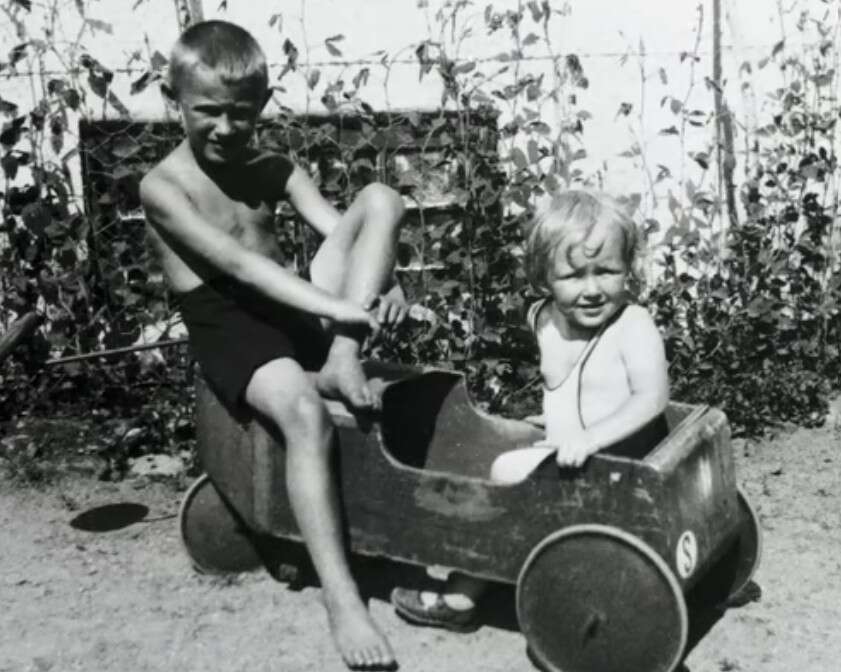
By the age of five, he was cycling to nearby rural villages, selling matches, belts and pens to the locals, and even selling fish to his grandmother! (Photo: Kamprad with his younger sister. Source: IKEA)
He founded IKEA in 1943 when he was just 17 years old. He started the business in Smaland and later grew into one of the largest furniture retailers in the world.The same thinking shapes company culture. In IKEA’s employee guidelines, Kamprad wrote that “wasting resources is a deadly sin at IKEA.”“We have smaland in the blood, and we know what a krona is, although not as much as it was when we bought candy and went to primary school,” he said, referring to the Swedish currency.
“Uncle Scrooge”
Kamprad’s petty habits earned him nicknames such as “Uncle Scrooge” and “Scrooge.”
While many admired his simple lifestyle, others felt he was over-saving.He also faced criticism for tax evasion during his lifetime.In his final years, questions were raised about his past links to fascist groups. The Swedish Security Police recorded his activities in 1943, the same year he founded IKEA. The case has remained a controversial part of his legacy.
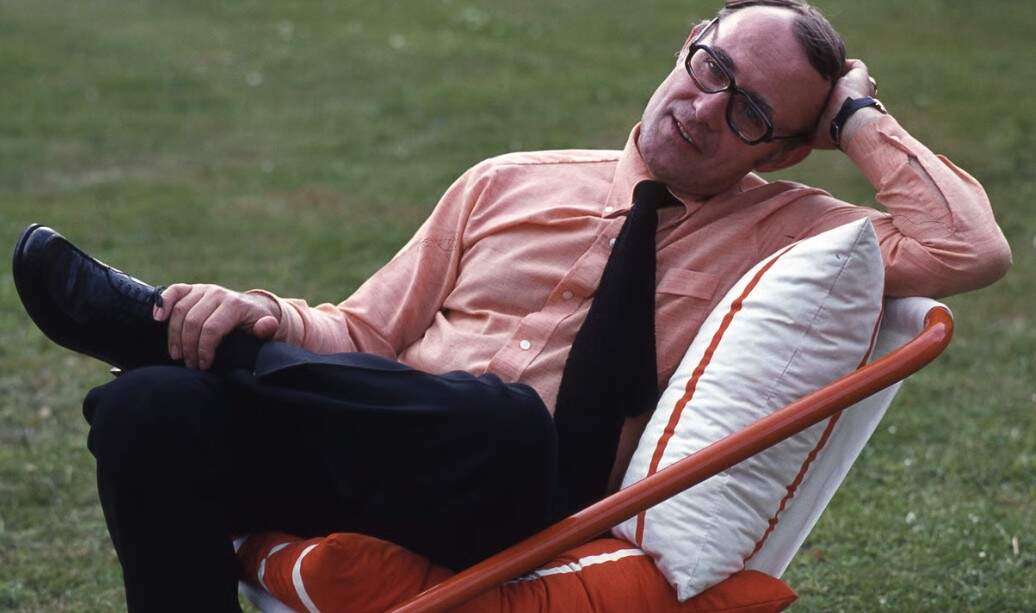
Its mission is to improve the daily lives of many people. (Image source: IKEA)
Not the only one
Kamprad was not alone in eschewing an extravagant lifestyle.
Many famous billionaires have spoken about choosing simple habits instead of spending heavily on luxury goods.Mitzi Perdue, a billionaire heiress connected to Sheraton Hotels and Perdue Farms, said she doesn’t even own a car. Instead, use the subway to travel.“The Hendersons and Perdue did not encourage extravagance,” she previously told Fortune. “Nobody wins points for wearing designer clothes.”Investor Warren Buffett has also become known for living modestly despite his enormous wealth. He still lives in the house he bought for $31,500 in 1958, drives a car more than 20 years old and keeps his breakfast spending low.“I’m not interested in cars, and my goal is not to arouse people’s envy. Don’t confuse the cost of living with the standard of living,” Buffett often said.