

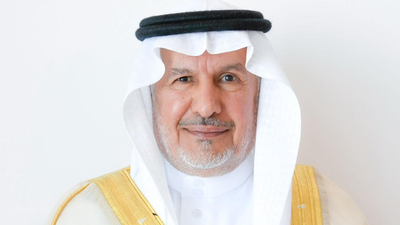
Dr. Abdullah Al-Rabiah/Photo: X
When families of conjoined twins are told that separation may be possible, many of them look to Riyadh, Saudi Arabia. At the center of these life-changing operations is Dr. Abdullah Abdulaziz Al-Rabiah, a Saudi pediatric surgeon who led one of the longest-running and most specialized conjoined twins programs in the world.Dr. Al-Rabiah was born on February 23, 1955. He studied medicine at King Saud University in Riyadh and obtained a Bachelor of Medicine and a Bachelor of Surgery in 1979. He then moved to Canada to specialize further. In 1986, he completed a fellowship in general surgery at the University of Alberta in Edmonton. In 1987, he received a fellowship in pediatric surgery from IWK Children’s Hospital at Dalhousie University in Halifax, Nova Scotia.
This focused training in pediatric surgery would define his later career.
release Saudi Conjoined Twins Program
The Saudi Conjoined Twins Program was launched in 1990 during the reign of King Fahd bin Abdulaziz Al Saud, and continued during the reigns of King Abdullah bin Abdulaziz Al Saud and King Salman bin Abdulaziz Al Saud. Since his inception, Dr. Al Rabeeah has led the surgical and multidisciplinary team responsible for performing separation procedures.As of 2026, the program has successfully separated 67 sets of conjoined twins from 28 countries.
The majority of these surgeries were performed at the Ministry of National Guard Health Affairs in King Abdulaziz Medical City in Riyadh.The Government of the Kingdom of Saudi Arabia covers all expenses related to transportation, medical treatment, housing and other needs for the twins and their accompanying family members. Since 2015, the Custodian of the Two Holy Mosques King Salman bin Abdulaziz and Crown Prince Mohammed bin Salman have provided full support for the treatment of each pair of twins who are deemed by the surgical team to be suitable candidates for separation.Dr. Al-Rabiah previously confirmed that the program’s criteria are medical and not political. “We pay for travel and expenses,” he told ABC News in 2019. “It has nothing to do with geography, religion or politics. It’s based on science and humanity.”Conjoined twins are an uncommon medical condition, and no two cases are identical. The feasibility of separation depends on how the twins are related and whether they share vital organs such as a heart, liver, or brain structures.
Each case requires extensive imaging, detailed anatomical mapping, and months of planning before surgery is considered. Operations often involve large multidisciplinary teams, including pediatric surgeons, anesthesiologists, neurosurgeons, plastic surgeons and intensivists.
Procedures can last several hours and require careful coordination at each stage.
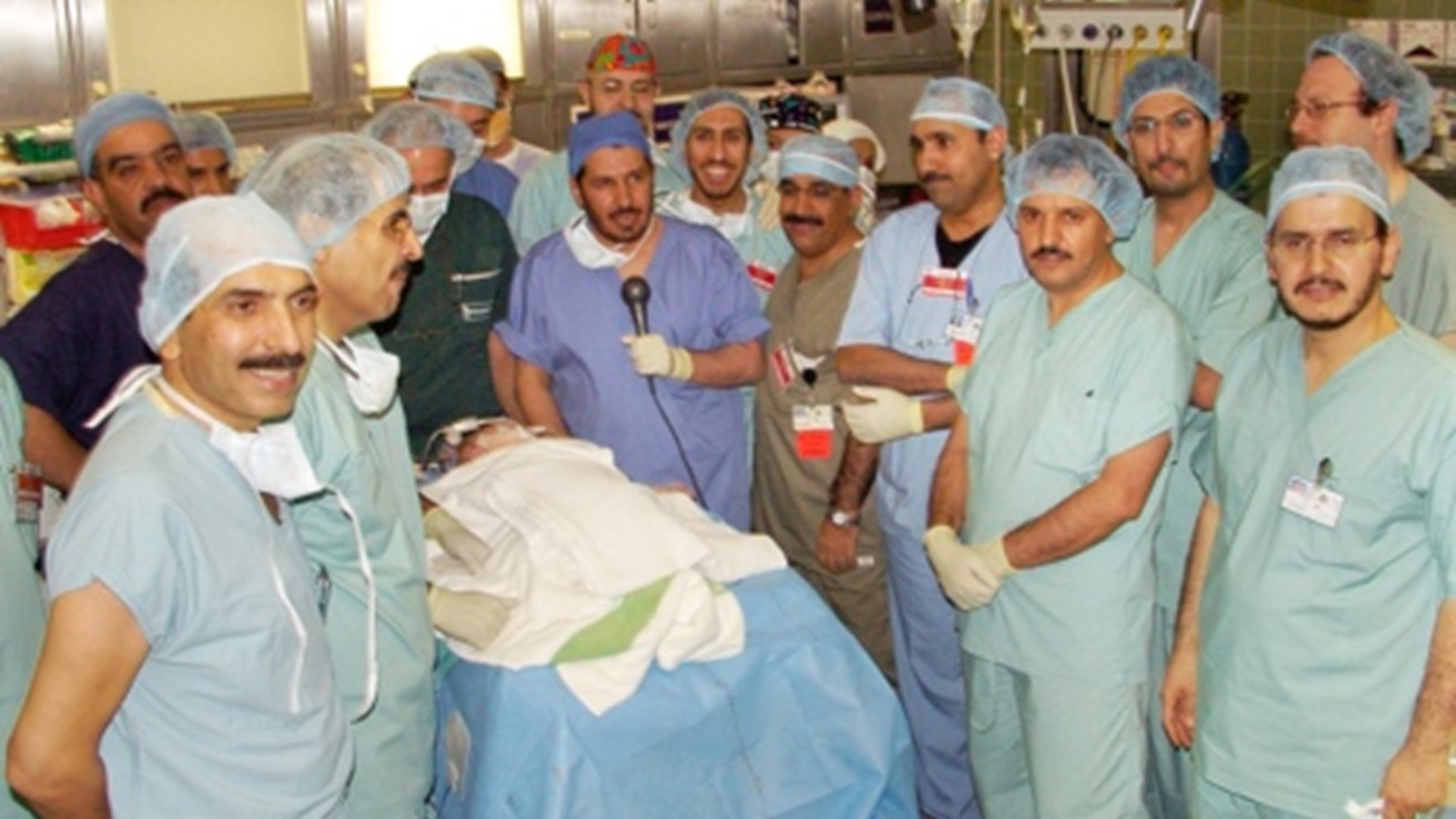
Dr. Abdullah Al-Rabiah with the surgical team/Photo: SCTP website
Historical surgeries that attracted global attention
Many operations under Dr. Al Rabeeah’s leadership have become landmarks.In 2002, Malaysian twins Ahmed and Mohammed underwent a 23-hour, multi-stage separation operation ordered by King Abdullah. The surgery required complex reconstruction of the coverings of the skull and brain and became one of the most widely cited medical breakthroughs in Saudi Arabia.In 2012, Saudi twins Abdullah and Salman were separated in Riyadh while Dr. Al-Rabiah was serving as Minister of Health, a position he held until 2014.
The Ministry of Health described the result as a success and used this case to highlight the growing capabilities in the field of pediatric surgery in the Kingdom.In 2019, Libyan twins Ahmed and Mohammed were separated in the 48th surgery for conjoined twins performed by Dr. Al-Rabiah. The action has been featured internationally, including on Good Morning America, and reflects the program’s reach to families from conflict-affected and low-income areas.
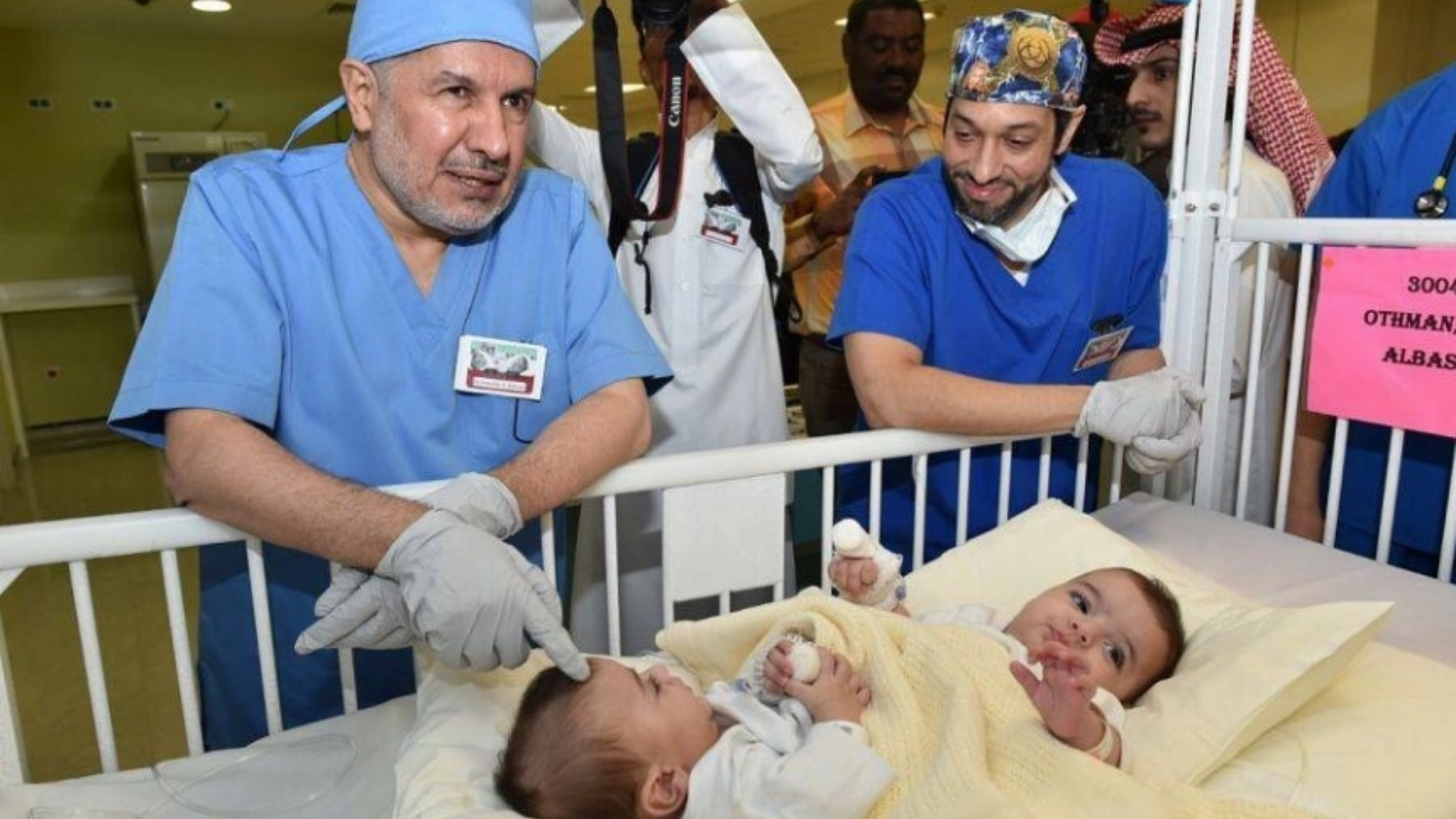
Dr. Abdullah Al-Rabiah/Photo: SPA
In 2023, Syrian twins Bassam and Ihsan underwent a six-stage separation operation in Riyadh that lasted about 7.5 hours. 26 specialized Saudi doctors participated in the operation, and it received wide coverage in the Arab media as a symbol of advanced regional surgical expertise and human solidarity.Another long-term success story dates back to 2004, when Polish twins Olga and Daria were separated in a 15-hour surgery led by Dr.
Al Rabiah. In 2026, the twins met with him in Riyadh and shared photos of their meeting, drawing renewed attention to the lasting impact of these measures.
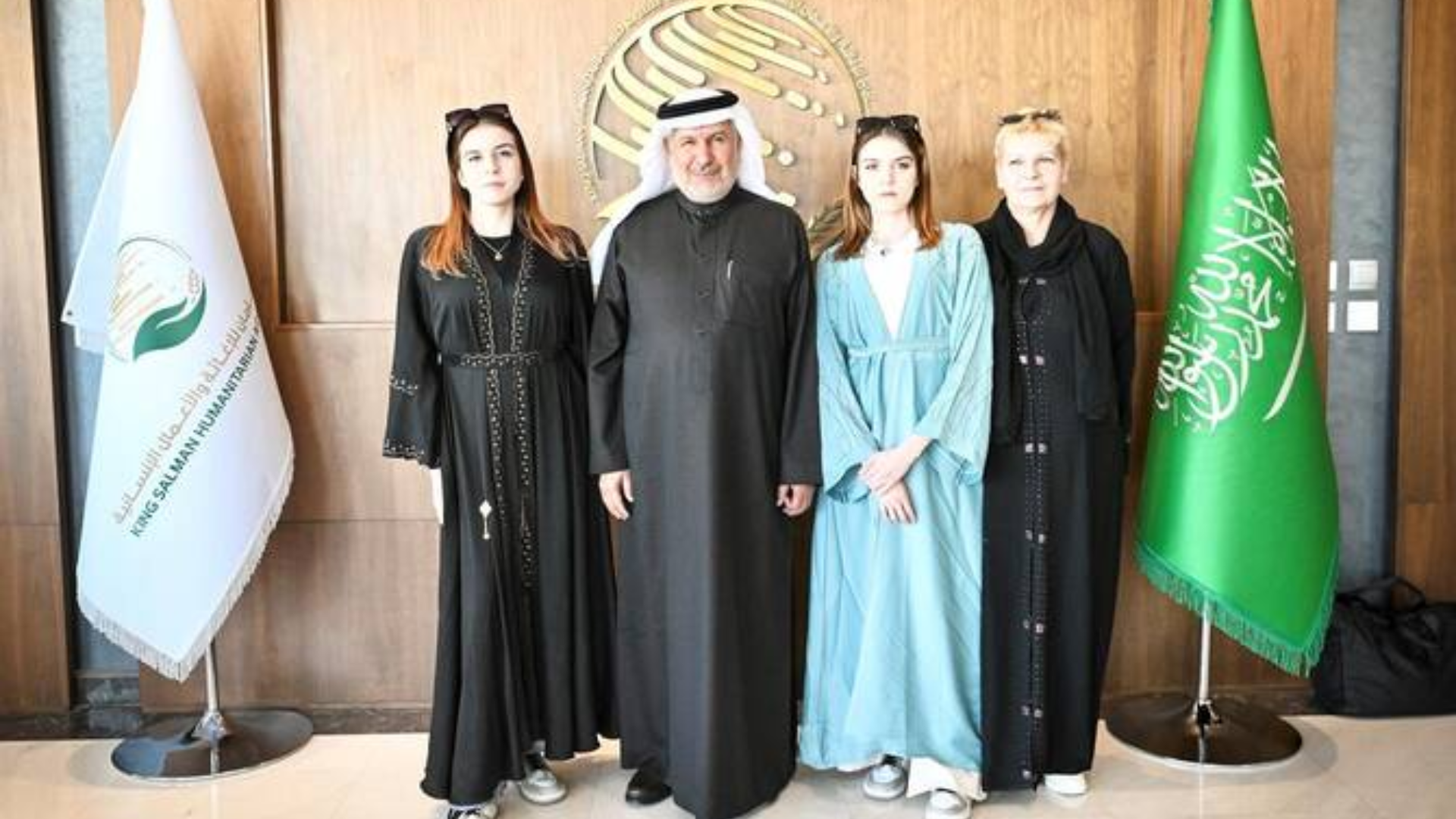
Olga and Daria with Dr. Rabia/Photo: SPA
Roles beyond surgery
In addition to leading complex separations, Dr. Al-Rabiah serves as an advisor to the Saudi Royal Court and as General Supervisor of the King Salman Humanitarian Aid and Relief Center. He also served as Minister of Health in the Kingdom of Saudi Arabia until 2014.More than three decades after the program was launched in 1990, he continues to oversee its surgical direction and international outreach. From operating rooms in Riyadh to coordinating humanitarian affairs at the national level, his role has evolved from specialist surgeon to corporate leader behind one of the most sustainable conjoined twins initiatives in the world.