
Campaigners claim new rules requiring British dual nationals to show a UK passport when entering Britain are “discriminatory” against women.
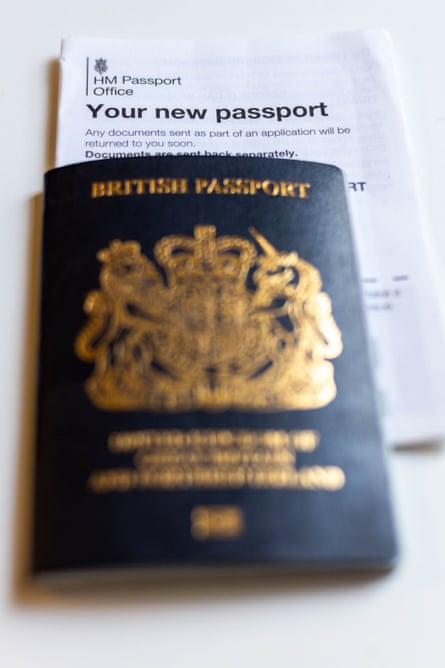
From February 25, British dual nationals will have to present a British passport when boarding a plane, ferry or train to the UK, or attach a new document called a “certificate of eligibility” costing around £600 to their second passport.
Campaigners say this will cause particular problems for some women in Greece and Spain who took up citizenship after Brexit because of British rules that names on UK and second passports must match exactly.
In Greece, women are required to keep their maiden name after marrying a Greek national, meaning British passports will fall foul of the name-matching rule if they use their husband’s name.
In Spain, Britons married to Spaniards have two surnames on official ID, their mother’s and their father’s surname, while in the UK they have only one surname on their British passport.
“It causes huge problems,” said Julia Cross of the grassroots organization British in Greece. “Most people don’t know that they should get a second passport, but requiring name alignment in both passports is discriminatory and only affects women.” The organization represents 20,000 Britons in Greece and is part of the British umbrella group in Europe, which has campaigned for the rights of Britons after Brexit.
The Home Office said that only in exceptional circumstances could people have mismatched names.
“If individuals can provide evidence that they are unable to change their name on their foreign-issued documents, the Home Office will exceptionally consider allowing them to use a different name on a Home Office-issued document,” its guidance states.
But campaigners said the new rules had not been communicated and were causing confusion and stress for affected women in Spain and Greece.
Cross called on the government to urgently introduce a transition period of “at least three months” to allow Britons abroad to communicate the new rules in a meaningful way and make any necessary adjustments.
“I approached a woman who felt ‘banned’ from entering her own country,” Cross said. “I ask again if we are now entering a Trumpian climate of turning against their own citizens.”
A House of Commons briefing paper on the topic published in late January suggested Britons have a legal right to enter the country, but there could be a problem with airlines risking fines if they allow someone to board without the correct document.
UK government guidance with a black exclamation mark warns that after February 25 “you may not be able to board your shipment into the UK without a valid document”.
Stephanie, a British woman who has been living in Spain for 25 years after becoming naturalized after Brexit, points out another problem.
Spain does not recognize dual nationals, unless they are born to one Spanish and one foreign parent, naturalization candidates must “tick” a box renouncing their other nationality as part of the naturalization process.
But, Stephanie said, many “secretly still have British passports” but fear that if they suddenly produce it at the airport, they risk losing their Spanish passport because they have not renounced their British citizenship.
She said: “Even though I can fly in Spanish and show the airline I have a British passport, I’m told the airline can deny boarding if the names don’t match, which is ridiculous because the British only have one surname and the Spanish only two.”
The change in regulations is part of a broader effort to improve immigration data collection at the border.
From February 25 foreign nationals will need to apply for an “Electronic Travel Authorization” (ETA) for £16 to enter the country, but dual nationals will not be able to use it on their second passport, the government said.
Irish passport holders are exempt from the rule.
In Australia Gabrielle Mordy, who has dual nationality through her father, told the Guardian how she had traveled on her Australian passport for years without a problem. But she only heard about the rule change in January, and it can take up to eight weeks to get a certificate of eligibility, so those traveling in the next two months are advised it’s not a surprise.
A woman living in Germany said: “They Tourists are treated better than our own citizens. Why can’t we just have an ETA? Why have almost £600 if we can’t get a passport. A family that travels during Easter brings a lot of money.”
Some names have been changed.