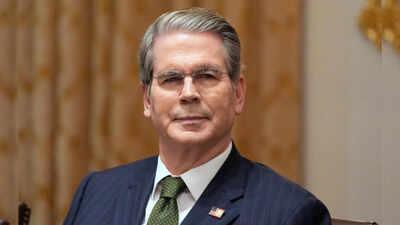
Scott Besant said an executive order requiring banks to collect citizenship information is in the works.
Treasury Secretary Scott Besent said a proposed executive order that would require banks to collect citizenship information is in the works. “It is being processed.
And I don’t think that’s unreasonable, because: why don’t we have information about the people in our banking system? I have a place in the UK; They want to know who lives in each apartment. How do we know he is not part of a foreign terrorist organization? Besant told Semaphore. This will be a step in the administration’s ongoing campaign against illegal immigration. Under this proposal, Real ID cards would not be considered eligible documents for banking purposes. When the proposal was first announced, Sen. Tom Cotton, a Republican from Arkansas, said he strongly supported the idea, writing to the Treasury Department urging it to “conduct a comprehensive review of the current rules that allow illegal aliens to obtain financial services and access the U.S. banking system.”“Access to the American banking system is a privilege that should be limited to those who respect our laws and sovereignty,” he said.
“When individuals are allowed to open accounts without verifying their legal status, we allow illegal aliens to establish financial roots and integrate economically, all while bypassing the legal channels that millions properly use.”Any possibility of making a US passport mandatory to have a bank account in the US raises panic because it could affect millions of Americans. There were only 183 million US passports in circulation in 2025, in a country with a population of more than 340 million.
American Banker reports that only half of the U.S. population has passports, depending on the state. For example, eight in 10 New Yorkers have a passport, but only two in 10 West Virginians do.
The record revealed that 10 states with the lowest passport rates (37 percent or less) voted for Trump in the last three elections.The Washington Post said Wall Street executives warned administration officials that the plan would be an unworkable administrative burden. Jeremy Cress, an associate professor of business law at the University of Michigan, warned that the plan was “a way to use the banking system as a weapon to achieve political goals.”