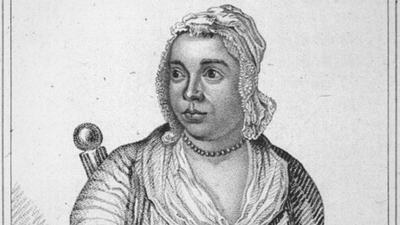
In the fall of 1726, an unusual claim swept Britain and left even some of the country’s most respected doctors scratching their heads. A poor Surrey woman named Mary Toft insisted that she had not had children, but rabbits.
The strange story soon spread beyond her village, attracting surgeons, scientists, and even the attention of George I. For weeks, several prominent doctors treated the case as real before a careful investigation uncovered one of the most astonishing medical frauds in history, exposing the dangers of myths, flawed science and professional pride.
How a poor woman convinced doctors to give birth to rabbits
The woman at the center of the scandal was Mary Toft, a poor resident of Godalming, who had already given birth to children before suffering a miscarriage in August 1726.
Soon after, she began claiming to have gone into labor again, but instead of giving birth to a baby, witnesses said she gave birth to rabbit parts and other animal remains. Local surgeon John Howard examined them and became convinced that the births were real, documenting what he believed to be repeated births of rabbits.
His reporting quickly spread beyond Surry County, turning an incredible local story into a national sensation.
Why doctors believe the impossible
Although these claims seem ridiculous today, they seemed plausible to many doctors because of the medical theories of the time. A widely accepted belief known as maternal fantasy suggests that a pregnant woman’s emotions, fears, or experiences can physically affect her unborn child. Mary reportedly claimed that she became obsessed with rabbits after being startled by one while pregnant. Many doctors accepted this explanation, believing it could explain unusual births despite the lack of scientific evidence.
The case reached the royal court
As news of the rabbits’ birth spread, the story reached George I, who ordered an official investigation. Royal surgeon Nathaniel St. Andre examined Mary and declared the births real, even publishing a pamphlet defending the remarkable case. However, another royal surgeon, Cyriacus Ahlers, remained skeptical after noticing inconsistencies in the animal remains that suggested they had lived outside the womb before being presented as evidence.
Clues that exposed the hoax
As investigators looked more closely, the evidence began to unravel. Rabbit remains contain partially digested hay and grains, which is impossible if they had evolved inside the human body. Some members bear clean knife wounds rather than birth injuries. Investigators also discovered that Mary’s husband had been buying rabbits, while the porter later admitted that he had been bribed to smuggle rabbits into her room during the investigation.
Together, these discoveries revealed that rabbit births were carefully regulated.
Confession of Mary Toft
Facing relentless interrogation and the threat of invasive surgery to prove the truth, Marie confessed in December 1726. She admitted that dead rabbit parts had been inserted into her body to create the illusion of impossible births. Historians believe she may have had help during the early stages of the deception, although the identities and roles of any accomplices remain uncertain.
Her confession brought one of the most extraordinary medical frauds in history to an abrupt end.
The scandal that destroyed medical experts in Britain
The consequences of the hoax fell largely on the doctors who supported Mary. Nathaniel St. Andre’s reputation collapsed after he publicly defended her claims, while John Howard also faced widespread criticism. In contrast, skeptics such as Sir Richard Manningham and Cyriacus Ahlers, who questioned the evidence, largely maintained their professional standing.
The scandal inspired satirical publications, newspaper reports and artwork by William Hogarth, turning the case into one of Britain’s greatest public embarrassments.Nearly three centuries later, the Mary Tufte case continues to fascinate historians because it highlights how respected experts can be misled when accepted beliefs outpace careful observation. The scandal exposed the weaknesses of eighteenth-century medicine, demonstrated the dangers of confirmation bias, and underscored the importance of evidence-based investigation. Today, it remains one of history’s most prominent examples of medical hoax, reminding us that extraordinary claims require extraordinary evidence.