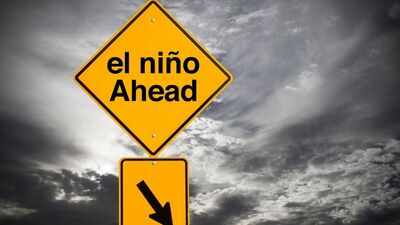
A rare combination of two major ocean climate patterns is catching the attention of meteorologists this year. According to an analysis he conducted Severe weather in EuropeThe appearance of a rare Atlantic La Niña in the tropical Atlantic coincides with the intensification of the super El Niño phenomenon in the Pacific Ocean.
While these two events occur in different oceans, forecasters suggest they may work together to create weather conditions that prevent hurricanes from forming in the Atlantic, which could reduce the risk of hurricanes making landfall in the United States.
However, experts warn that a quieter season doesn’t mean tornadoes won’t occur.
What are Atlantic La Niña and Super El Niño?
Most people are familiar with El Niño, a weather pattern caused by unusually warm sea surface temperatures in the central and eastern tropical Pacific Ocean.
A strong El Niño can affect weather around the world, affecting precipitation, temperatures, drought, and tropical cyclone activity.A super El Niño is an extremely intense El Niño phenomenon, characterized by an extreme rise in sea surface temperatures in the Pacific Ocean. Such events have historically been associated with major disturbances in global weather, including increased flooding in some regions, drought in others, and rising global temperatures.
Although “super El Niño” is not an official scientific classification, it is commonly used to describe exceptionally strong El Niño events.
On the other hand, Atlantic La Niña is less common. This occurs when sea surface temperatures in the tropical Atlantic Ocean become cooler than average. according to Severe weather in EuropeIf the current cooling continues through the season, the 2026 event could become the sixth strong Atlantic La Niña summer recorded in more than four decades of observations.
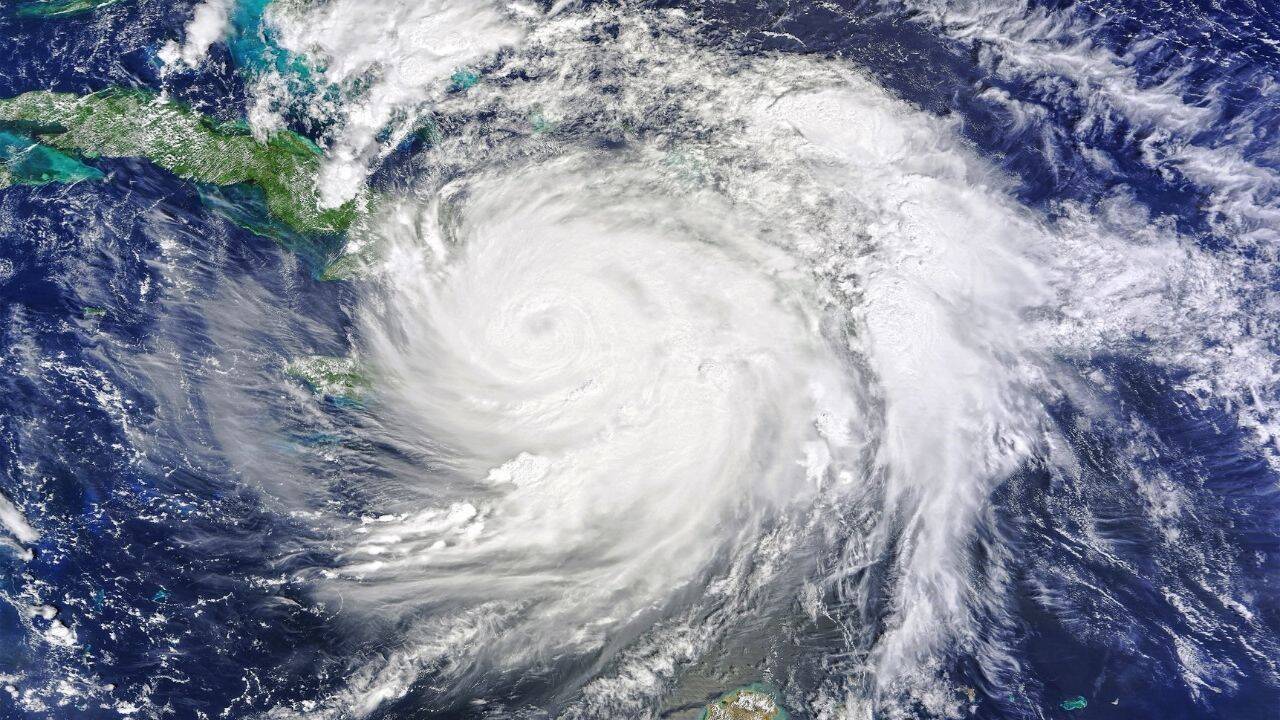
Image credit: Canva
How do these two weather patterns affect hurricanes?
Although one phenomenon is related to unusually warm water and the other to unusually cold water, both phenomena appear to affect the atmosphere in ways that make hurricane development more difficult over the tropical Atlantic.One of the biggest causes is increased vertical wind shear, or a change in wind speed or direction with height. Hurricanes thrive when winds remain relatively uniform from the surface of the ocean to higher levels of the atmosphere.
Strong wind shear disrupts the organization of tropical storms, preventing them from becoming powerful hurricanes.In addition, the combined effect of the Atlantic La Niña and El Niño may contribute to:
- High atmospheric pressure over parts of the tropical Atlantic Ocean.
- More sinking air, which prevents thunderstorm formation.
- Drier air in the middle levels of the atmosphere reduces the humidity of tropical systems that need to be condensed.
Together, these conditions form an “atmospheric shield” against the development of hurricanes in the Atlantic Ocean.
Why the risks are lower, but not gone
A subdued hurricane season doesn’t mean coastal areas are safe from tropical storms. Weather experts stress that it only takes one hurricane to make landfall in a populated area to cause catastrophic damage.Historic hurricane seasons have shown that relatively calm years can still produce devastating storms. The total number of hurricanes is only one measure of seasonal activity; Where storms develop, how quickly they intensify, and where they eventually move are all equally important.Therefore, meteorologists stress that residents in hurricane-prone areas should continue to prepare as usual, despite expectations indicating a decrease in general activity.
Seasonal forecasts describe average weather conditions rather than predicting the path of individual storms months in advance.
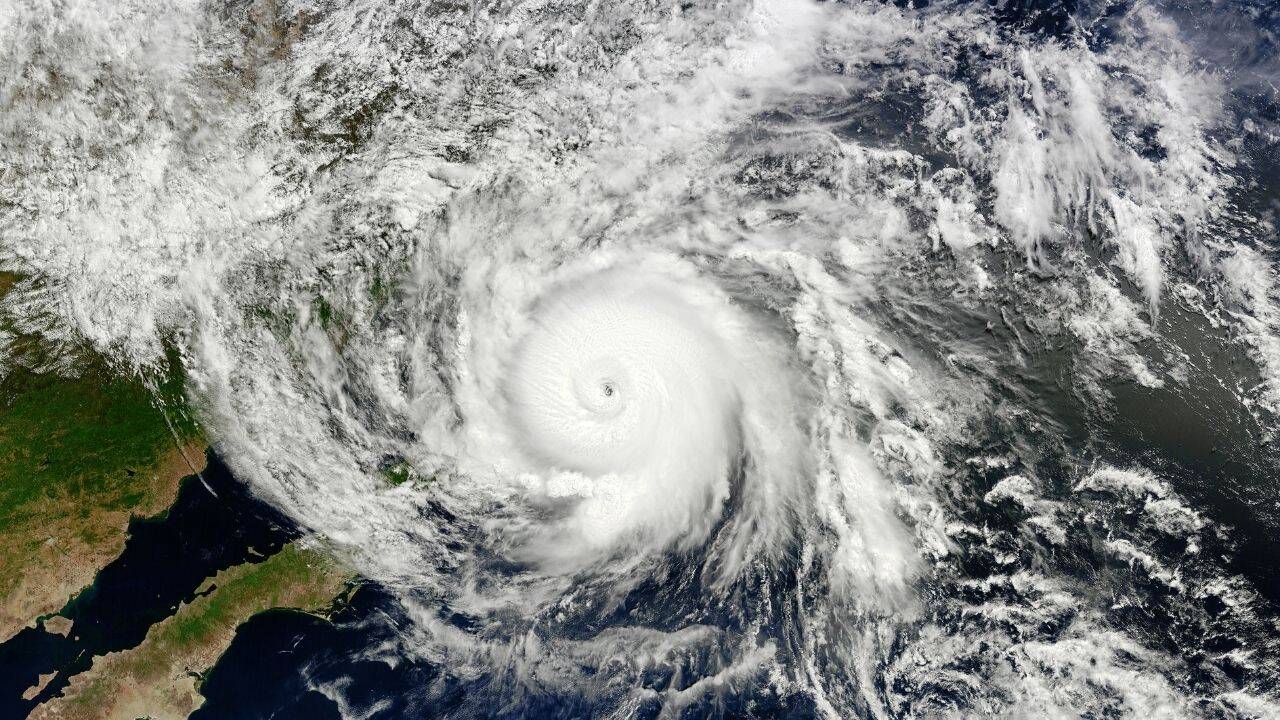
Image credit: Canva
Could this affect winter weather as well?
Scientists also watch these ocean patterns closely because their effects often extend beyond hurricane season. Strong El Niño events are known to reshape global atmospheric circulation, alter jet stream patterns and affect winter weather across North America, Europe and parts of Asia.according to Severe weather in Europethe interaction between the Atlantic Niña and the developing Super El Niño may provide early clues about the winter of 2026-2027, including possible changes in the jet stream and even the behavior of the polar vortex. However, this long-term outlook remains uncertain and will depend on how both ocean patterns evolve over the coming months.
Why are scientists watching this so closely?
Ocean temperatures act as one of the most important climate regulators on Earth, influencing atmospheric circulation across continents.
When multiple ocean climate patterns occur simultaneously, their combined effects can sometimes amplify or offset each other in unexpected ways.The occurrence of a rare Atlantic El Niño alongside a strong El Niño gives scientists a unique opportunity to better understand how climate patterns in different ocean basins interact to influence global weather.Although current forecasts indicate a decrease in hurricane activity in the Atlantic Ocean, scientists highlight the importance of preparing for them. Seasonal weather patterns may reduce the chances of hurricanes forming, but they cannot eliminate the risk of storms reaching the coast.