


Queensland’s waterways pass through rainforests, floodplains, mangrove systems and densely populated coastal areas, creating habitats where snakes remain active throughout most of the year.
Warm temperatures and frequent rainfall support large populations of fish, frogs and small mammals, which naturally attract predators to rivers, lakes and tidal channels. Some species stay close to freshwater environments while others move between estuaries and coastal waters. Sightings are not unusual in northern parts of the state, especially after storms or during wet conditions when the reptiles become more active near the surface.
Although many snakes avoid people whenever possible, some Queensland waterways have developed a reputation for their surrounding environments and the wildlife they support.As reported by WorldAtlas, check out the list below of 5 snake-infested waters in Queensland.
5 snake-infested rivers and wetlands in Queensland that look beautiful but hide danger
1. Daintree River
Computer: Wikipedia
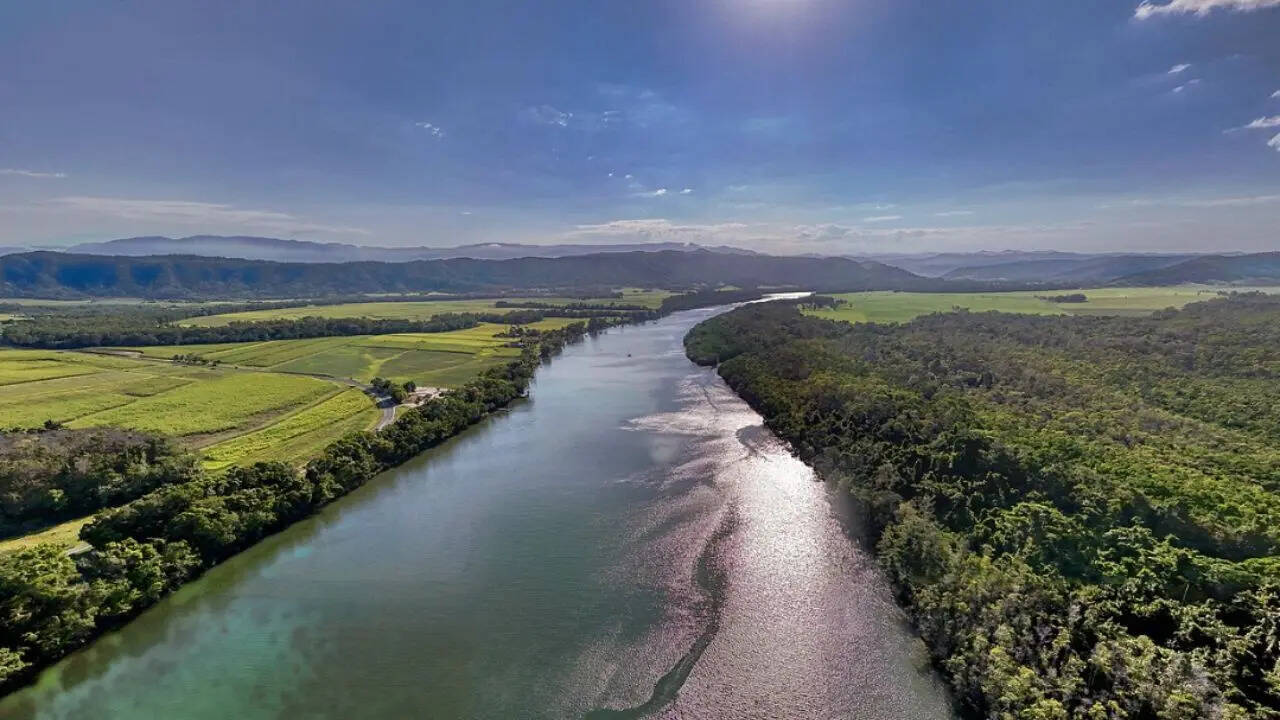
The Daintree River moves through dense tropical rainforest where dense vegetation extends right to the water’s edge.
Fallen branches, mangrove roots and shaded banks form suitable shelter for many species of snakes that hunt near waterways. During wet weather, snakes are often seen moving across muddy ledges or resting near low branches above the river. Conditions become busier after rains when rising water levels push animals into new areas.
Tour operators in the area regularly report seeing snakes alongside crocodiles, especially during the warmer months when reptile activity increases through the surrounding rainforest and wetland systems.2. Quiet lake
Computer: Wikipedia
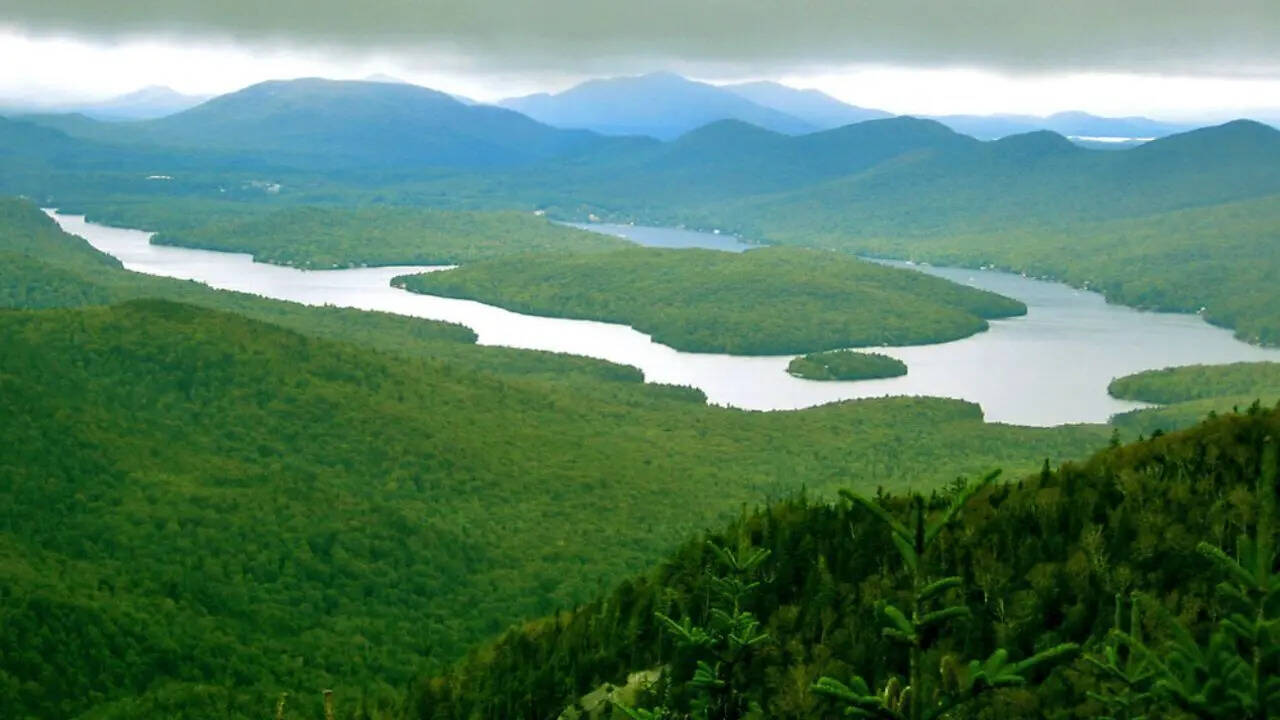
A quiet lake near Cairns is quiet most of the year, although the surrounding environment supports a steady presence of reptiles. The warm, shallow parts attract frogs and fish, providing reliable hunting grounds for eels that stay close to freshwater habitats. The dense vegetation around parts of the beach allows them to move quietly without being exposed too much. People who use quieter parts of the lake for fishing or walking sometimes report snakes crossing narrow stretches of water or resting near reeds.
Sightings tend to be higher during the rainy season when humidity increases, and wildlife becomes more active throughout the nearby connected waterways.3. Brisbane River

Computer: Wikipedia
The Brisbane River runs through urban areas, although many sections still contain mangroves, wetlands and overgrown riverbanks that support native reptiles. Snake sightings are more common in quieter areas away from busy pedestrian areas, especially after periods of flooding.
Heavy rains can force snakes out of hidden ground and into parks, drains and residential neighborhoods connected to the river system. Different habitats exist along the river depending on the distance from the coast, allowing multiple species to occupy separate areas.
Residents living near bush trails or flood-prone sections sometimes encounter snakes moving through backyards after storms and warmer seasonal conditions.4. Hinchinbrook Canal
Computer: Wikipedia
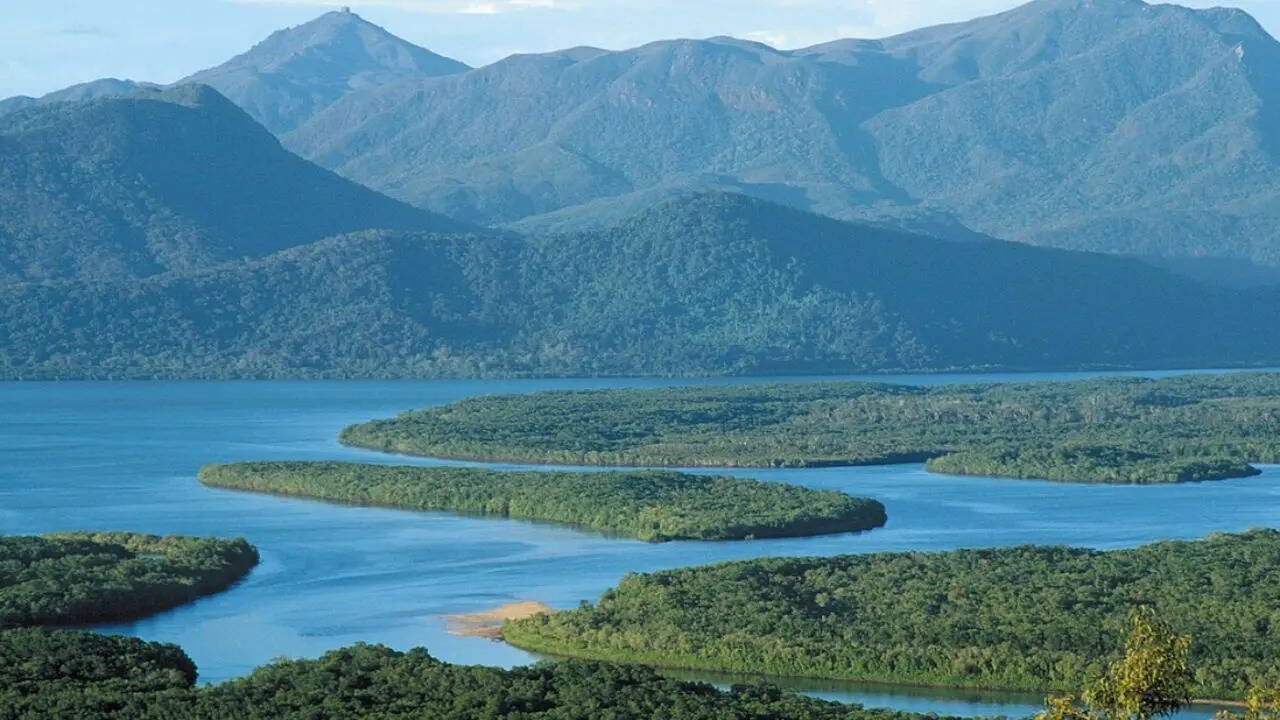
Hinchinbrook Channel lies between the mainland and Hinchinbrook Island, surrounded by mangroves, tidal flats and tropical vegetation. The warm coastal waters support marine life that attracts eels to the channel all year round. Unlike land species, sea snakes spend most of their lives in water and are designed to swim through tidal currents. People usually accidentally encounter them near fishing areas, boat ramps or nets rather than along the coastline itself.
Although they are highly toxic, they rarely come near humans intentionally. Their presence reflects the healthy marine ecosystem that continues to support fish populations within the channel.5. Fitzroy River
Computer: Wikipedia
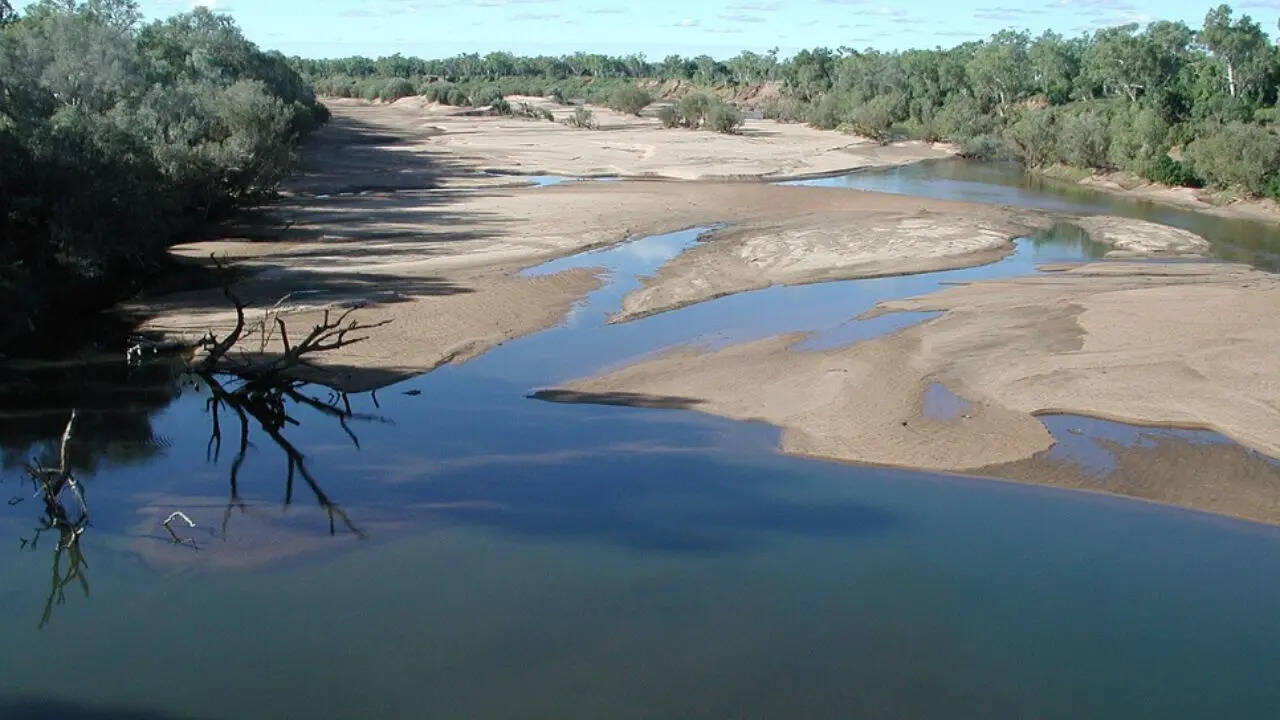
The Fitzroy River system runs through central Queensland and passes through wetlands, agricultural areas and floodplain environments where reptiles remain common. Monsoon rains dramatically change the river’s course, creating temporary ponds and flooded pastures that attract frogs and small animals.
Eels often follow these feeding opportunities in shallow water and low vegetation near river banks.
During warm evenings, movement becomes more noticeable around isolated parts with dense vegetation. Residents and farmers near the river sometimes report an increase in sightings after storms when rising water pushes wildlife onto surrounding lands. The large river system allows different snake species to occupy separate habitats throughout the area.