Representative image (AI)
As the conflict escalated in the Middle East, Mohsen Rezaei, military advisor to Supreme Leader Ayatollah Mojtaba Khamenei, said that a potential peace deal between the United States and Iran depends on the Trump administration agreeing to release $24 billion in frozen Iranian assets.Rezaei said in an interview with CNN: “The negotiations have reached a dead end and (US President Donald) Trump must break this deadlock. The ball is in Trump’s court.”His statements come amid efforts to revive negotiations between Washington and Tehran after months of military confrontation between Iran, Israel and the United States. While both sides have indicated their interest in avoiding a broader regional conflict, there remain significant differences over the terms of any agreement.According to Rezaei, Iran proposed releasing $12 billion in frozen assets immediately after signing the interim agreement, with another $12 billion to follow at a later stage. He described the proposal as a test of trust between the two countries.
“trust test”
Rezaei said that the release of the funds would indicate a new phase in relations between Washington and Tehran.He added: “If (Trump) wants to reach an agreement with Iran, then this $24 billion is the test of trust that Iran wants with Trump – and this is a test that America must pass and the way will be opened.”
This is our money, not America’s money.” But the request is likely to face resistance in Washington. US officials expressed concern that releasing the frozen funds at this stage could weaken one of the main pressure points available to the United States during negotiations.Trump has repeatedly criticized the 2015 Iran nuclear deal that was negotiated under former US President Barack Obama, and has sought a framework that could be considered tougher than the previous agreement.
Warning of renewed conflict
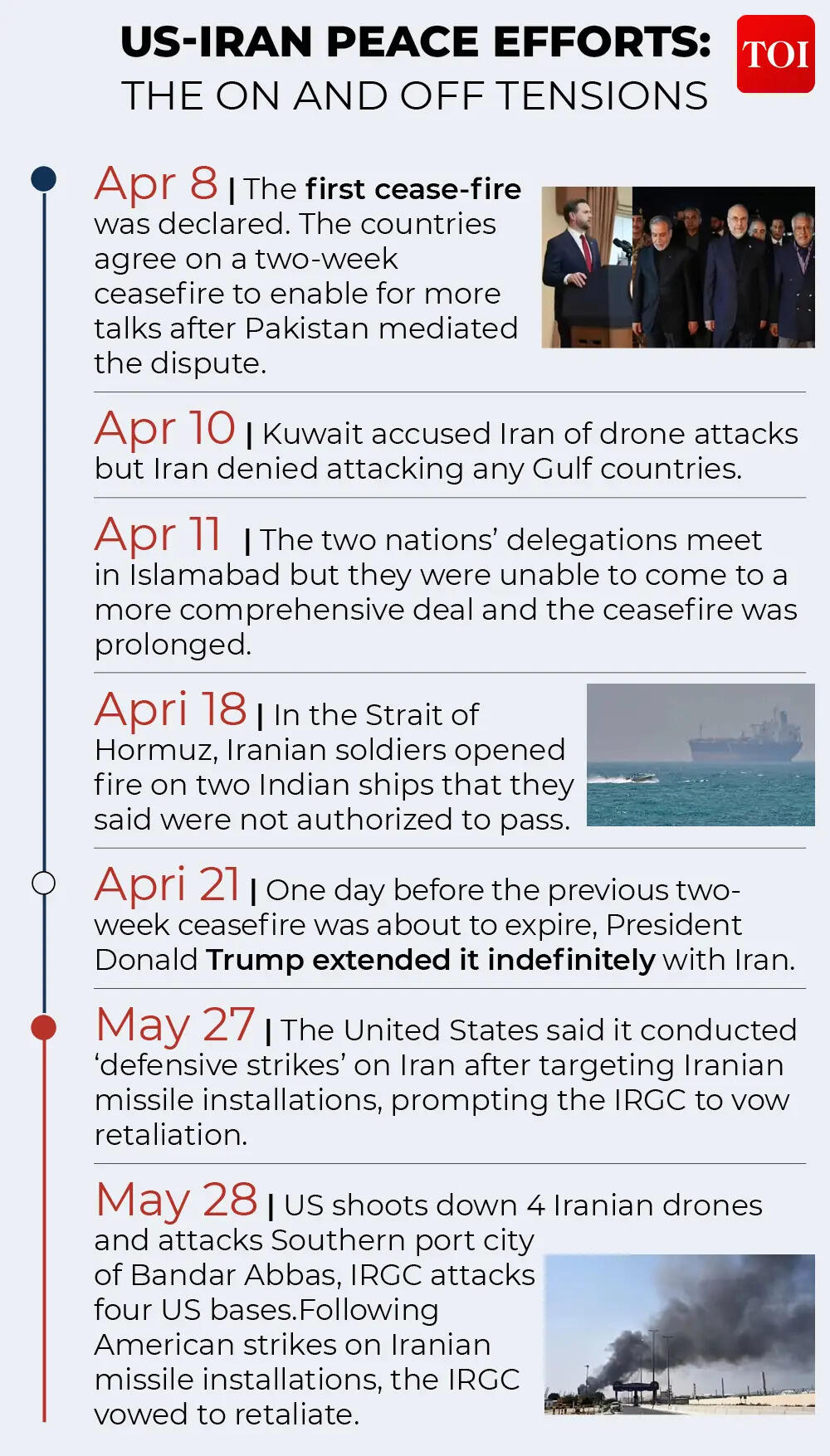
During the interview, Rezaei warned against returning to military confrontation, saying that Iran would expand the scope of its response if it was attacked again.He said, “We will give another dimension to the war by attacking other American bases that we have attacked so far.”He noted that any future conflict could spread beyond the Persian Gulf and potentially affect strategic waterways including the Strait of Hormuz, Bab al-Mandeb Strait, the Red Sea, the Mediterranean Sea and parts of the Indian Ocean.
.
Despite the warning, Rezaei added that he believed the possibility of a new war was still low.Rezaei also denied speculation that a meeting between Trump and Khamenei could take place in the near future.He added: “This will not happen. We are now in the first stage of the negotiations and Mr. Trump has stopped the negotiations. This will not happen.”His comments came days after Trump said he would be “honored” to meet the Iranian leader, and claimed the two sides seemed to be “getting along well.”
The Strait of Hormuz and regional influence
The veteran Iranian official also reiterated Tehran’s long-term position regarding the Strait of Hormuz, one of the world’s most important energy shipping routes.He said that Iran and Oman share sovereignty over the waterway and must manage it jointly. Rezaei also noted that Iran should not be expected to bear the financial burden of maintaining the track alone, and suggested imposing what he described as maintenance fees to manage it.The Strait of Hormuz remains a critical strategic corridor, through which a large share of global oil and liquefied natural gas (LNG) shipments pass.Rezaei is considered one of the most influential figures within the Iranian security establishment. He is a member of the old guard of the Islamic Revolutionary Guard Corps, fought during the Iran-Iraq War and served as commander of the Iranian Revolutionary Guard between 1981 and 1997.He later joined the Expediency Discernment Council, which advises the Supreme Leader, served as vice president under former President Ebrahim Raisi, and ran unsuccessfully in several presidential elections.While discussing the prospects for diplomacy, Rezaei expressed doubts about the solidity of any future agreement with the United States.He referred to Trump’s withdrawal from the 2015 nuclear agreement and accused Washington of following a strategy of ambiguity during the negotiations.Rezaei said that Iran is ready for a possible military confrontation in the event that negotiations are not reached.“If the United States invades Iran, the world will understand Iran’s true capabilities, because our ground power is much greater than our missiles,” he said.Rezaei also claimed that the recent conflict represents a historical turning point for Iran.He added, “This is the first time that Iran has emerged victorious in wars, while Iran has always been defeated in previous wars.”