

TOI Global Desk / TIMESOFINDIA.COM / 23 April 2026 at 13:30 IST
aa
Text size
- small
- Mediation
- big
1/11
10 countries in the world that do not have rivers
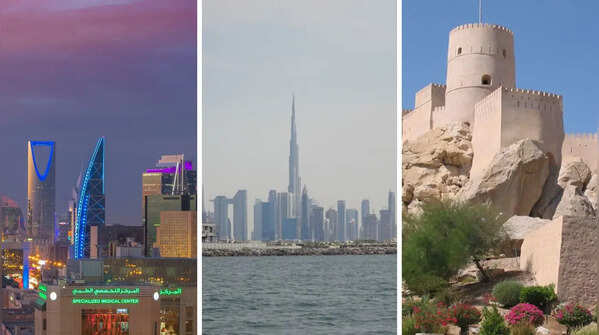
Historically, when looking at most regions, the majority of civilizations relied on river systems to sustain agriculture and settlements, but there were many places in the world that lived without a flowing river near or near them. Countries such as the large desert areas that characterize the Arabian Peninsula and the low-lying atolls of the Maldives have grown and developed with a complete absence of permanent surface rivers, making these places an environmental or infrastructural necessity.
However, these innovative countries implemented innovative water security strategies using natural groundwater supplies centuries before today’s advanced systems, such as desalination and treatment management systems, were adopted. Seven different countries demonstrated how technology can be adapted to save resources in the most remote and driest geographies, which was achieved through advanced hydraulic engineering and integrated resource management.
2/11
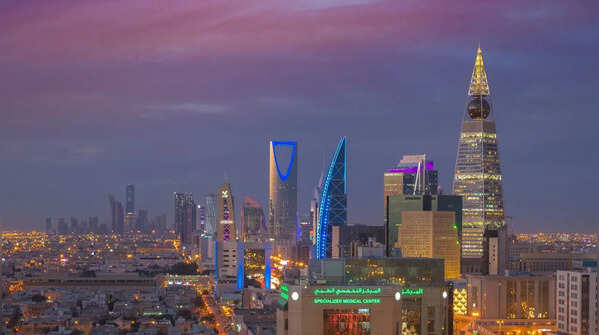
Kingdom of Saudi Arabia
Saudi Arabia, being the largest sovereign country without rivers, relies heavily on ancient, non-renewable groundwater and several large desalination plants to round up its water supply. The land is covered in “wadis”, which are dry rivers that can carry intermittent periods of heavy rain, but lack a continuous stream of water to support the citizens of Saudi Arabia.
Computer: Wikipedia
3/11
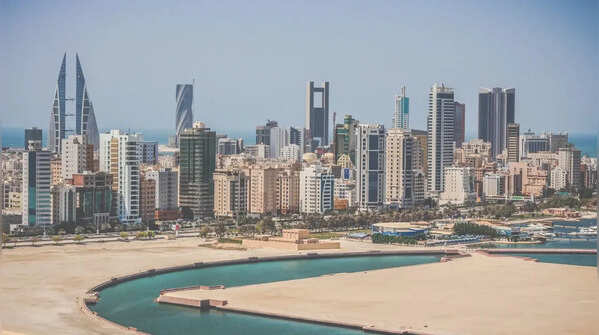
Bahrain
There are no sources of surface water in Bahrain; Historically, it relied on fresh water from freshwater springs submerged from aquifers beneath the seafloor. Population growth has exceeded the natural supplies of these springs, causing the springs to become salty. As a result, Bahrain now relies heavily on large-scale desalination and reuse of treated wastewater to meet its domestic and agricultural water needs.
Computer: Wikipedia
4/11
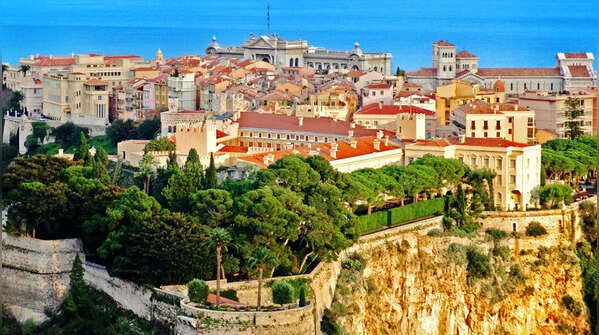
Monaco
Monaco is a small country located on the French Riviera that does not have any rivers due to its very small size and the fact that it is a highly urbanized area of land on the coast. Due to the small amount of land available in the emirate, there is no possibility to develop a catchment area to maintain water supply from the river system. To conserve its water supply, Monaco has a water-sharing agreement with France, and has developed some highly advanced technologies to manage and conserve its water.
Computer: Wikipedia
5/11
Qatar
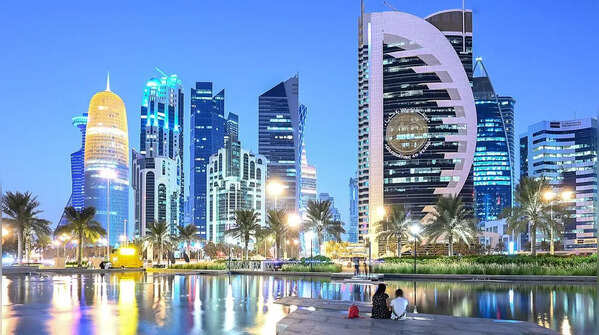
A desert with an extremely flat landscape where no river systems can form, Qatar is unable to provide its people with natural freshwater lakes or streams; Therefore, the country depends entirely on desalination of seawater in the surrounding waters to obtain drinking water. Qatar has limited groundwater resources, which are strictly regulated to avoid depletion and prevent salt water from contaminating the fragile soil.
Computer: Wikipedia
6/11
Yemen
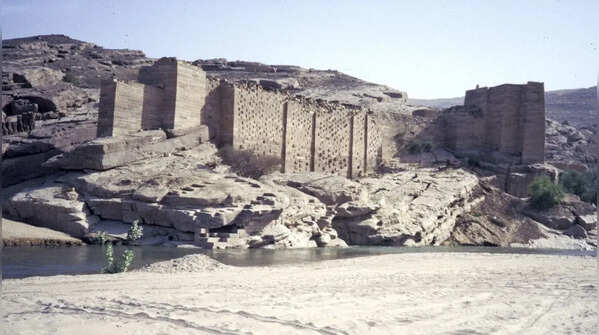
Yemen is also dry and has no rivers or lakes. As in Oman, Yemen consists of a series of temporary river courses called wadis. Most of the time these valleys are dry; However, after monsoon rains, it is capable of experiencing dangerous flash floods. There are no permanent surface water supplies feeding the country, so Yemen relies heavily on extracting groundwater from aquifers very deep below the Earth’s surface. These water supplies face severe challenges due to overuse and demand, and there are not many ways to manage these water sources sustainably, as the country has little surface water infrastructure to do so.
Computer: Wikipedia
7/11
Oman
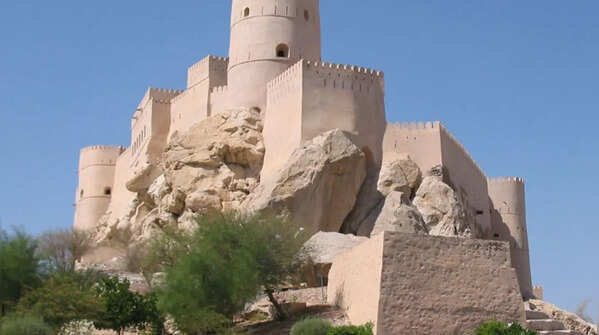
Oman is a very arid country and consists mainly of desert and rocky mountains, which means that there are no permanent or year-round rivers. Like other Arab countries, Oman relies on a series of temporary rivers called wadis that carry water only during heavy rainfall. To solve this problem, the Omani people invented an ancient method of collecting, using and transporting water called falaj, in which farmers and local communities divert water from aquifers in the mountains to cities and crops. To meet the increasing demand for water, Oman has developed additional modern infrastructure to source and manage fresh water sources. Furthermore, the country uses large-scale, technologically advanced desalination plants to provide additional supplies of fresh water.
Computer: Wikipedia
8/11
Malta
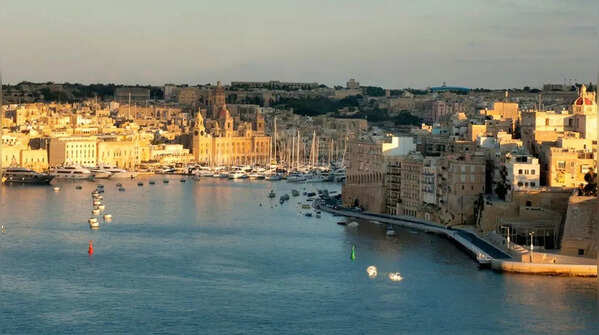
Malta’s porous limestone geology prevents the formation of permanent rivers, as rainwater can quickly penetrate the ground and does not create surface currents. The island instead relies on groundwater extraction, advanced desalination, and treated wastewater to provide sufficient water for the island’s residents while trying to balance limited water supplies with high seasonal demand driven by tourism.
Computer: Wikipedia
9/11
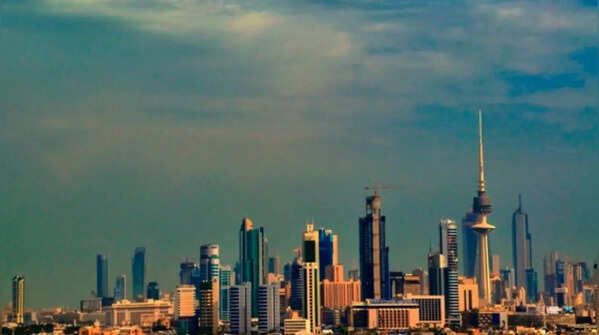
Kuwait
Kuwait does not have any permanent rivers, lakes or streams. Extreme heat stress and minimal annual rainfall mean that Kuwait lacks the geographic watershed capacity to store surface water. Therefore, Kuwait uses multi-stage flash distillation and reverse osmosis plants to provide enough seawater converted into fresh water for all its citizens.
Computer: Wikipedia
10/11
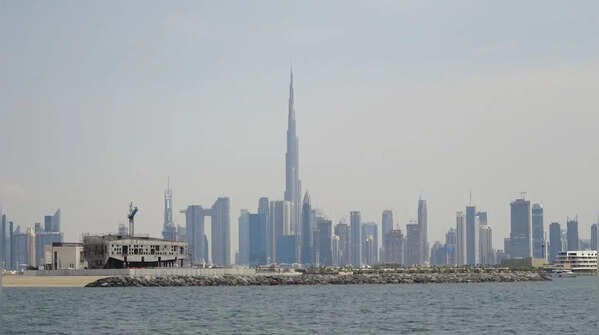
United Arab Emirates
The UAE, an arid country on the Arabian Peninsula, has no permanent rivers that provide water. Consequently, the UAE has developed into the world’s leading country in seawater desalination technologies to support rapid urban growth and agriculture. There are some limited seasonal floods in the valleys that provide moisture, but these limited rains do not provide water security for the citizens of the UAE, either in the long or short term.
Computer: Wikipedia
11/11
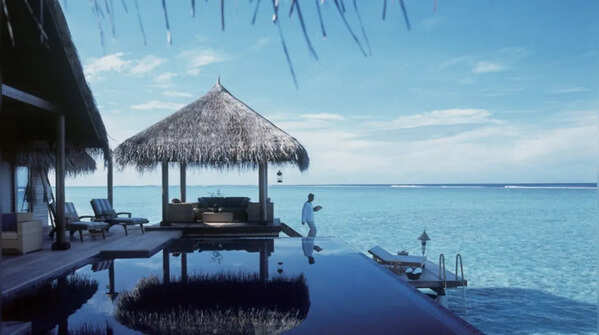
Maldives
The Maldives, as a low-lying archipelagic country, lacks the elevation necessary for rivers to form. Water supply is obtained through an aquifer of fresh water. This ray, called a “freshwater lens,” floats above the denser saltwater found beneath the atolls. These lenses are very sensitive and can become contaminated and/or negatively affected by sea level rise. Therefore, rainwater harvesting and desalination are needed to provide additional sources of fresh water in the Maldives.
Computer: Wikipedia
Follow us on social media