Ramadan quietly announces himself. Not just through fasting or prayer, but through home and devotional kitchens, where waste is avoided and food is prepared with a strong sense of purpose.
Throughout the Islamic world, from Istanbul to Sylhet, from Fez to London, from Kashmir to Kayalpattinam, Ramadan cooking has always maintained a delicate balance: fasting and feasting, restraint and generosity. Some of the most profound writings on Islamic food reflect this inner feeling, offering recipes shaped by memory, ethics, and care.
One of the most poignant explorations of this philosophy is by Turkish food scientist Nevin Halisi Sufi cuisine. The book is rooted in Konya, the city of Rumi and the Mevlevi order, and treats cooking as a spiritual act. “For the Sufis, food was sacred, cooking was a form of prayer, and eating was a blessed activity,” Hallisi explains. She says that the kitchen carried the spirit of the Sufi forum. Formation in the spiritual life often begins not with the Bible, but with learning to cook and serve others.
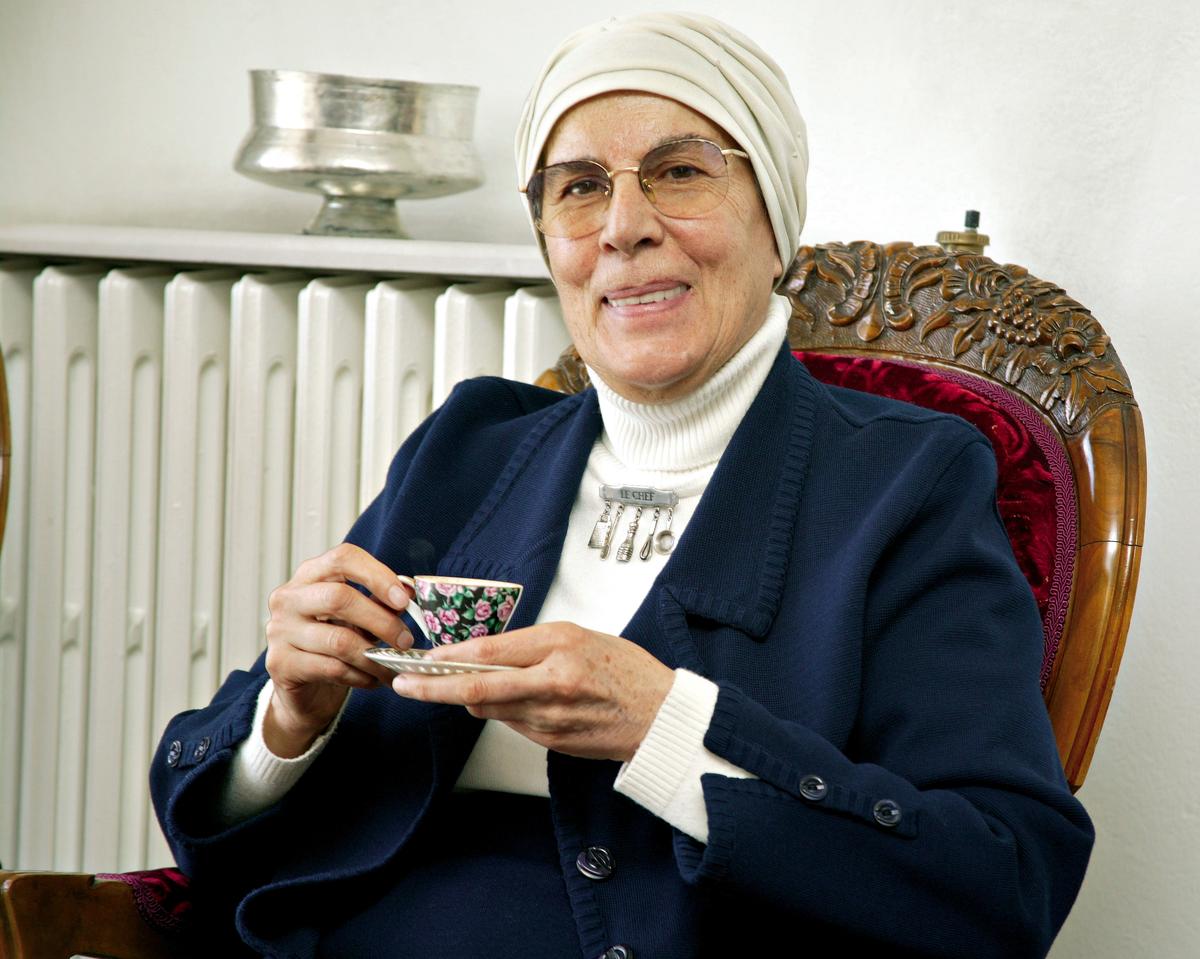
Turkish food scientist Nevin Halisi | Image source: Wiki Commons
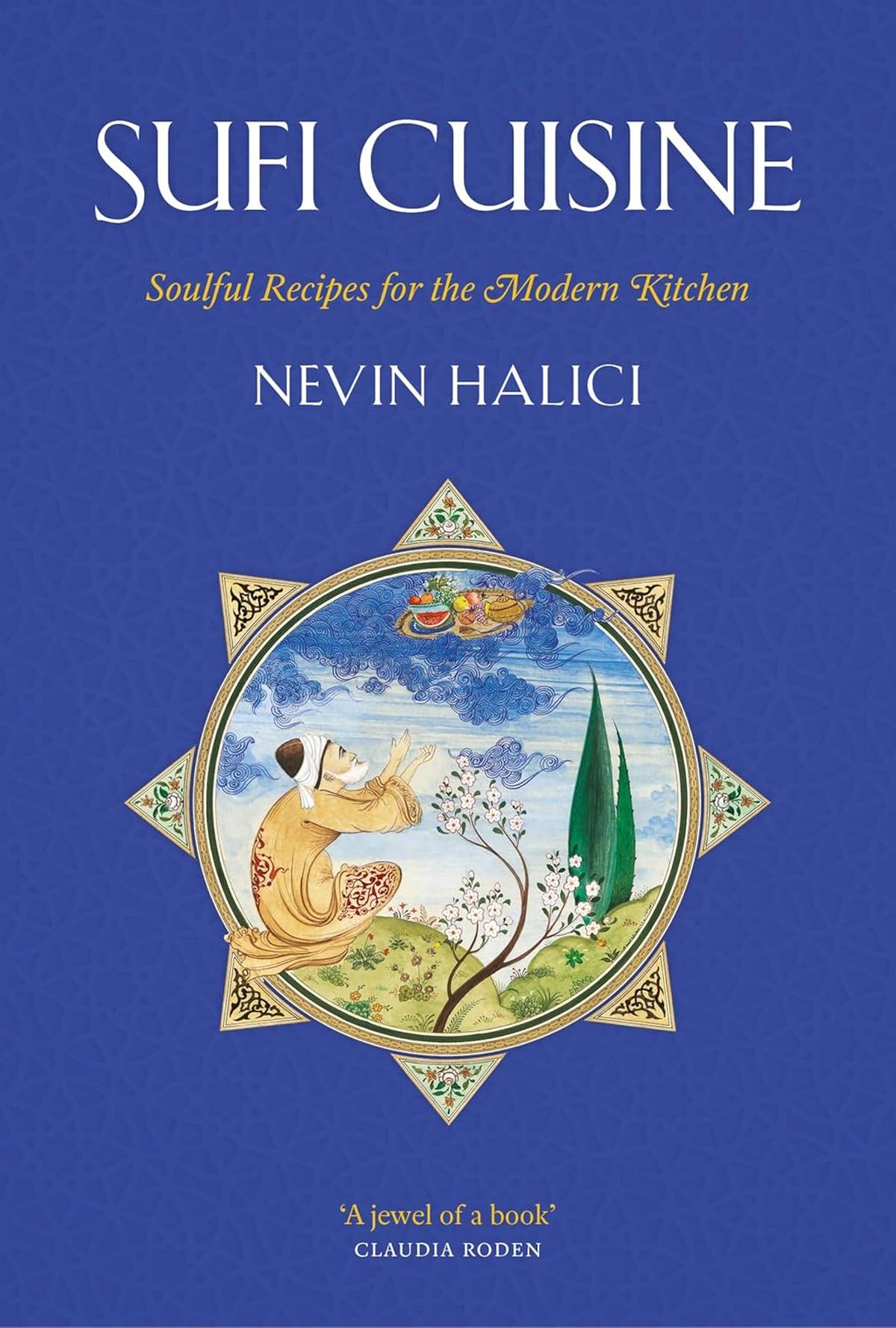
The book is full of poetry and restraint that highlights grain stews, yogurt soups, and a ritual dish AshuraThey are cooked en masse during periods of mourning. “Nutrition is important in Sufi cuisine because worship is only possible in wellness,” Hallisi points out, adding that moderation and sharing are as essential as flavour. It’s a way of thinking about food that resonates deeply during Ramadan, when self-control itself becomes a form of mindfulness.
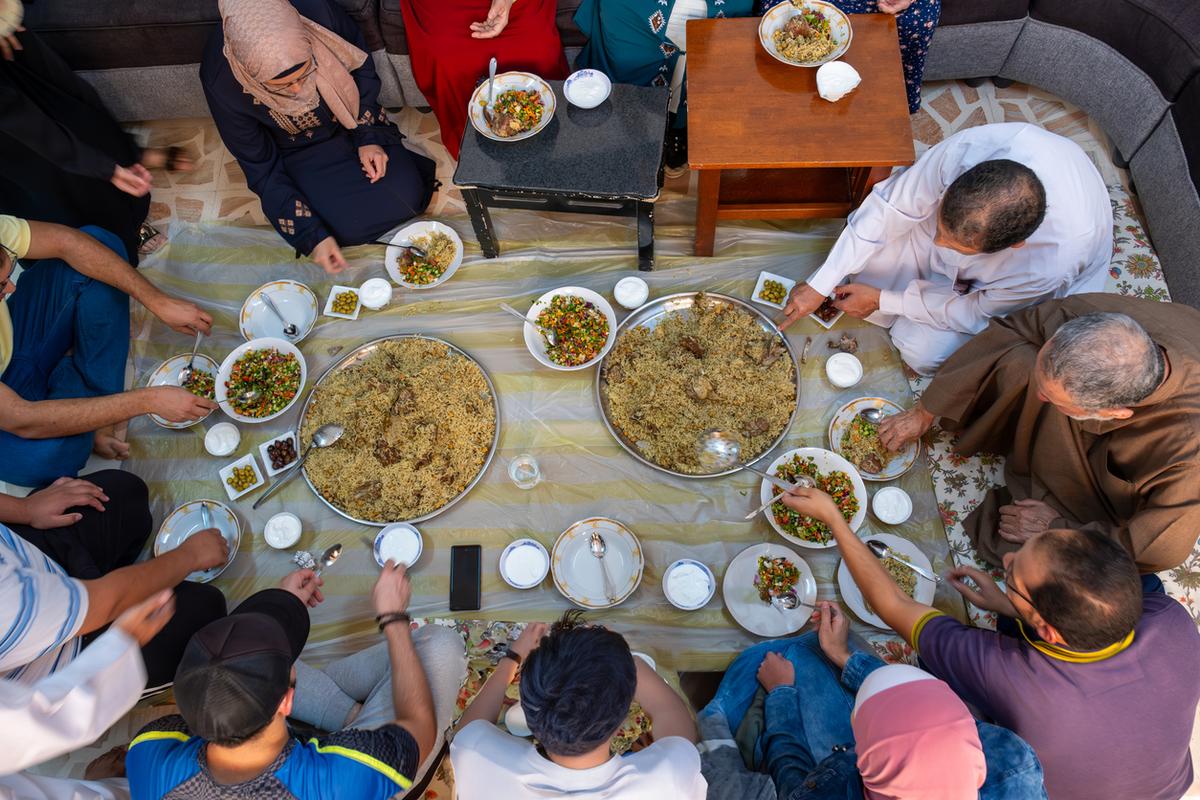
Moderation and sharing are as essential as flavor during the holy month of Ramadan. | Image credit: Getty Images
Cooking as an anchor
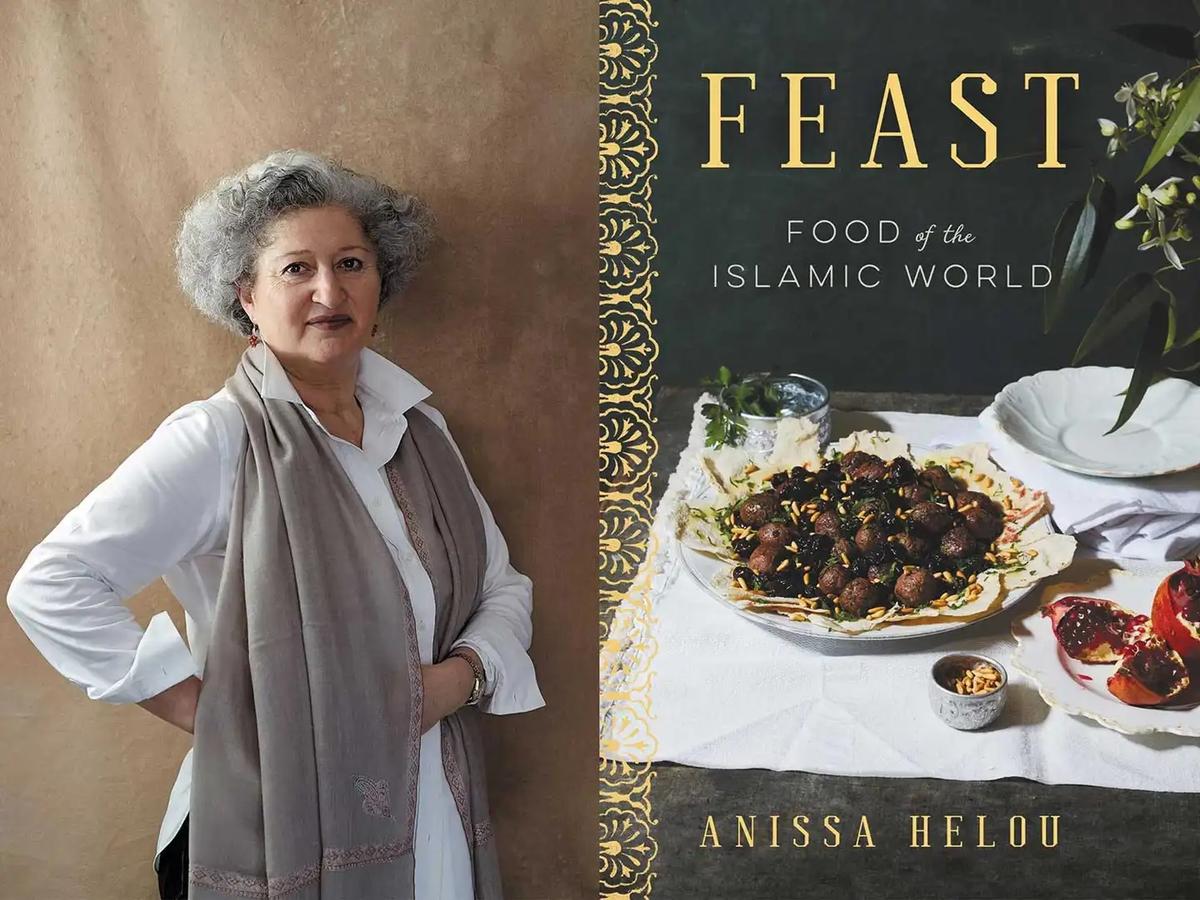
If the Sufi Kitchen Turned Inward, the James Beard Award-winning cookbook, Eid: the food of the Islamic worldWritten by Anisa Al-Helou Looking outside. One of the most comprehensive works on Islamic food cultures, feast It extends across geographical regions, from North Africa and the Levant to Central and Southeast Asia. Al-Helou writes with the authority of a scholar and the clarity of a teacher, explaining how Islamic cuisines developed along the routes of trade, migration, and empire. Her food – soups, breads, lentils and slow-cooked stews – is rarely flashy, but reflects the daily nutrition that sustains long days of fasting across cultures.
From Morocco comes a more personal and intensely contemporary sound. Chef Najat Kanash escape It is part memoir, part culinary manifesto. Born to Moroccan parents and trained in some of the world’s most famous kitchens, Kanache returned to Fez to open Nour, a restaurant rooted in Moroccan tradition but unafraid of modern expression. “Food is history, culture and geography,” she says. “Food is also politics.” For her a I wake up Made with eggs, tofu and tomatoes, “it’s a comfort dish.” During Ramadan, such humble, sustainable food seems especially profound.
Writing about Ramadan food in Britain was also influenced by immigration and memory. In a wonderful production roseNadiya Hussain lists Ramadan specialties from around the world but highlights her Bangladeshi roots with warmth and accessibility. “As a child of immigrants, I never understood the importance of the food my grandparents and parents left behind,” Hussein says. “Now I see how food connects us to our heritage.”
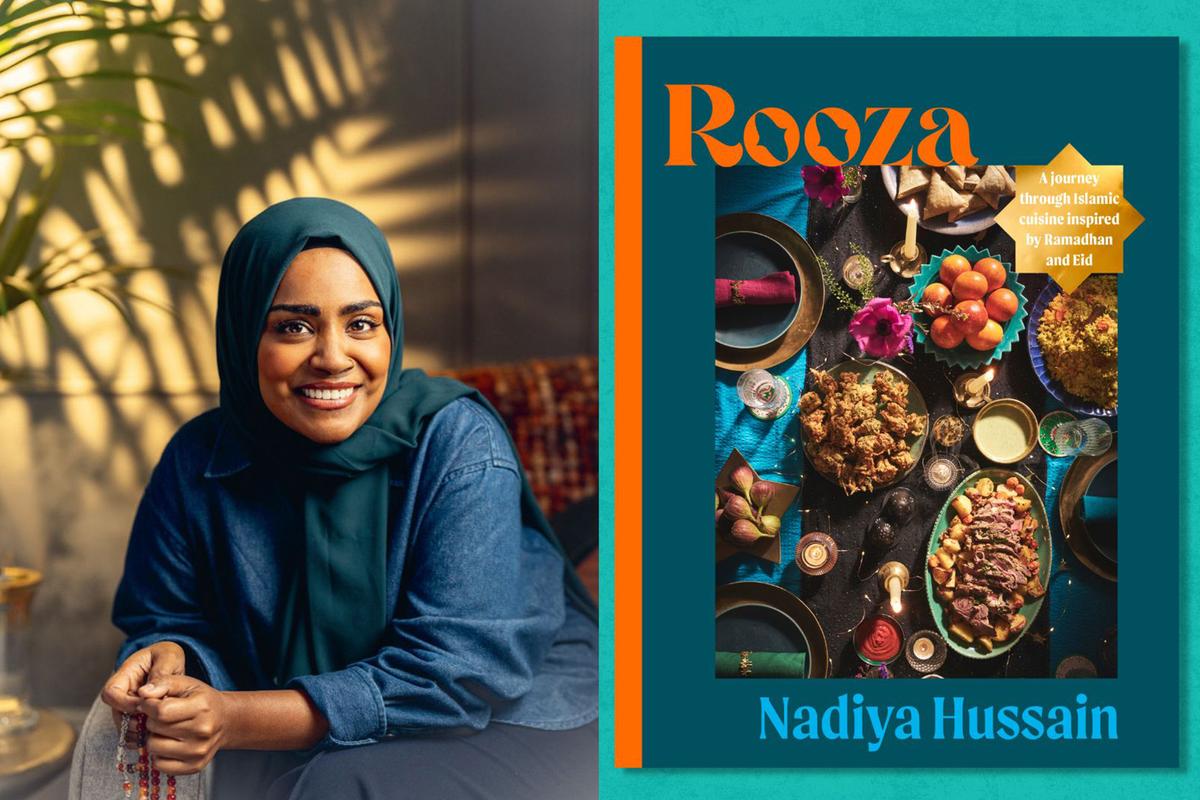
The book moves gently through Ramadan and Eid khichuri, bhortas And sweets, not as a form of nostalgia for the past, but as a practice of living. Hussain talks a lot about balance: “Life will always be busy, but it’s about making time to slow cook, or fast cook, without ever compromising on flavour.”
This sensitivity is echoed in the work of Dina Begum, who… Made in Bangladesh East Bengali cuisine exudes simplicity and care. For Begum, festive meals are nutritious dishes khichuri with Roasted channaLight dals, vegetables bhortas. It often returns to the idea of food as a comfort for migrant communities, where markets and everyday home cooking become anchors, especially during Ramadan, connecting families to memory and well-being.
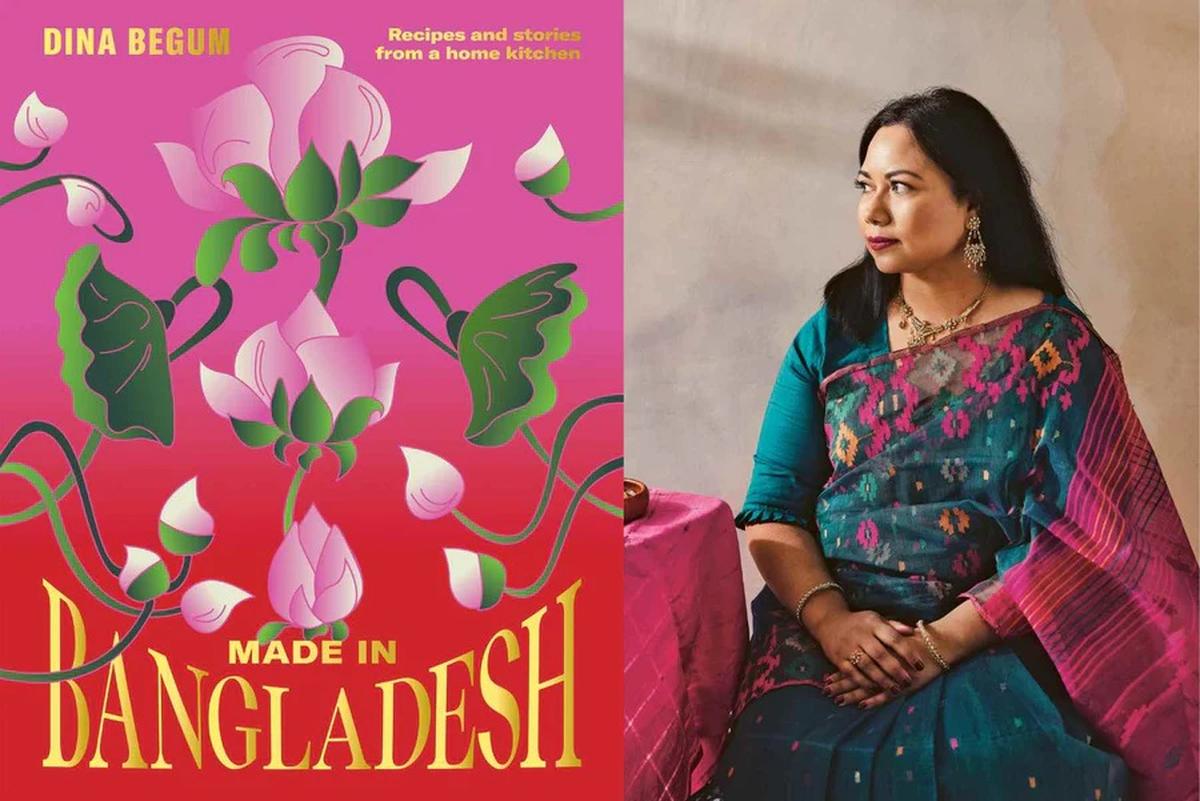
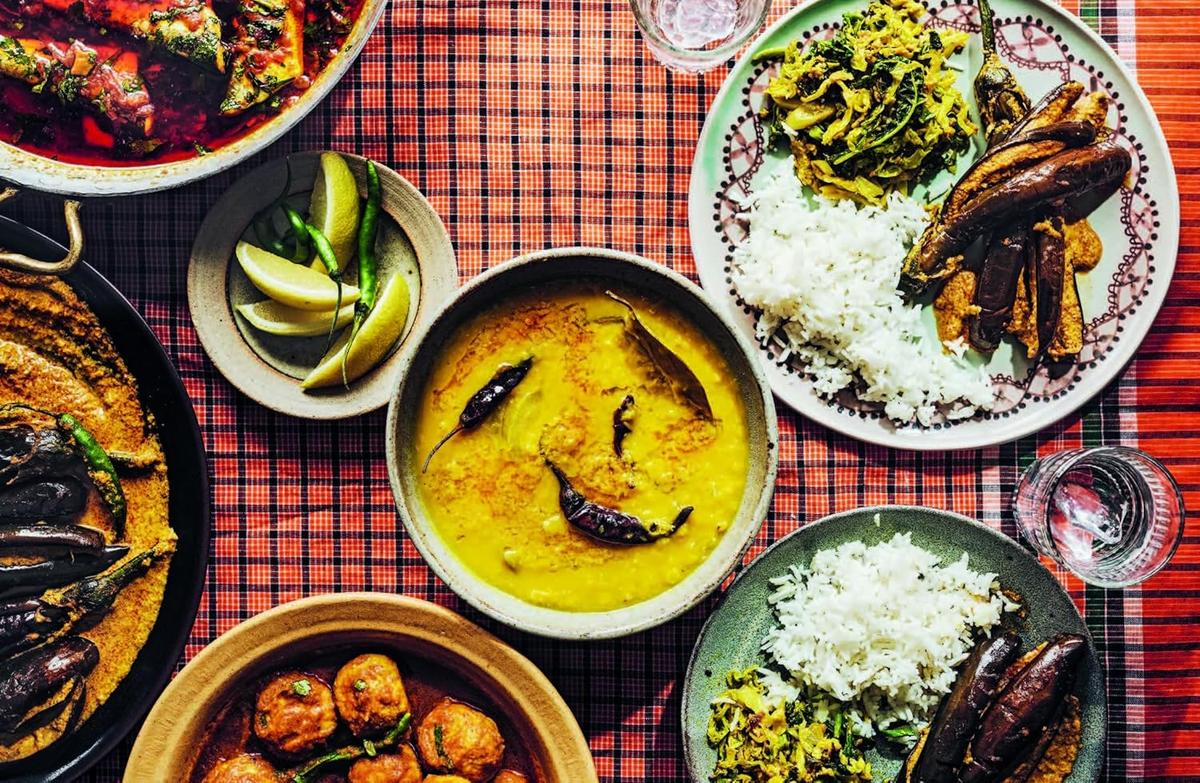
A page from Dina Begum’s cookbook Made in Bangladesh.
Season of stories
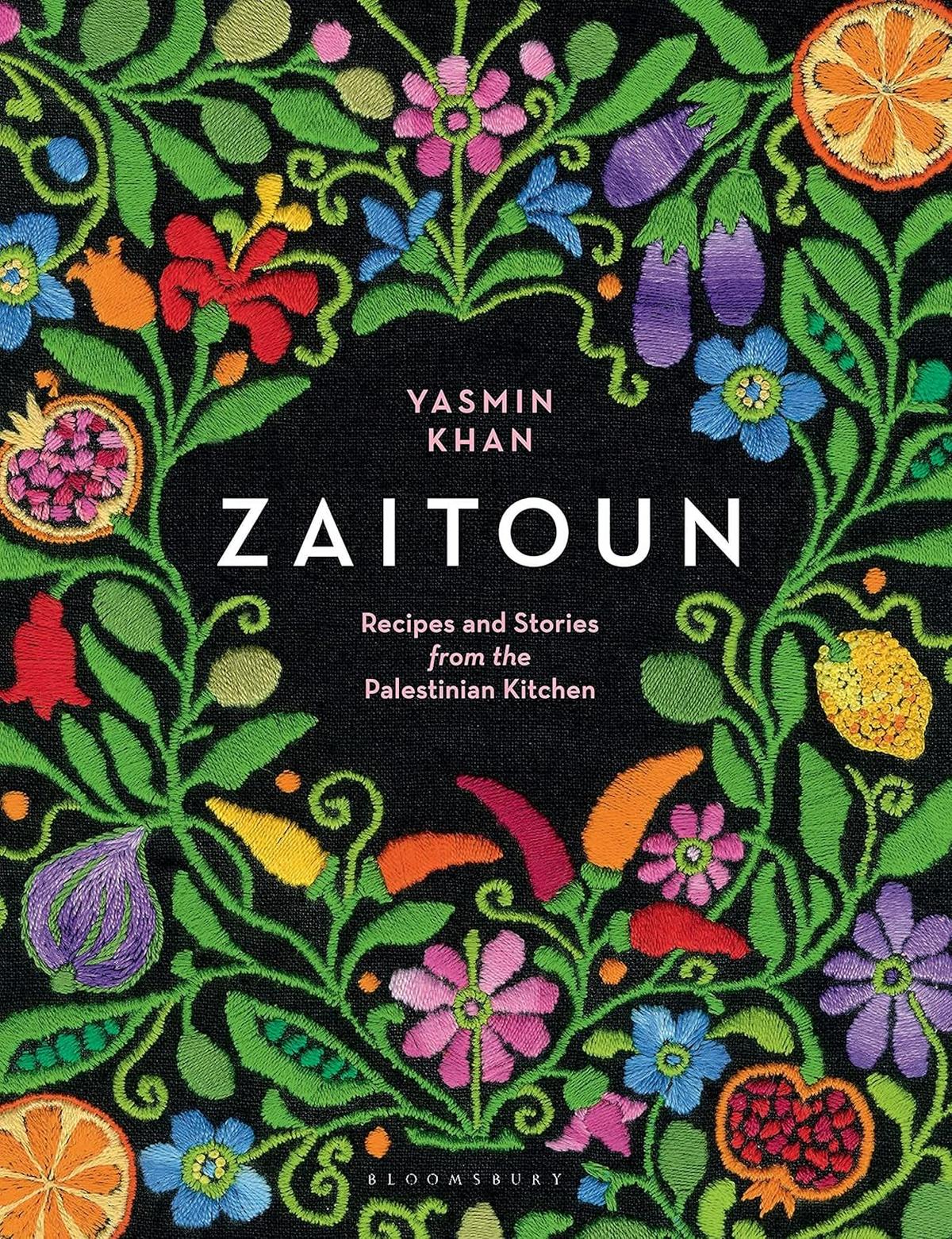
Books like Yasmin Khan Olives: Recipes and Stories from Palestinian Cuisine We mentioned that Ramadan food is also about stamina. Olive oil, lentil, flatbread, and citrus recipes to land, season, and survive.
In India, Islamic culinary history has long been preserved through scholarship and home kitchens. Salma Hussein Colors of Nemat: A Journey Through Jehangir’s Kitchen A window into Mughal court cuisine opens through a 16th-century manuscript. While the recipes speak of royal tables, Hussain places them within broader histories of Persian influence, technique, and taste that continue to shape Ramadan cooking in North Indian homes.
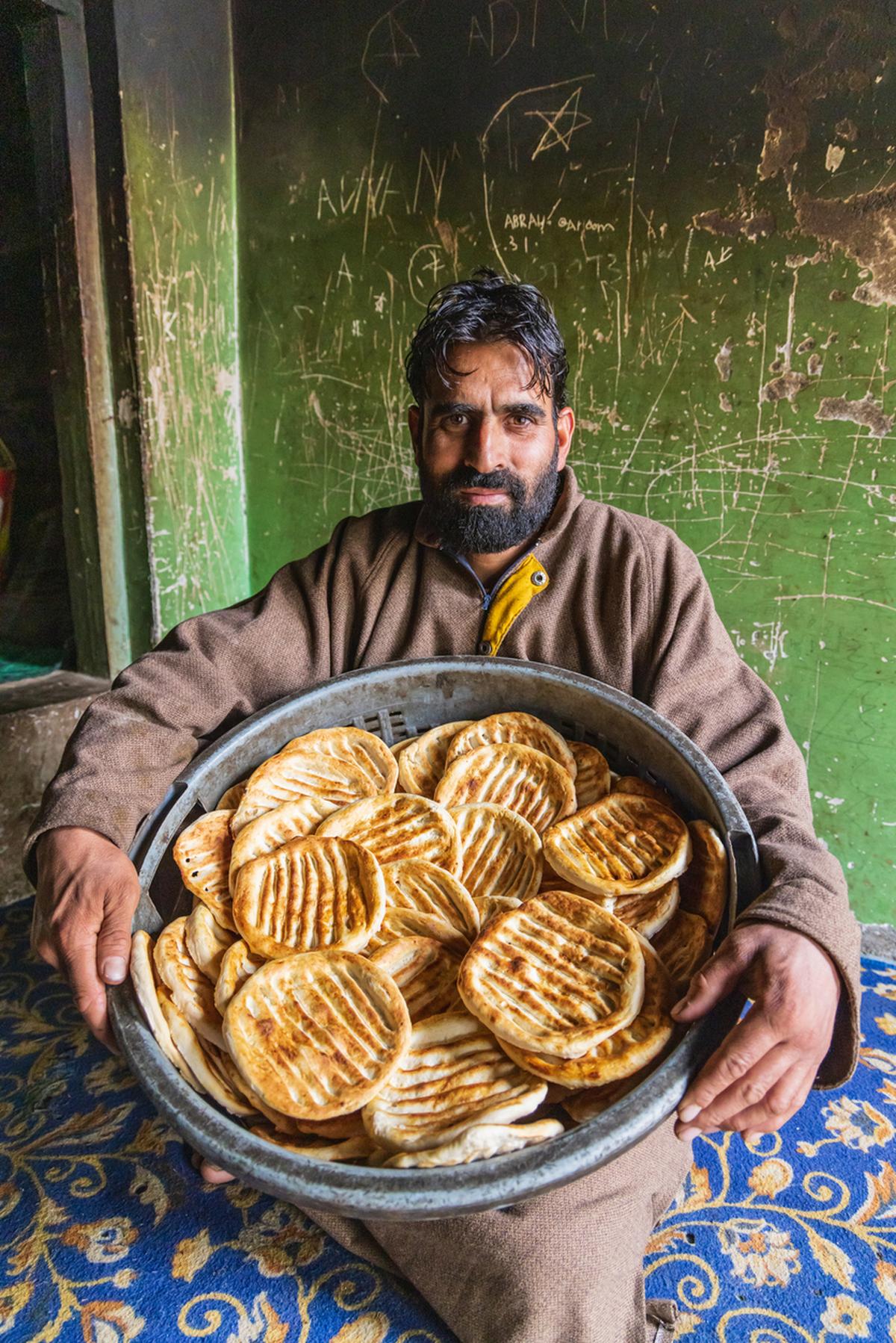
A baker serving fresh flatbread in Kashmir. | Image credit: Getty Images
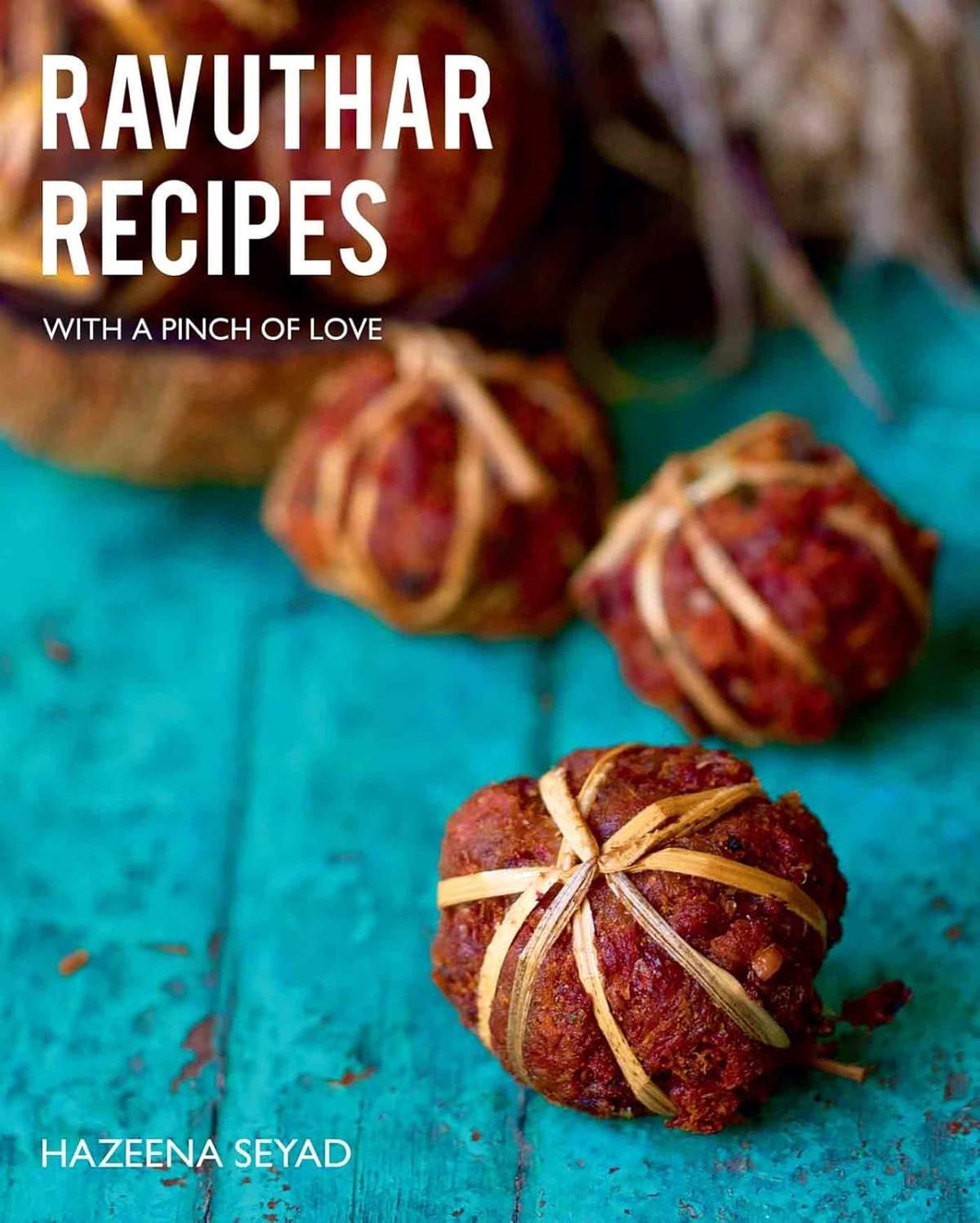
From Kashmir, Maryam H. Rishi documents ceremonial and everyday Islamic foods that are shaped by season, geography, and teamwork, while chef and writer Sadaf Hussain chronicles Awadhi cuisine with a practitioner’s eye. It has slow cooking Not angryBread and lentil dishes reflect the fasting diet as balance meals rather than providing a spectacle. And to the south, Ravothar Recipes: With a Little Love By Hazina Sayyad The Ramadan feast is evoked with abandon and joy from Tamil Nadu.
Food becomes a moral language during Ramadan. It is also a season of stories shared over warm bread and passing bowls, and in the company of those books that show us the table as a place of memory, self-restraint and gratitude.
The writer is the author of Temple Tales and the translator of Hungry Humans.