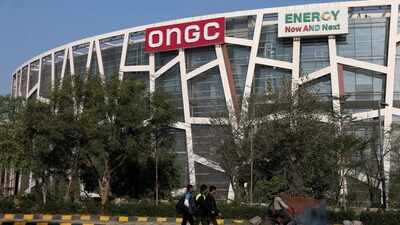
ONGC said the proposed facility, along with related infrastructure, will be developed as the first phase expansion of the existing Strategic Petroleum Reserve in Mangaluru. (Photo by Reuters)
As the world faces turmoil due to the ongoing situation in the Middle East, state-run Oil and Natural Gas Corporation (ONGC) on Friday announced that its board has given in-principle approval for the development of a 1.75 million tonne strategic petroleum reserve in Mangaluru, a move that will boost India’s capacity to store crude oil in emergency situations.As the world’s third-largest importer and consumer of crude oil, India relies on imports to meet more than 88 percent of its crude oil needs. Against the backdrop of geopolitical uncertainty and fluctuations in global oil markets, strategic oil reserves remain an essential component of the country’s energy security framework.
ONGC’s strategic oil reserves movement
In a statement to the stock exchange, the company said the proposed facility, along with related infrastructure, will be developed as a first-phase expansion of the existing strategic petroleum reserve in Mangaluru.ONGC did not disclose the cost of the project or the implementation timeline. However, it said the board had authorized the company to hold discussions with the central government on expanding the commercial use of the facility, subject to necessary regulatory approvals.India introduced the Strategic Petroleum Reserve (SPR) program to enhance the country’s energy security by maintaining emergency stocks of crude oil that can be used during supply disruptions or periods of sharp increases in global crude oil prices.
These reserves are held in addition to operational crude oil inventories held by oil marketing companies and oil refineries.Under the first phase of the programme, underground rock caverns with a total storage capacity of about 5.33 million tons were constructed in Visakhapatnam in Andhra Pradesh, Mangaluru in Karnataka, and Baddur in Karnataka. These facilities are managed by the Indian Strategic Petroleum Reserves Limited (ISPRL), a special purpose vehicle operating under the Petroleum Industry Development Board.The government also approved the second phase of the Strategic Petroleum Reserve Programme, which includes expansion of the storage facility at Badur and construction of a new strategic petroleum reserve at Chandikul in Odisha. The goal is to significantly increase India’s emergency crude oil storage capacity.