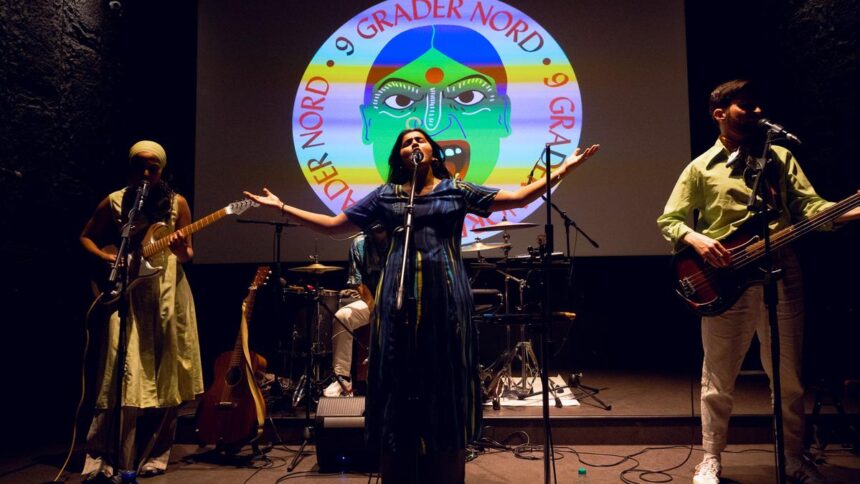
On a gorgeous January evening, 9 Grader Nord, a Tamil-Norwegian folk-rock band, graced the stage of Aura Studio, located on the rooftop of a quiet building in T Nagar, Chennai. At an intimate gathering of just 10 to 15 people, Deva Thiruchelvam, the band’s lead singer, started the show with “Hymn” in her deep voice. With her sister Meera Thiruchelvam on flute, Jacob Cecilson Hamre on percussion, and Jacob Sunesi on bass guitar, the band took no time to envelop the audience.
The audience watched in amazement and amazement as the sisters wore their diaspora clothes on their sleeves and sang their hearts out in a city where they felt not like a minority, but one in the crowd – just one person who knew the lyrics, as Diva later admitted in an interview with Hindu.
9 Grader Nord, which means 9 degrees north (coordinates of Jaffna, Sri Lanka, where the sisters’ parents are from), is a band that started in 2017. Their parents fled Sri Lanka in the 1980s during the civil war and settled in Norway, thus becoming the inspiration behind the band’s name and logo – to express grief and assert their identity. They play a range of musical styles, including Carnatic, Paella, and Tamil folk music. Using art as a tool to express displacement and patriarchy, the band has released two albums – Jaffna In 2019 and Yapanam In 2023.
The latter won the prestigious Spellemannprisen, the Norwegian equivalent of the Grammy Award, securing victory in the ceremony’s open category. Yapanam It is the non-colonial name for Jaffna, which makes their art very personal.
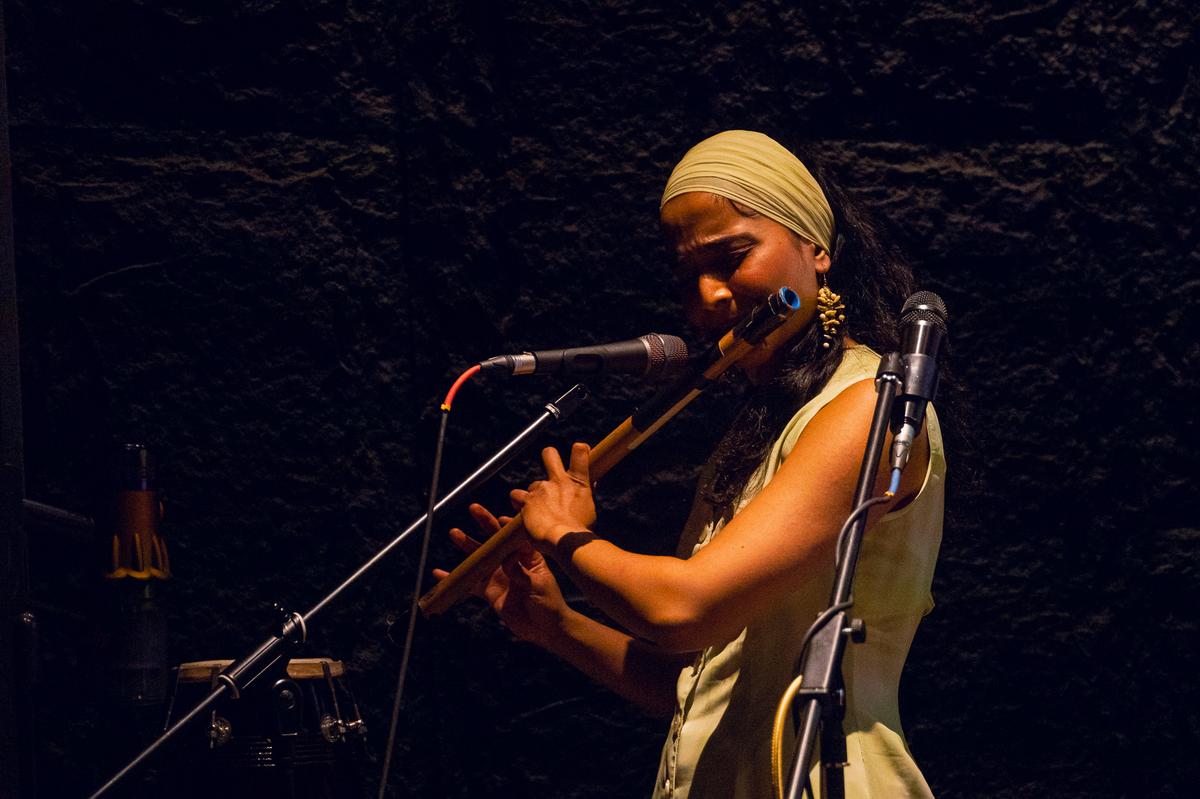
Meera Thiruchelvam | Image source: Barath
Speaking about their musical journey, Diva says that they are mostly self-taught musicians, and their father’s keen interest in the bamboo flute encouraged them to make their own music. “Our father wanted to play this instrument in Sri Lanka, but because of the war, his parents did not support him. When he came to Norway, he wanted to teach us how to play this instrument. The lack of access meant that we had to listen to CDs and copy the sheet music ourselves. That’s how we learned music.”
Agreeing with Deva, Meera adds, “I was invited to play flute or compose small pieces of flute interludes for male producers. The Tamil music industry is shaped by male imagination. I wanted to express feminine emotions through melody and lyrics. That’s how I started.”
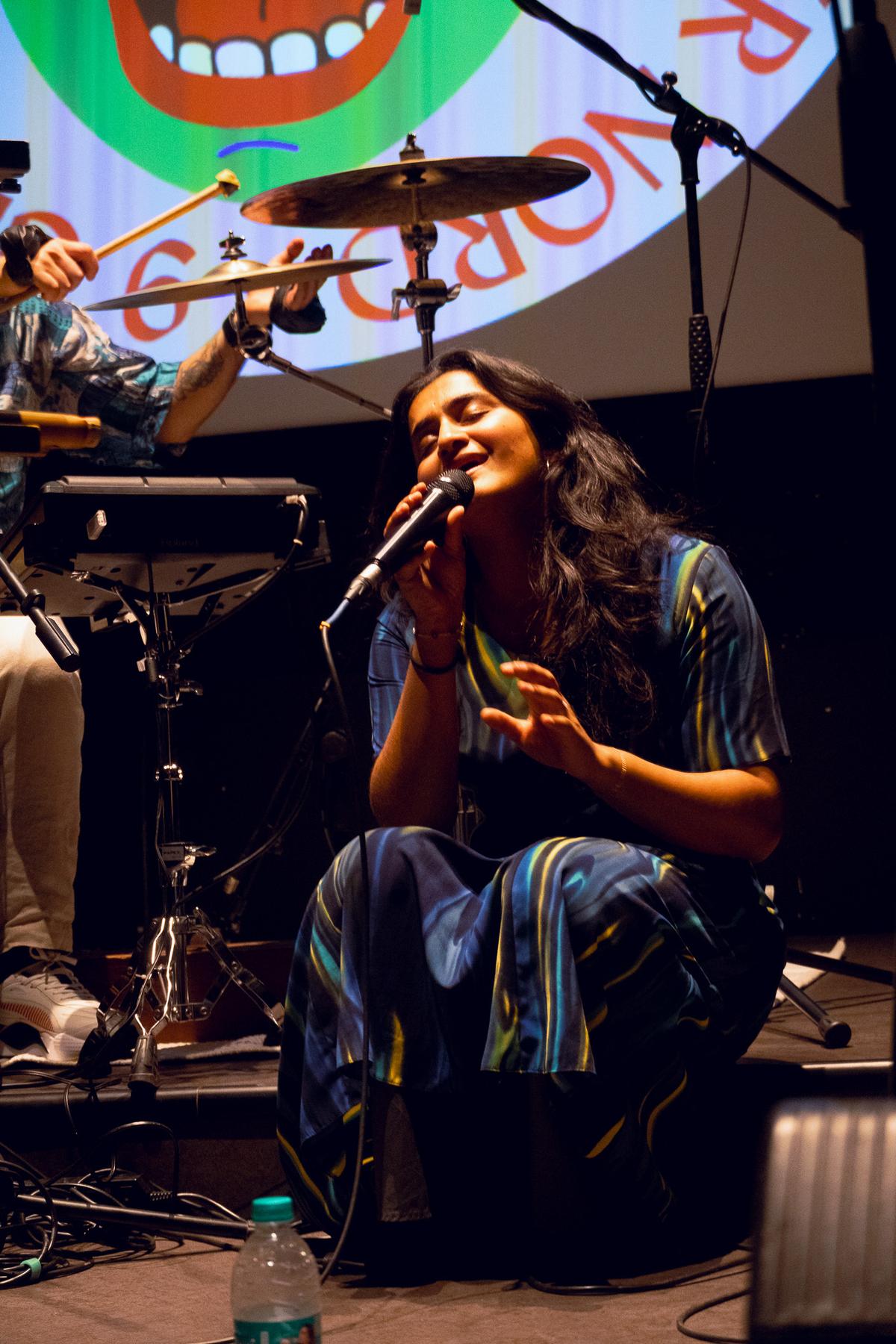
Deva Thiruchelvam | Image source: Barath
The most natural way for the sisters to express themselves is through music, and they do not view Carnatic music and rock as a fusion.
“We grew up learning Carnatic music. I think it’s also a natural result of living in Norway and trying to please Norwegians. We don’t feel like we fit in.” Meera turns to AR Rahman for inspiration. “We consider him a nostalgic Tamil musician who is also very good at fusion.”
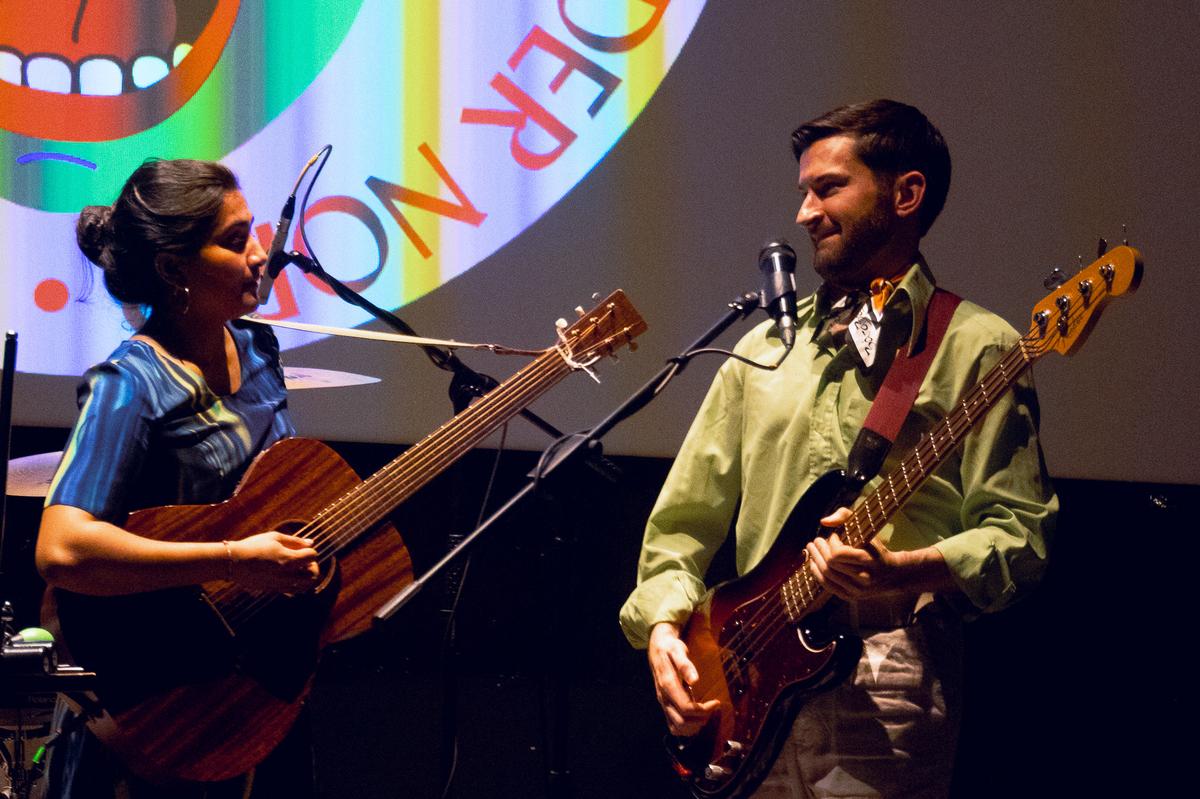
Deva Thiruchelvam and Jacob Sunesi | Image source: Barath
when Jaffna Produced and performed on stage, the feeling of displacement was more difficult than expected. On stage in Norway when the band performed Adayalam – A song about identity, the longing to belong, and the loneliness of being a minority – Mira choked up and couldn’t find the words, because it was too personal for her, says Diva. “We sing about our culture and we are appreciated. We try to keep up with both cultures.”
They sing in their mother tongue, Fibo He embodies the experience of arriving in a new country, and with this initial hope, he unwittingly becomes vulnerable to systematic oppression. The tension between assimilation and inheritance runs through their music, especially in song Fidopoin which young girls discover their identities while trying to find a place in both cultures. In the same way, Victoria It is about empowering women, and encouraging women to strive for a place in society.
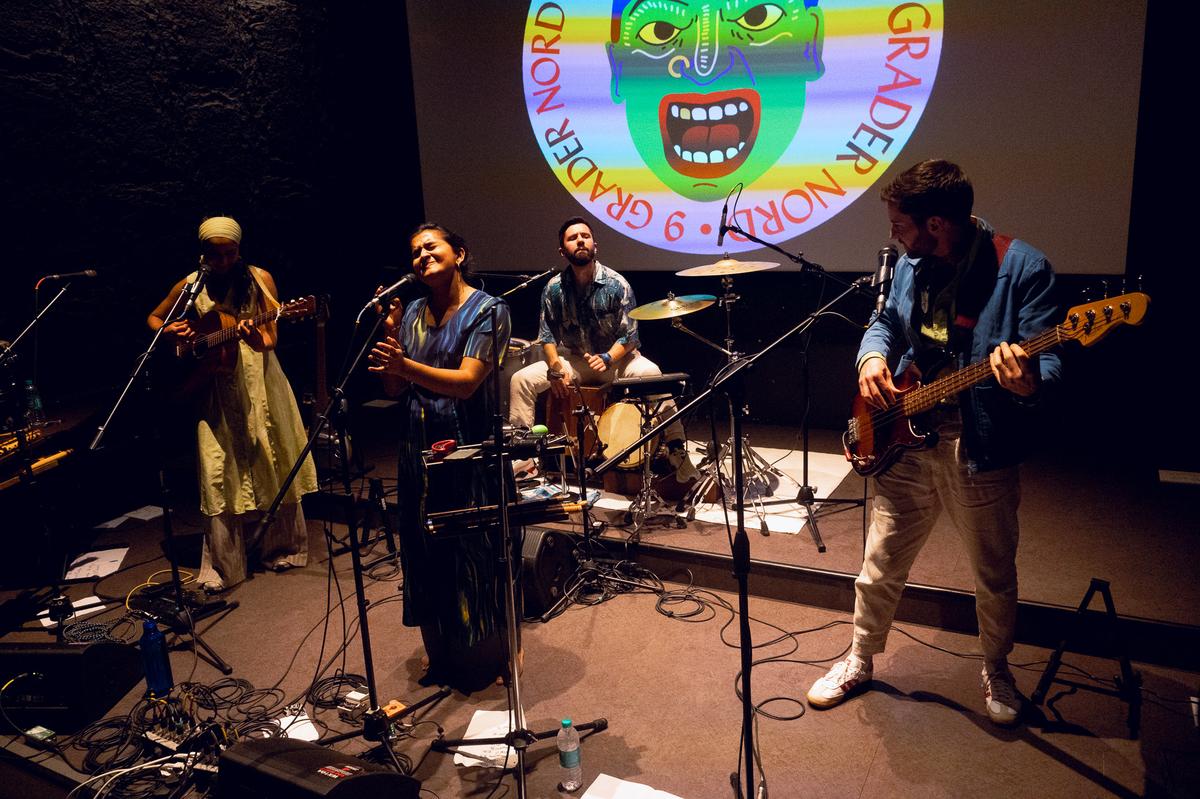
band | Image source: Barath
Press to fit
Meera says there is still a struggle to find enough balance between being Tamil and Norwegian. “Adapting to Norway and not forgetting where we came from and what our parents went through…it’s a double process,” says Mira. She adds that her sister is a pillar of support.
However, the fear of bleaching is prevalent and persists. “We live in a predominantly white city, and we are very clearly a minority,” she adds. “When I was younger, we were trying to be as white as possible – straightening our hair and so on. We were trying to suppress our Tamil roots. It was important not to chase after trying to fit in.” The sisters recall how when deciding whether to wear saris on their Chennai tour, they ultimately chose to wear kurtis. For once, they didn’t feel the need to represent themselves through clothing, and the idea of being a “visual minority” took a back seat.
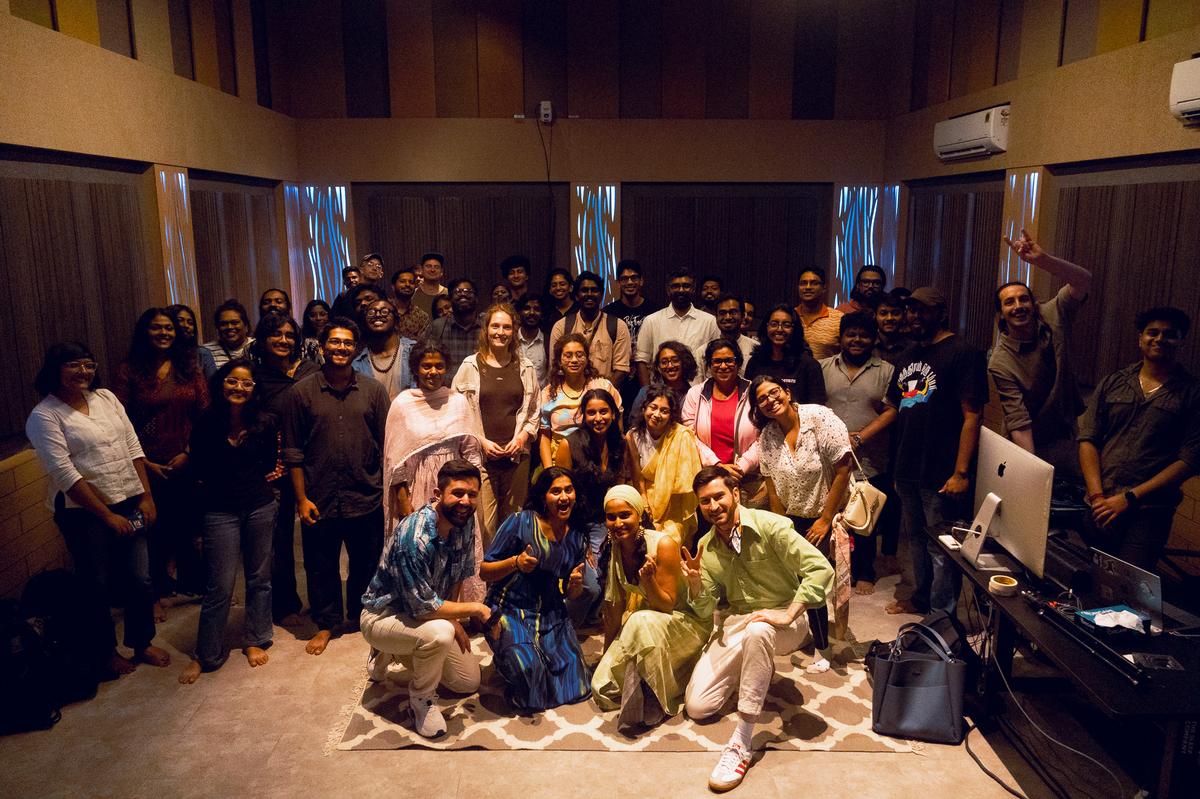
The band with the audience. | Image source: Barath
With people discovering new music through Instagram via just a 30-second video, Dipha says the band is discovering a new path and remaining optimistic. “We did a full music video for Victoria. Meera runs on the mountain wearing a sari and swims in the ocean. And then in the following videos, we realized that no one cared. For the last song FidopoWe made three reels. We realized that people scroll this way. And then if they like it, maybe they’ll watch it for a minute.
Playing to a Tamil audience
When the show started, Deva innocently asked if the audience understood Tamil. When the response was a loud yes, a sparkle of happiness appeared on the band’s faces. “It was a surreal situation. To sing and then see people in the audience understanding the lyrics. When we sing in Norway, people don’t know the lyrics. I’ve never played for people who understand what we’re singing. It’s crazy to be able to tell jokes. Half my Tamil repertoire is just a joke. And to tell a joke and make people laugh in a room… that was the best feeling for me.”
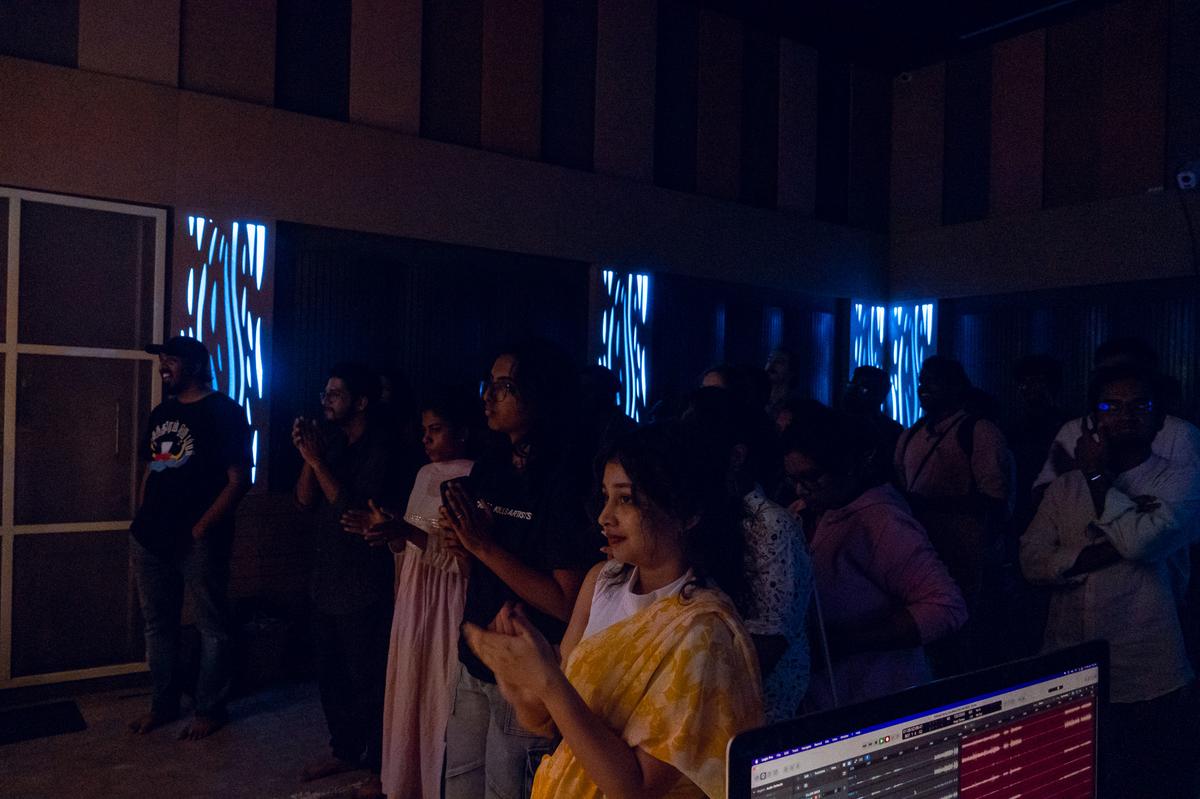
Show to the public. | Image source: Barath
This marks their first tour of India. The sisters said during their set that playing in Chennai has been a long-time dream. When asked when they will be back and what the next album is, Diva smiled and said look, and Mira agreed.





![korean-style-spicy-tofu-and-fried-brussels-sprouts-[vegetarian]-–-one-green-planet](https://globalindiabroadcastnews.com/wp-content/uploads/2026/02/21036-korean-style-spicy-tofu-and-fried-brussels-sprouts-vegetarian-one-green-planet-300x200.jpg "korean-style-spicy-tofu-and-fried-brussels-sprouts-vegetarian--one-green-planet | GIBN")