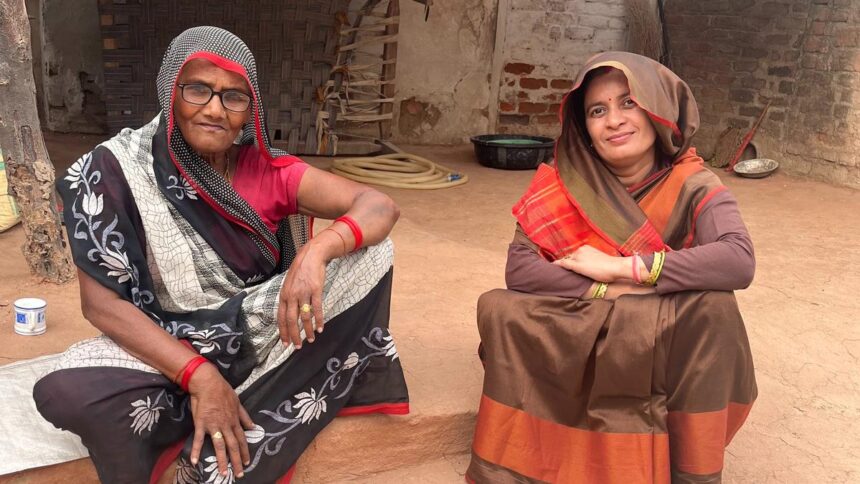
Netradeepa Patel, an ASHA worker from Kolhapur, looks at 52-year-old Haseena Atar as her daughter who brought her back to life. In 2019, when Atar lost her entire family within a year, she fell into depression. Patel and two other colleagues, trained in mental health awareness, stepped in. They spoke with Atar, visiting her regularly, cleaning her house, bringing food, and making sure she took her medications on time.
Today, Atar has largely regained her health and independence, thanks to three ASHA workers who went above and beyond the call of duty.
Such stories reveal the emotional labor performed daily by India’s 10.4 lakh certified social health activists. Although a volunteer workforce, ASHAs are often the first point of contact in rural health care. They combine maternal and child health, immunization, tuberculosis surveillance, non-communicable disease investigations, record-keeping (online and offline), and countless other tasks. Their meager monthly salaries, which vary by state – from INR 6,400 in Madhya Pradesh to INR 13,000 in Maharashtra, are often delayed.
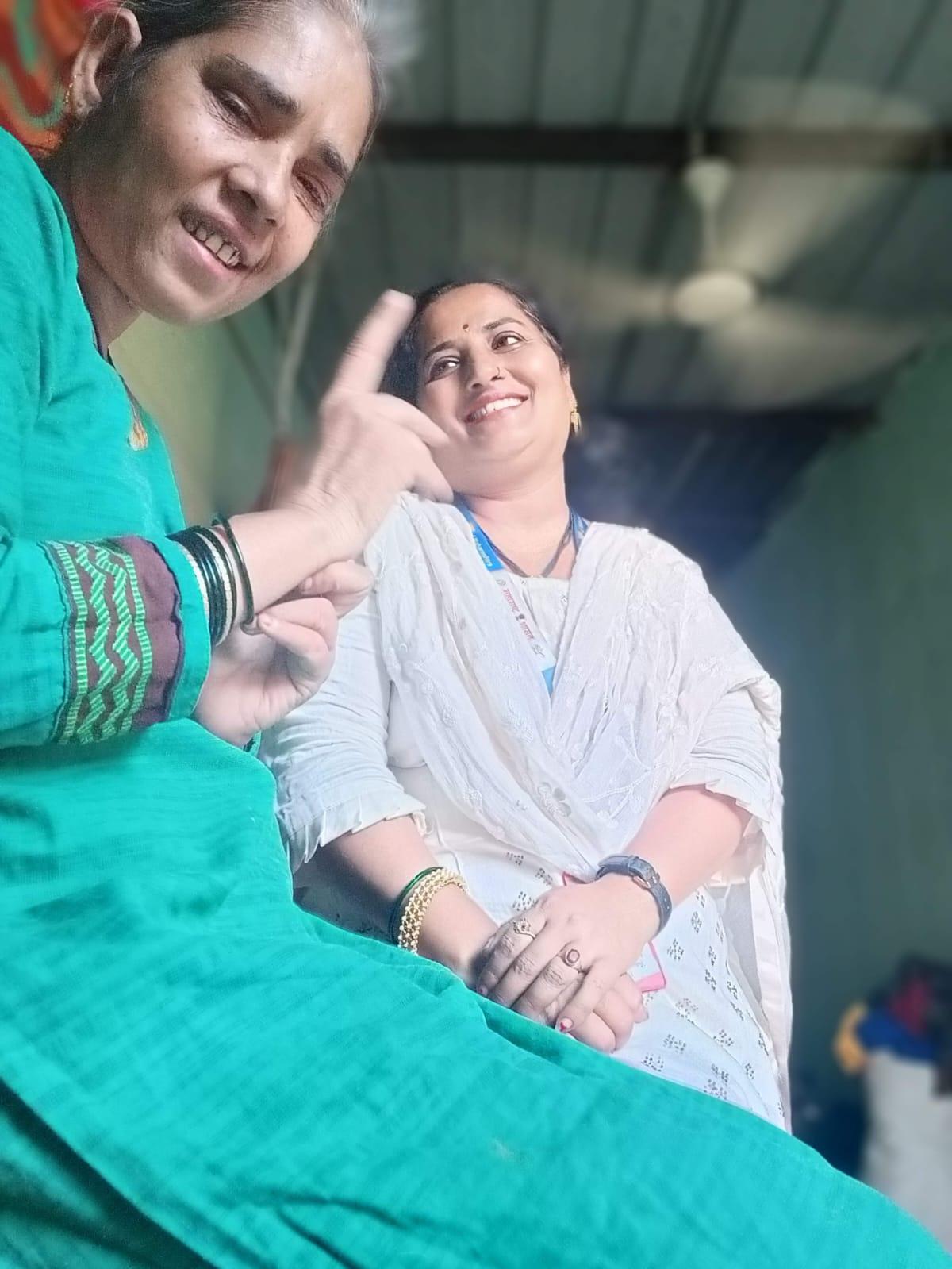
Kolhapur resident Haseena Atar (left) with Netradeepa Patel, the ASHA worker who nursed her back to health. | Image source: Courtesy Netradipa Patel
Recently, in some areas, ASHAs have taken on the function of “mental health gatekeepers” under government and NGO programmes. The National Health Mission (NHM) has begun integrating mental health modules into ASHA training nationwide. ASHAs are required to counsel teens, identify depression, anxiety and suicide risks, and create critical awareness even when they themselves remain overburdened and underpaid.
Distress calls
More than 56 million Indians live with depression and 38 million suffer from anxiety disorders. The National Crime Records Bureau recorded 1,71,418 suicides in 2023. Despite the Mental Health Care Act 2017 decriminalizing suicide, mental health support in rural areas remains limited and often riddled with stigma. This is where ASHAs come in, with their deep-rooted community knowledge. “Specialized training is provided in areas where mental health issues are more prevalent. ASHAs are able to handle this training because they understand their community well, which gives them an advantage,” says Mohammed. Sadiq Khan, trainer at National Health Systems Resource Center in Jammu and Kashmir.
At Nimhans, Bengaluru, Dr. Anish V. Cherian Project Suraksha, a community-based suicide prevention initiative in nearby Channapatna taluk. NIMHANS has trained more than 1,000 ASHAs and Anganwadi workers to raise awareness about suicide, identify people at risk, “reduce access to methods such as pesticides and alcohol,” and link them to mental health care options. “We have already identified more than 800 cases of suicide attempts, many of them through ASHAs. Suicide is rarely impulsive, so identifying suicide attempters and providing timely interventions is key,” says Dr Cherian.
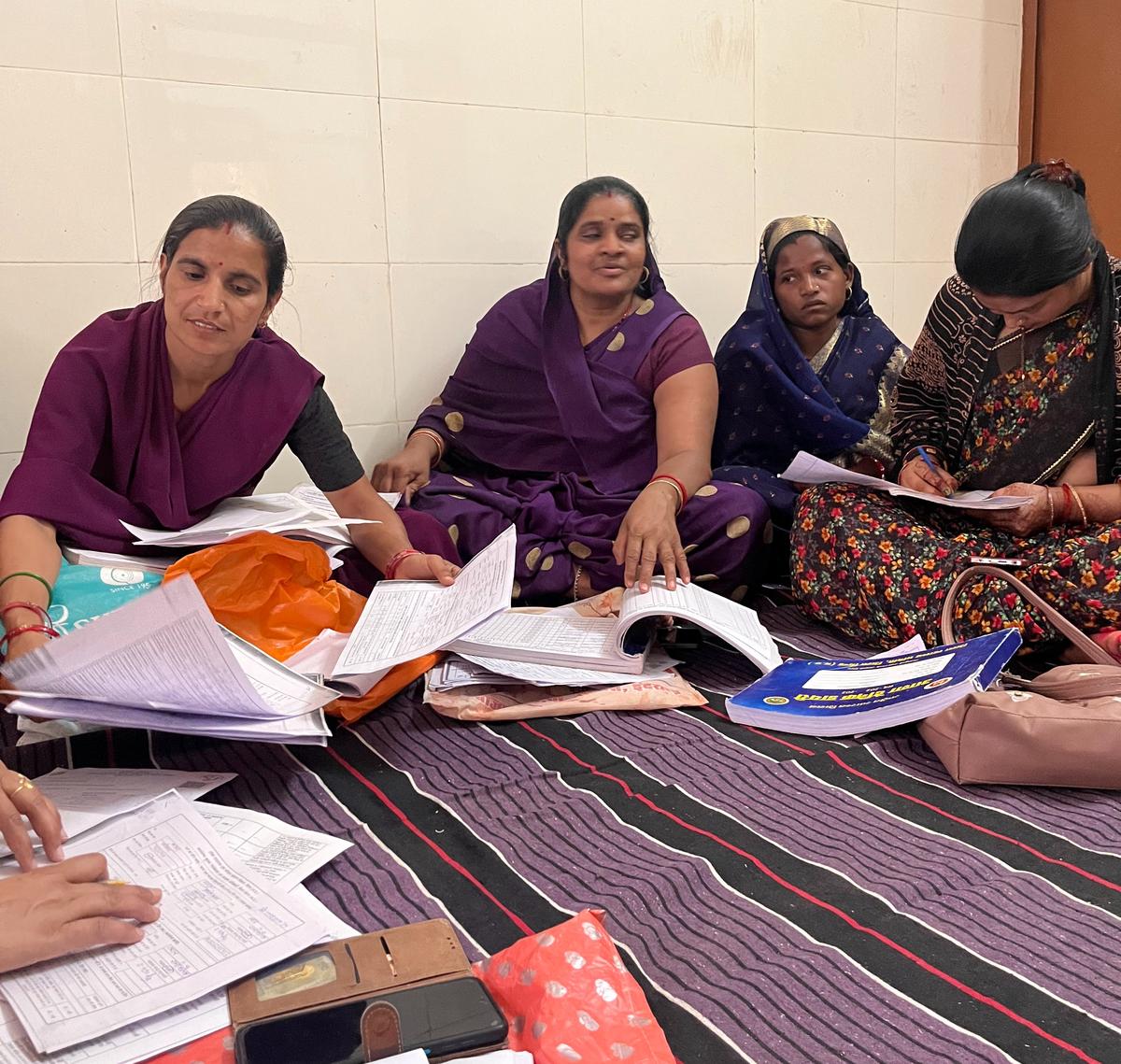
ASHA workers do paperwork in Dabho, Madhya Pradesh. | Image source: Reshmi Chakraborty
Anusuya Lokesh now recognizes symptoms such as hallucinations, anxiety, excessive anger and insomnia as possible signs of mental illness. This can be attributed to earlier superstitious beliefs. “Now we know this is brain chemistry. There is no shame, treatment is possible,” says an ASHA worker from Rampura, Channapatna.
In Madhya Pradesh, 14,570 ASHA assistants have been trained in mental health, neurological and substance abuse disorders since 2020, says Dr Prabhakar Tiwari, senior joint director of the National Health Mission. Although there is no data yet, mental health clinics in the state are showing evidence that this outreach initiative is “spreading to rural areas,” he says.

For most ASHAs, mental health is a new field. “I didn’t know we could talk and make someone feel better,” says Sita Shourie, an ASHA member from Narmadapuram, who was trained by Sangath, a mental health non-profit that works with the Madhya Pradesh government. Since 2019, around 5,000 ASHA assistants have been trained in several districts, says Dr Anant Bhan, principal researcher at Sangath. The organization pays ASHAs a small amount for their work.
Shuri and her peers screen pregnant and postpartum women using the PHQ-9, a question-based depression checklist. “Building trust is essential,” she says. “We visit them often, share songs or books to improve their mood, and talk about our struggles too so that they open up.” Even then, it’s not always easy. “Once, our mother-in-law picked up a stick to threaten us when we tried to counsel her young daughter-in-law,” recalls Deepti Dubey, a research assistant at Sangath. “ASHAs calmly explained the situation and eventually gained their trust.”
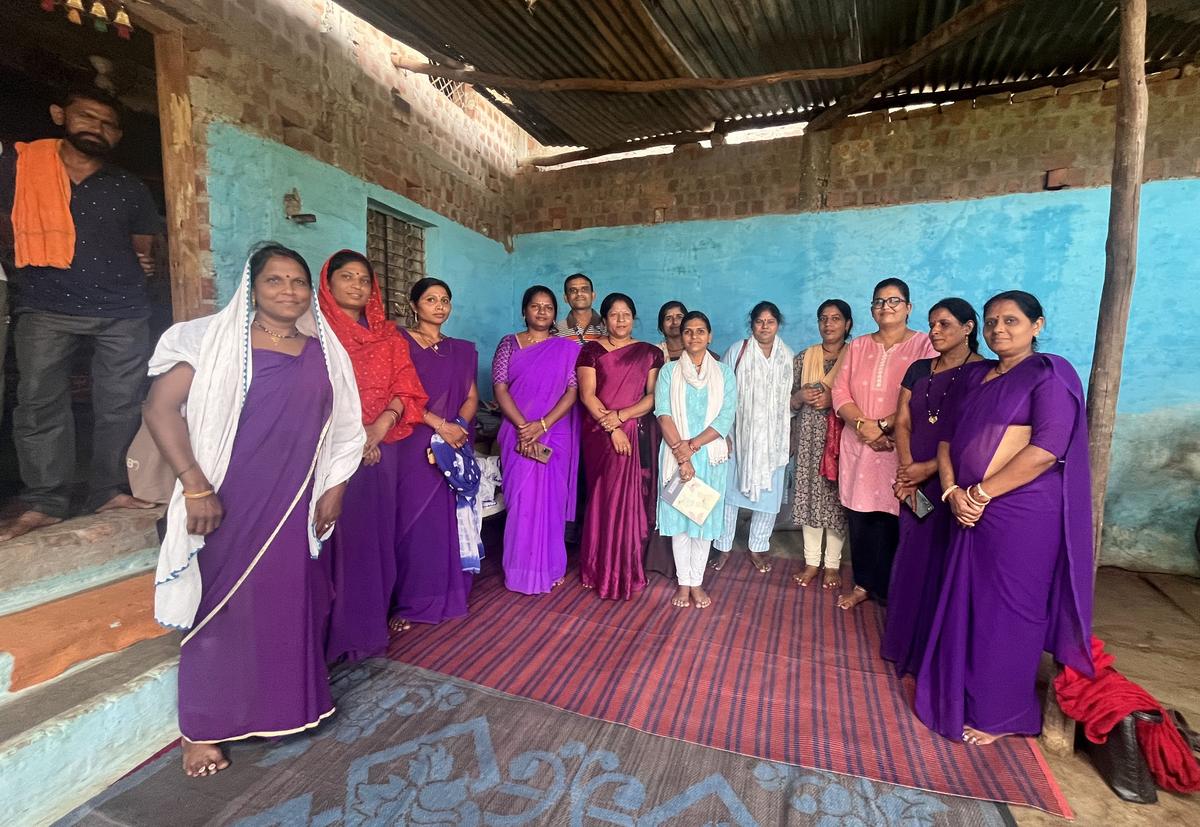
ASHA workers (in purple) from Narmadapuram, Madhya Pradesh, with mental health trainers from Sangath. | Image source: Reshmi Chakraborty
In some cases, mental health training is routine at best. “Our online mental health training lasted only for the afternoon,” says Lakshmi Kaurav, an ASHA supervisor and union president from Dabho in Madhya Pradesh. “The book was full of English medical terms. I had to ask them to repeat it and even Google some of the terms.” As such, Lakshmi is concerned about the use of ASHAs to survey mental health in rural areas. “We’re expected to notice when someone is in distress and take steps to prevent suicide. It’s a big responsibility. But we don’t get paid for that,” she adds.
Is self-help the best help?
While they are expected to care for others with little or no financial benefit, the greater irony is that the emotional distress faced by ASHAs often goes unnoticed. As the lowest rung of the healthcare continuum, they hardly receive any self-care support. Some nonprofit organizations are now beginning to address this gap.
The Resilience Collaborative (TRC) of the George Institute for Global Health in New Delhi partners with healthcare workers to improve their well-being. ASHAs face pressures such as having to be constantly available, for example, says program director Varadharajan Srinivasan. “ASHA assesses individuals for mental health issues and allows referrals, but there is no set incentive, which is definitely a sore point,” he says.
TRC is now co-designing a digital wellbeing tool with ASHAs in Gorakhpur, Uttar Pradesh. Hemlata George, an ASHA from Indore, helped test an earlier TRC app that included videos for psychoeducation, meditation and yoga. “It was easy to understand, especially the videos from influencers talking about mental health. They felt more connected,” she says.
While working on self-care tools with ASHAs across regions, Vardharajan discovered that many of these women had their own self-care methods. While some find strength in spiritual practices or outings with friends, others find comfort in their family members. Many also find purpose in their work even if it is challenging because it gives them a sense of power.
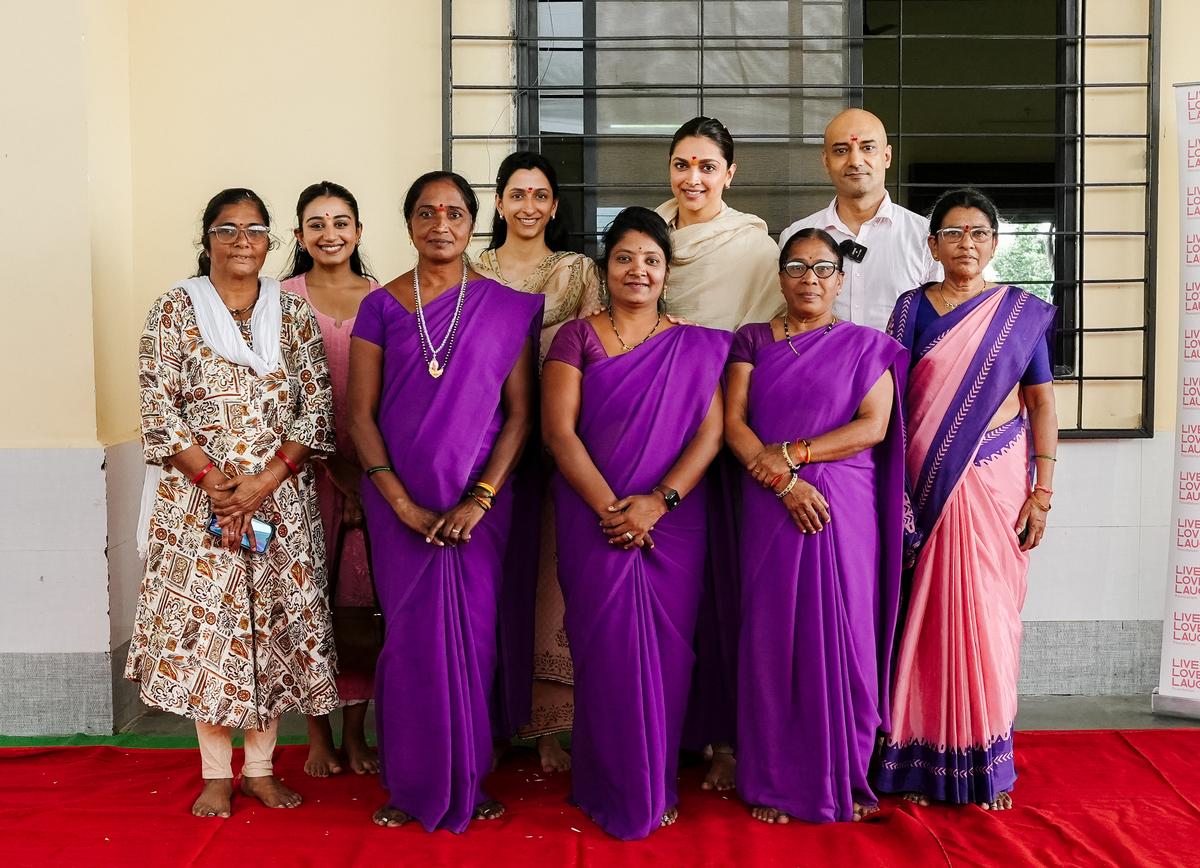
ASHA workers with Live Love Laugh Foundation’s Anisha Padukone (back row, center) and her sister, actress Deepika Padukone, in Chindwara, Madhya Pradesh. | Image source: Live Love Laugh Foundation
Positive recognition, respect and social appreciation enhance the morale and self-worth of ASHA workers. “We value ASHAs’ contributions, and organize events to celebrate their work,” says Anisha Padukone of Bengaluru-based Live Love Laugh Foundation, which has engaged ASHAs in its rural community mental health program since 2016. “Through support group meetings and training sessions, we constantly motivate and encourage them.”
NIMHANS’ Suraksha Project also provides stress management and self-care training to community health workers on a need basis.
In Madhya Pradesh, Sangath has piloted SAMBHAV, a self-guided mental health app based on the WHO self-care model, among 40 ASHAs in Sehore district in 2022-23. “We hope that the government will integrate these lessons learned into regular programs and build incentives for ongoing activities, ensuring continued provision of mental health support,” says Dr. Bhan.
Although she is grateful for such interventions, Hemlata says true mental health depends on fair pay and stability. Last year, after waiting for three months, she got an incentive of INR 4,200 in September. It was less than half its usual earnings. “Last Diwali, some ASHAs couldn’t even buy new clothes for their children,” she says. “In mental health training, we learn to keep our minds healthy so that we can help others. But how can we stay healthy when our situation is so precarious?”
(Help for overcoming suicidal thoughts is available on our 24/7 helplines: KIRAN 1800-599-0019 and Aasra 9820466726)
The writer is a freelance journalist and co-author of Rethinking aging.