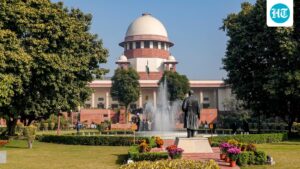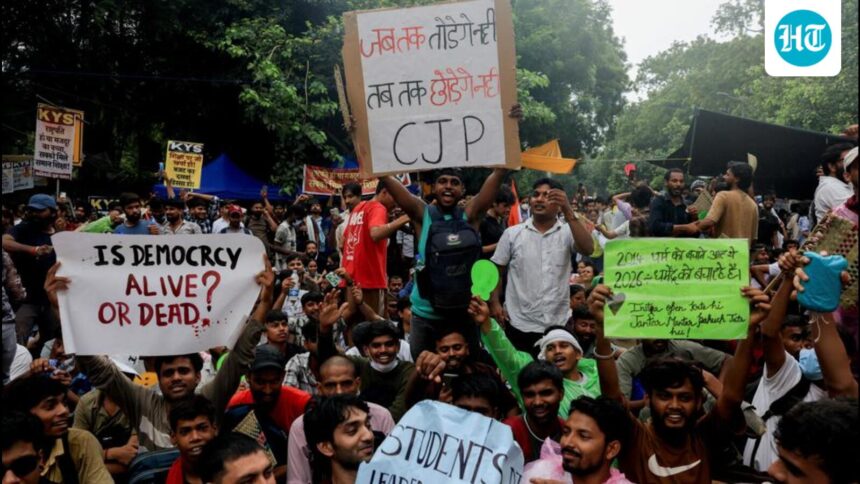
Hours after Chief Justice of India (CJI) Surya Kant clarified in open court that no petition had been filed in the Supreme Court over alleged police excesses during the July 20 crackdown on student protesters in the national capital, the court on Friday agreed to hear two newly filed petitions on the issue on Monday (July 27).
The development came in the afternoon when senior advocate Gopal Sankaranarayanan mentioned the two petitions before an ICC-led bench, saying they have now been formally filed and allotted diary numbers. “There are two petitions dealing with the violence that occurred across the country during the student protest,” Sankaranarayanan told the court. He said the petitions were not mentioned earlier because they were waiting for the warrant numbers. “We have warrant numbers and properly filed petitions. The states are parties to them.”
“Let him be included in the list; we will entertain,” the CJI replied.
Sankaranarayanan called for an early hearing and said there was continued urgency. “This happens on a daily basis. The police use excessive force against children. It continues unabated. Some controls are necessary. The court stands between us and the police.”
The CJI directed that the petitions be listed on Monday.
The list came after the CJI, earlier in the day, strongly criticized reports that the Supreme Court had refused to entertain appeals over the action taken by the police on July 20, saying no writ petition had been filed before the court till then.
The issue came to light when senior advocate Shoaib Alam mentioned an unrelated matter and requested an urgent hearing.
Referring to media reports alleging that the Supreme Court had refused to hear a petition over the July 20 crackdown, the ICJ said it had checked its records and found that no writ petition had been filed.
“It happened recently that nothing was submitted and the matter was mentioned before us…I have checked the record, not a single page was submitted to the Supreme Court,” the CJI observed.
He added that what reached the court was nothing but a representation. “It was one representation… sent by Mishra or someone. How can I treat the representation as a writ petition? And people started rashly reporting this,” observed the IJC, sitting with Justices Joymalia Bagchi and V Mohana.
Expressing concern over the report, the CJI said: “In the last two days, a completely false statement has been made that a case has been filed and the media is completely devoid of any responsibility, recklessly spreading false reports that the Chief Justice has refused to list the matter. Till 10 am, not a single page has been filed.”
The notes referred to Wednesday’s proceedings, when the Supreme Court refused to entertain an oral request by advocate Narendra Mishra seeking suo motu cognizance of alleged police brutality during the July 20 Parliament rally organized by the Cockroach Janata Party (CJP).
Mishra relied on a petition letter addressed to the CJI and urged the court to examine the videos that allegedly showed police personnel assaulting protesters. The authority rejected the request, stating that it was “not interested in the video clips” and no petition was submitted.
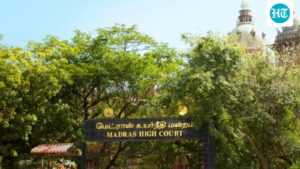
The Delhi High Court has directed authorities to retain CCTV footage, video and other records related to police actions while seeking responses from the Center and Delhi Police on petitions challenging the crackdown. The case is scheduled to be heard on September 11.
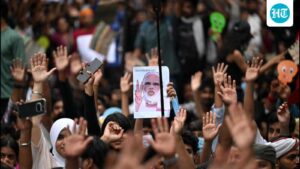
The July 20 march, called after weeks of protests and hunger strike at Jantar Mantar, saw thousands of demonstrators trying to march towards Parliament demanding the resignation of Union Education Minister Dharmendra Pradhan over alleged leaks of examination papers and reforms to the examination system.
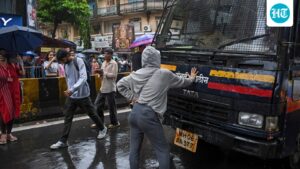
When protesters tried to cross several barricades in central Delhi, police used tear gas and machinery to disperse the crowd. Videos circulating on social media appear to show protesters being assaulted, while Delhi Police confirmed that force became necessary after protesters turned violent and resorted to stone-throwing.
Legal developments coincided with the clashes with the protesters. After activist Sonam Wangchuk ended his 26-day hunger strike following assurances from Union Ministers JP Nadda and Jitendra Singh, an RJD delegation met them on Friday. The organization reiterated that its nationwide agitation will continue until its key demands are met, including Pradhan’s resignation, withdrawal of cases against protesters, and broader screening reforms.