In the 18th century, Mfalmi Fatima, queen of Kilwa State, located on an island off the coast of East Africa in present-day Tanzania, wrote a series of letters to Mwini Juma, a Swahili spy in Mombasa (Kenya) working for the Portuguese. The correspondence coincided with political unrest involving Swahili, Omani and Portuguese. The Omanis challenged Portuguese control over the region, which lasted from the sixteenth to the eighteenth centuries.

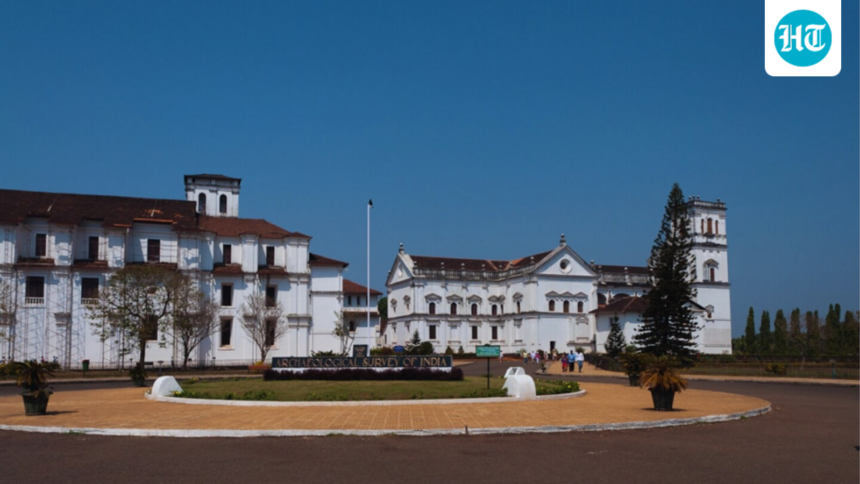
The Fatima Letters, which relate to a key phase of East African history, are among more than 31,000 documents and manuscripts at the Goa State Archives, the oldest in India, that were scanned as part of the Goa Manuscripts Mission.
Director of Goa Archives, Balaji Shenvi, said they launched their survey about three months ago and have since scanned over 31,000 manuscripts and materials with the help of Goa State Library, Goa State Museum and Goa University. He added that the documents include the Fatima Letters, which are believed to be the oldest written records of the Swahili language dating back 300 years. “We have also been able to secure the private collection of Sanskrit scriptures and other writings dating back to the early 19th century.”
The Kundaikars, a landowning family from Ponda in Goa, donated the Sanskrit texts, Shenvi said. There is also a palm-leaf inscription of the Ramayana in Tamil among the documents in the Goa State Archives.
In 2026, the Union Ministry of Culture launched the National Manuscript Survey under the Gyan Bharatam Mission to preserve and digitize manuscripts across the country. According to the ministry’s website, the survey aims to discover and map manuscripts across India for preservation, research and digitization.
The Goa Archives Department hopes to leverage the advantage as the country’s oldest archives to make a strong impression under the Gyan Bharatam Mission, officials said.
In 1595, the Portuguese colonists established the Goa Archives as “Torre do Tombo do Estado da India” or the General Archive of the State of India. It contains government records dating back to the sixteenth century. The oldest record in the archives dates back to 1498, when explorer Vasco da Gama arrived in Calicut (Kozhikode) on the Malabar Coast (Kerala) after circumnavigating the Cape of Good Hope (South Africa).
Most of the records in the archive are in Portuguese and Marathi. Other documents include those written in Sanskrit, Persian, English, French, Vietnamese and Kannada.
Under the Gyan Bharatam mission, documents are indexed with metadata to maintain authenticity and traceability of the source. Digital copies are stored in a secure digital repository for instant access for research etc. The mission also envisages data security and cloud backup with disaster recovery systems.